The marketing industry is experiencing a period of unprecedented transformation, with a significant 70% of marketers indicating that the last three years have brought about more change than the preceding five decades. This rapid evolution necessitates a corresponding adaptation within marketing automation platforms. Pardot, a long-standing player in the B2B marketing technology space, is facing increasing scrutiny due to a perceived lack of development, prompting many businesses to explore alternative solutions. This shift raises critical questions about the drivers behind these migrations, the platforms gaining traction, and the best practices for a successful transition.
The impetus for businesses seeking alternatives to Pardot, now officially rebranded as Marketing Cloud Account Engagement, stems from a confluence of factors, primarily centered on concerns about its future viability and persistent technical limitations. Tom Ryan, a seasoned Pardot consultant and founder of MarCloud, a firm that has transitioned from specializing in Pardot to becoming a Diamond Solutions Partner with HubSpot, observes a palpable apprehension among users regarding the platform’s potential discontinuation.
"There’s no active development on the platform," Ryan stated, highlighting a key concern that fuels the migration trend. "There’s a clear migration path being offered, which suggests an eventual sunsetting. It feels like a question of ‘when,’ not ‘if.’" This sentiment is echoed by numerous businesses who perceive a lack of innovation as a significant risk to their long-term marketing strategy.
Beyond the existential concerns, users consistently cite revenue attribution and reporting as persistent pain points. Ryan elaborates, "Revenue attribution is incredibly difficult if you do not know how to do it. Users need to wrestle with the Pardot-Salesforce sync." This complexity often requires specialized expertise, creating a barrier to entry for many marketing teams. Reporting capabilities are also a frequent subject of criticism, with the platform offering limited customization. "The reports are not customizable in Pardot, and therefore, people cannot get the reports they need. Clear reporting in general is very difficult for people to achieve without consultant-level knowledge," Ryan explained. This lack of flexibility can hinder data-driven decision-making and campaign optimization.

The Rise of HubSpot and Other Competitors
In light of these challenges, HubSpot has emerged as a dominant destination for businesses migrating from Pardot. Ryan notes, "Pardot to HubSpot makes the most sense. There’s a lot of architectural similarities between Pardot and HubSpot via the connector. So, there’s a familiarity there, and you get so much more." This perceived similarity in architecture, coupled with a broader feature set, makes HubSpot an attractive and logical successor for many organizations.
The decision to migrate is rarely taken lightly. Businesses are increasingly conducting comprehensive reviews of their entire marketing technology stack, prompted by the need to adapt to evolving market demands and the strategic decisions made by major vendors like Salesforce.
Evaluating Pardot Alternatives for B2B Success
When considering a move from Pardot, B2B teams must meticulously evaluate potential alternatives across several key criteria:
- CRM Integration: The seamless integration with Customer Relationship Management (CRM) systems is paramount. Platforms that offer native CRM capabilities or robust, bi-directional syncs with existing CRM solutions are highly desirable. This is particularly relevant for businesses considering a move away from Salesforce entirely.
- Automation Capabilities: The sophistication and flexibility of automation workflows are central to marketing success. This includes the ability to build complex nurture sequences, trigger actions based on various data points, and personalize customer journeys.
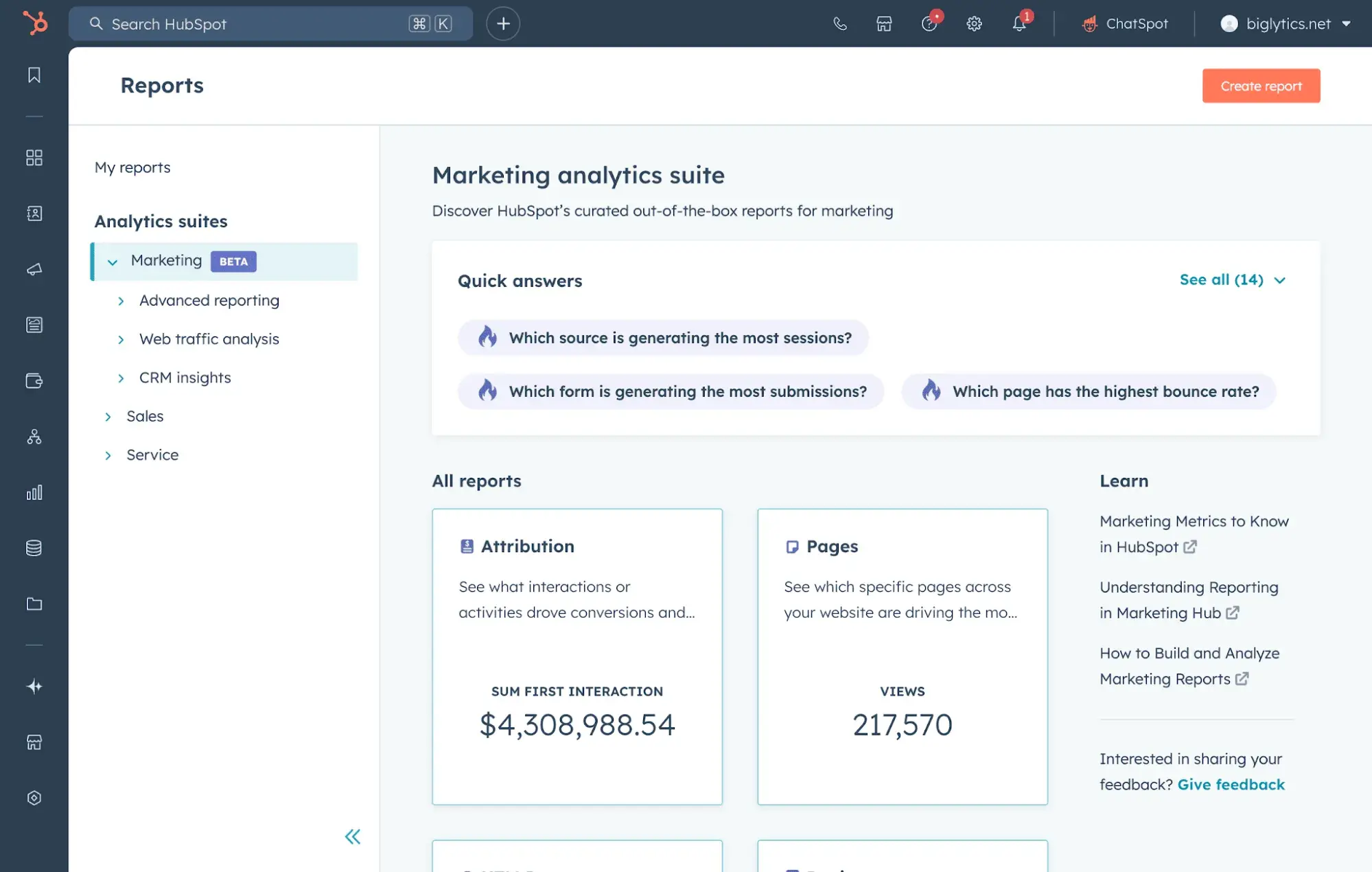
- Reporting and Analytics: Advanced reporting and analytics are crucial for measuring ROI, understanding campaign performance, and making informed strategic decisions. The ability to customize reports and gain deep insights into customer behavior is a significant differentiator.
- User Experience and Ease of Use: The learning curve and overall usability of a platform can significantly impact adoption rates and team efficiency. Intuitive interfaces and user-friendly design are increasingly prioritized.
- Scalability and Pricing: As businesses grow, their marketing automation needs evolve. Platforms that can scale effectively and offer transparent, predictable pricing models are essential for long-term partnerships.
Key Pardot Alternatives in the B2B Market
Several platforms are emerging as strong contenders for businesses looking to replace Pardot, each offering distinct advantages:
1. HubSpot Marketing Automation
HubSpot Marketing Automation is a leading choice for B2B marketers seeking a unified platform for nurturing leads, building campaigns, and managing customer relationships. Its strength lies in its all-in-one approach, integrating marketing automation with HubSpot’s Smart CRM. This eliminates the data silos often associated with Pardot and offers a more cohesive user experience.

Key HubSpot Features:
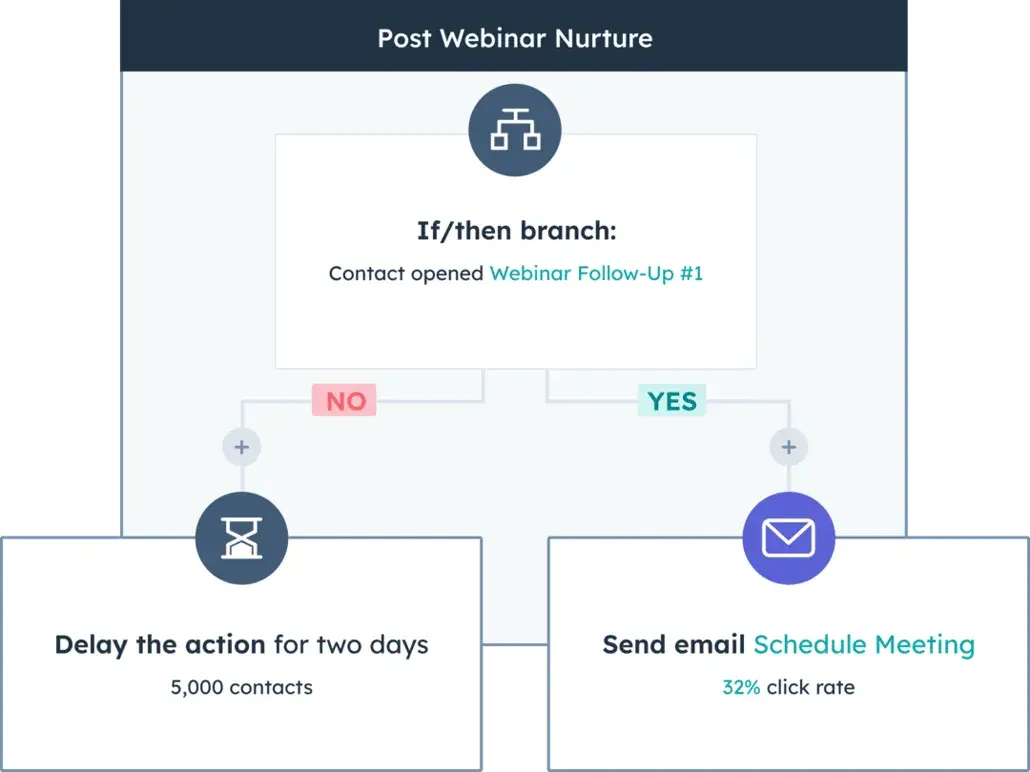
- Multi-step Nurture Workflows: The ability to design complex, behavior-driven nurture campaigns that adapt to customer interactions.
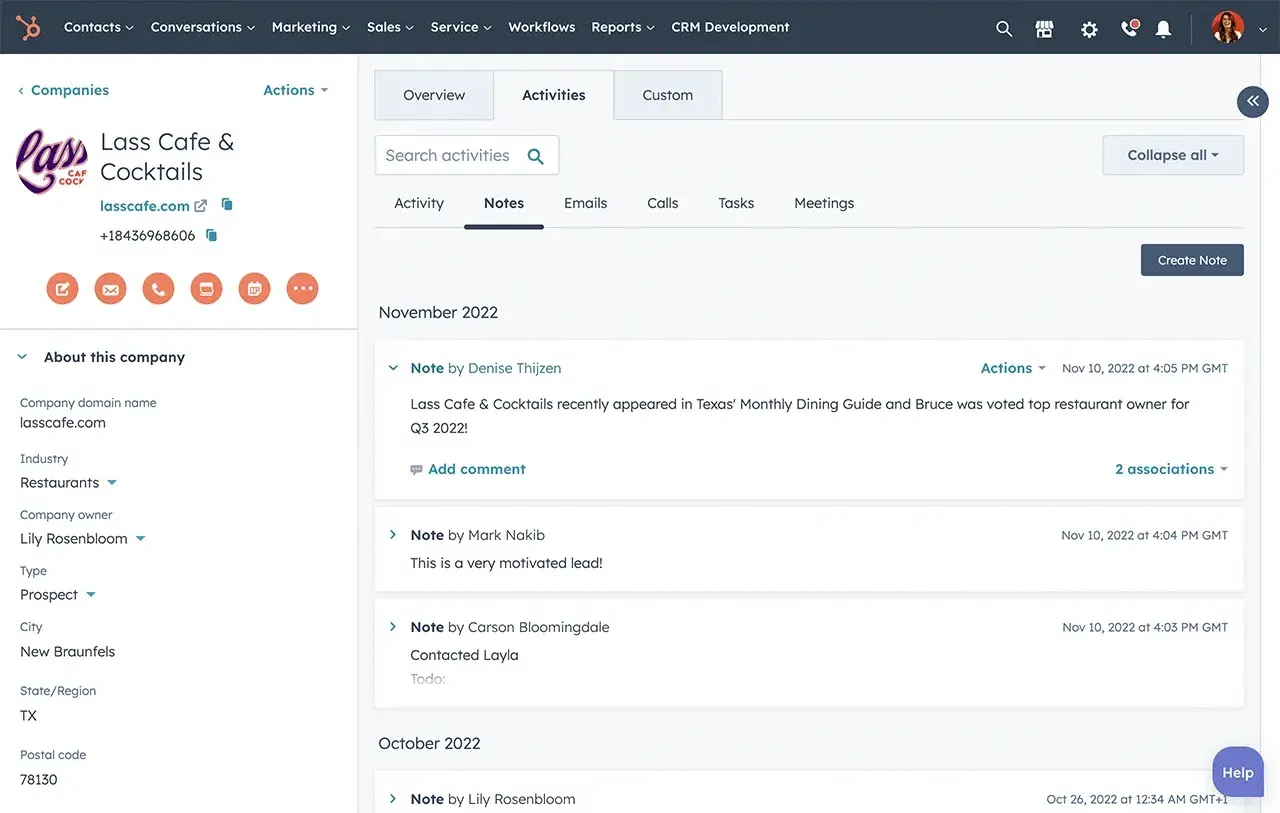
- Integrated CRM: A powerful CRM that syncs seamlessly with marketing activities, providing a 360-degree view of the customer.
- Native Salesforce Integration: For businesses that wish to retain Salesforce, HubSpot offers a robust, bi-directional sync to keep data consistent across both platforms.
- Drag-and-Drop Builders: Intuitive tools for creating emails, landing pages, and marketing campaigns without requiring extensive technical expertise.
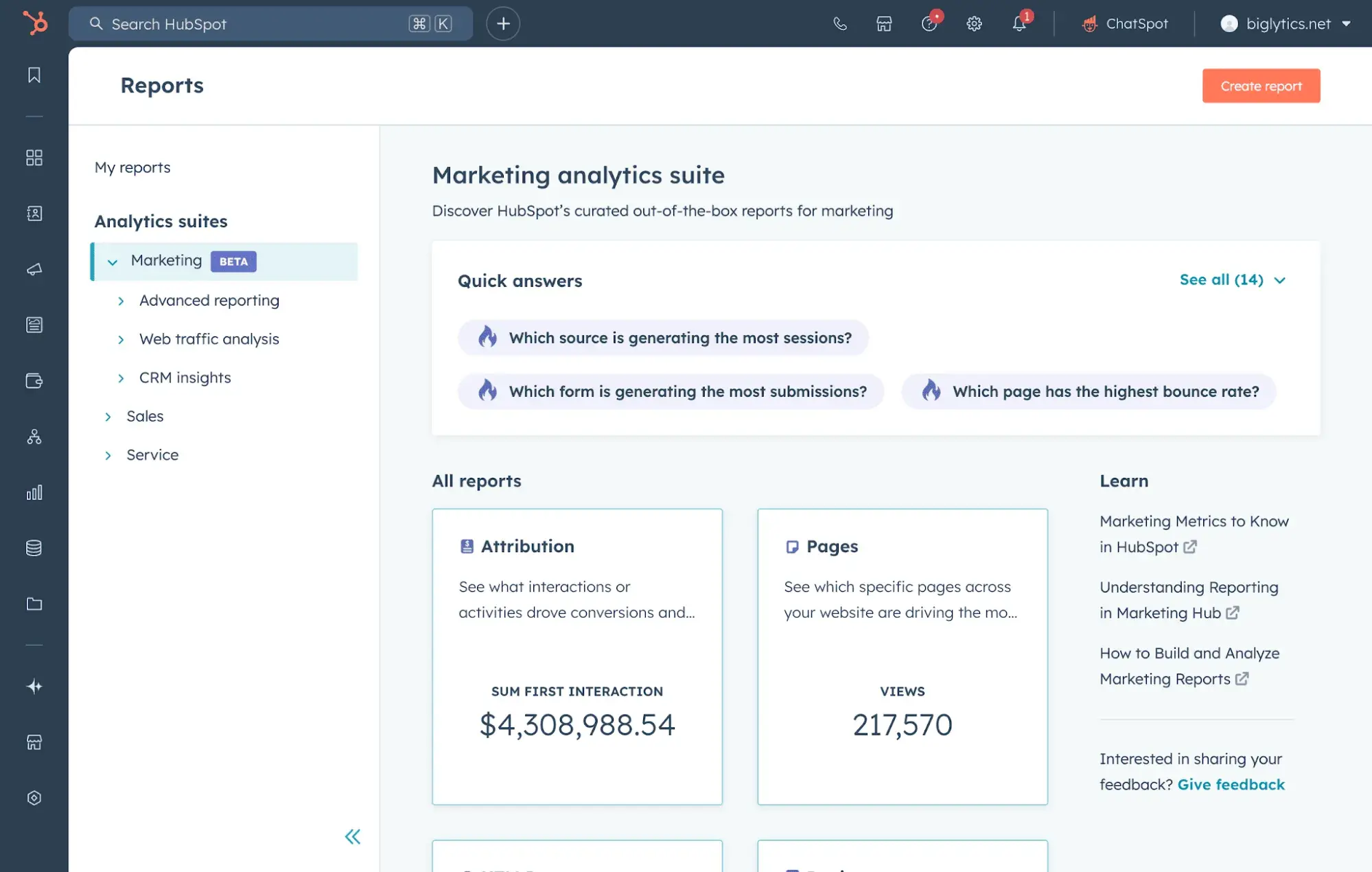
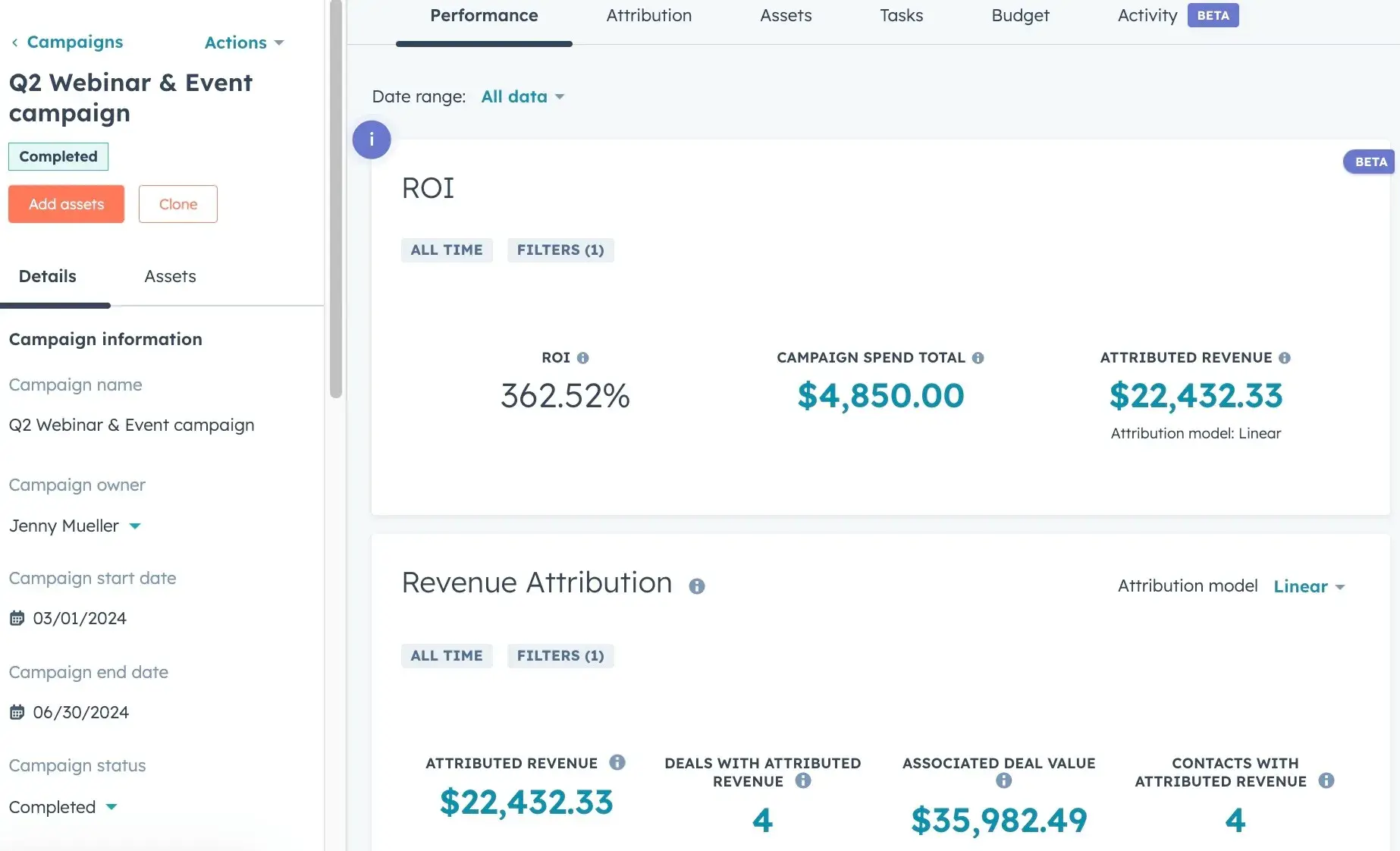
- Advanced Reporting: Comprehensive dashboards and customizable reports to track key metrics, campaign performance, and attributed revenue.
Reviews: HubSpot Marketing Hub is frequently lauded for its ease of use, effective email marketing capabilities, and powerful automation features. While some users note a learning curve, the overall consensus points to an intuitive and efficient platform.
Pricing: HubSpot offers a free plan suitable for smaller teams, with paid plans starting at $10 per user per month, making it an accessible option for businesses of varying sizes.
Expert Insight: "HubSpot is famous for its user-friendly, modern interface and its all-in-one platform that syncs across marketing, sales, and CRM. It’s built for marketers, with all the marketing automation tools needed to test and scale. I love the drag-and-drop email and campaign builders that allow you to iterate and execute without waiting on developers."
2. Salesforce Marketing Cloud Next
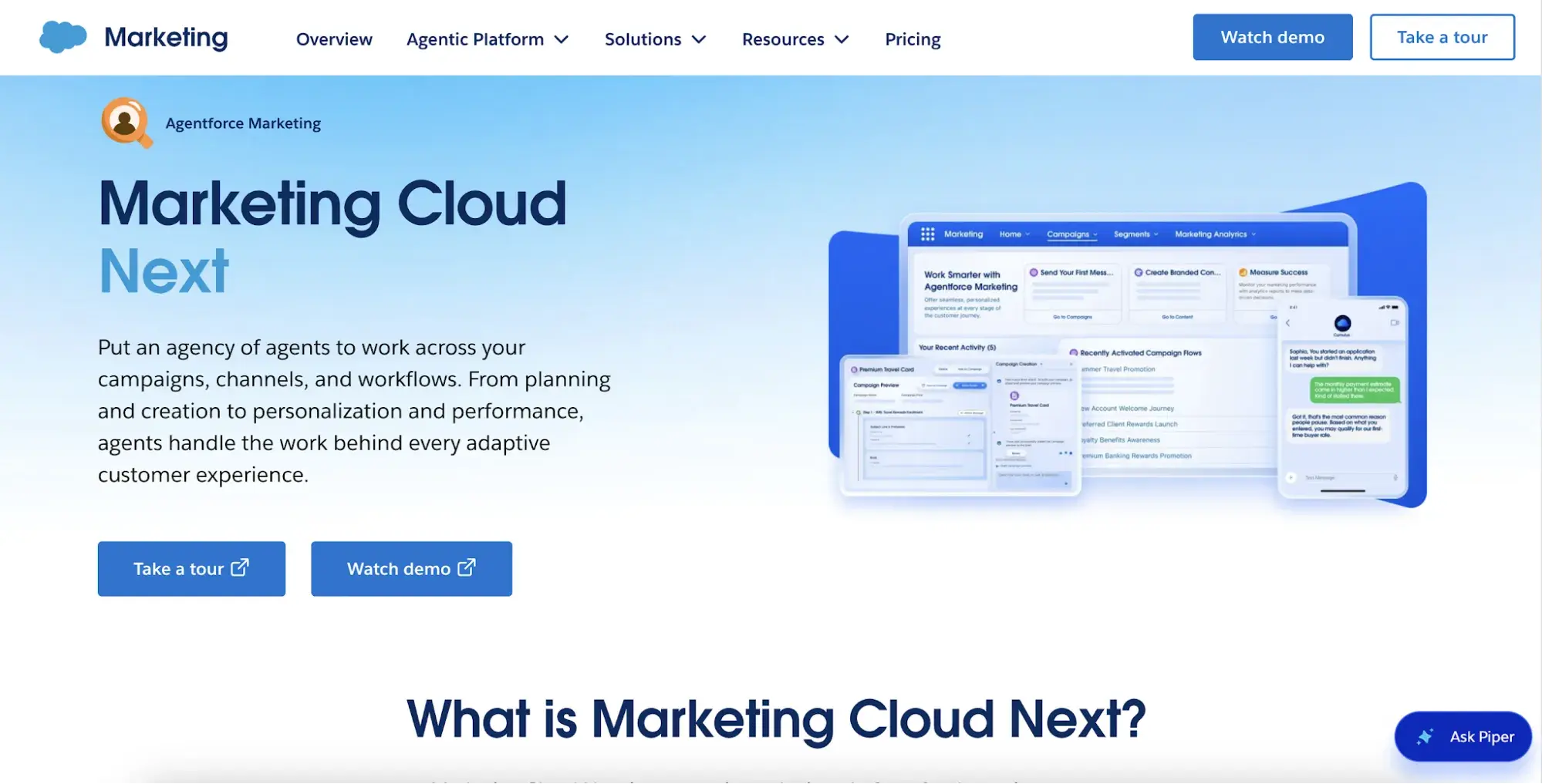
Salesforce Marketing Cloud Next represents Salesforce’s strategic direction for its marketing automation offerings, aiming to consolidate capabilities onto its Data Cloud platform. This platform is designed for organizations deeply invested in the Salesforce ecosystem and seeking a more integrated solution than the separate Pardot integration.
Key Marketing Cloud Next Features:
- Native Data Cloud Integration: Built directly on Salesforce’s Data Cloud, offering a more unified data model.
- Enterprise-Grade Capabilities: Designed for large organizations with complex marketing needs and extensive Salesforce usage.
- Comprehensive Marketing Suite: Encompasses various marketing functions, aiming for a holistic customer journey management.
Analysis: While Salesforce is guiding existing Pardot customers towards Marketing Cloud Next, Ryan suggests this often triggers a broader technology review. "Salesforce is directing [customers] to their new platform called Marketing Cloud Next… but essentially what this is doing is prompting a wider tech review," he noted. Many businesses use this opportunity to evaluate their entire stack, with HubSpot frequently being the preferred outcome. Marketing Cloud Next is a significant investment, best suited for large enterprises already heavily reliant on Salesforce.
Reviews: Reviews for Agentforce Marketing, which encompasses Marketing Cloud Next, show a divergence of opinion on usability, with some praising its ease of use and others citing complexity and a steep learning curve.
Pricing: The Growth Edition of Marketing Cloud Next starts at $1,500 per organization per month, positioning it as a premium enterprise solution.
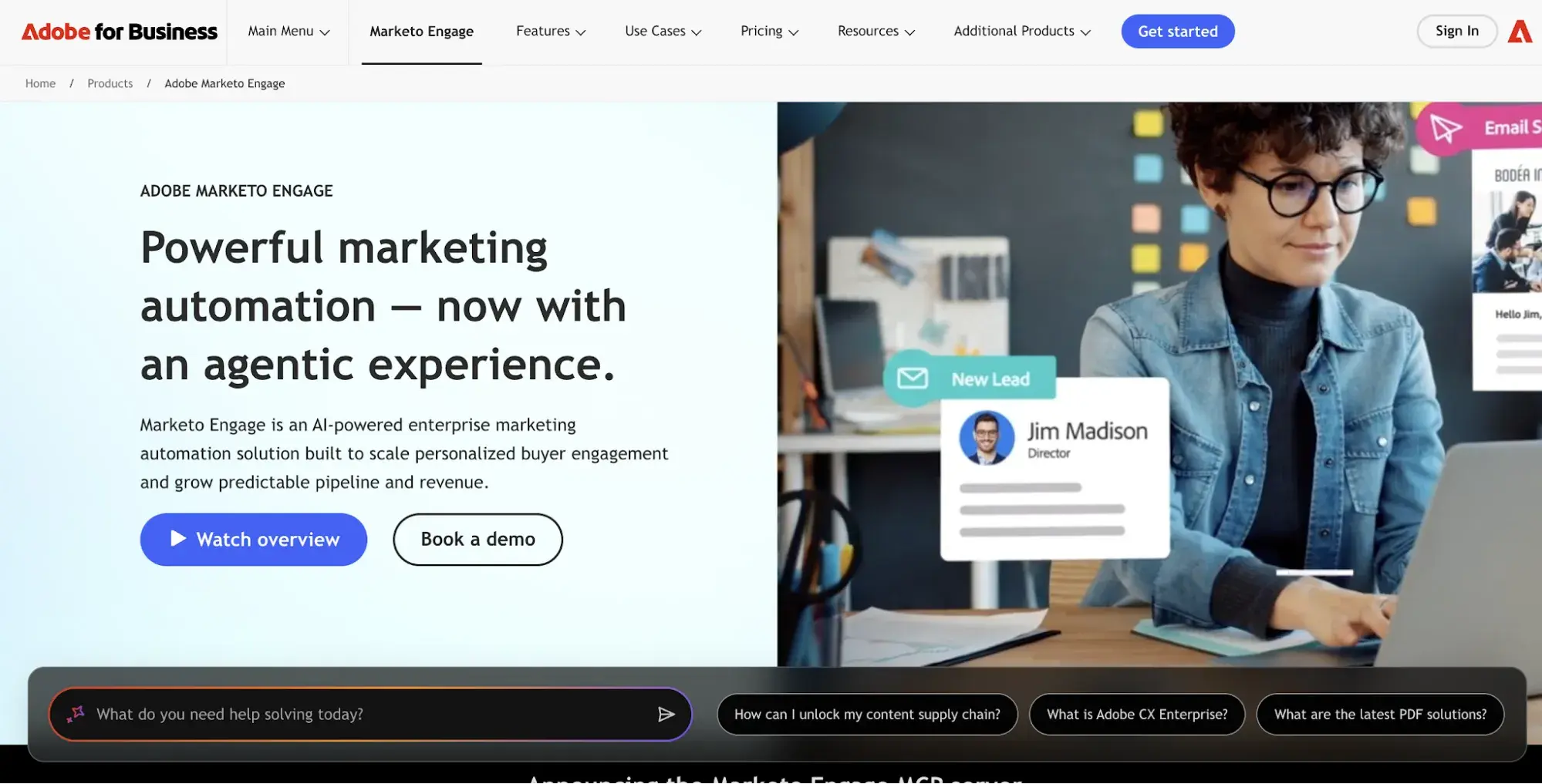
3. Adobe Marketo Engage
Adobe Marketo Engage is a robust enterprise-level marketing automation platform favored by complex organizations that have outgrown simpler solutions. It is known for its extensive feature set, though it often comes with a higher price point and a more significant learning curve.
Key Marketo Features:
- Advanced Automation: Offers sophisticated automation capabilities for intricate marketing workflows.
- Robust Lead Management: Comprehensive tools for lead scoring, nurturing, and management.
- Extensive Integrations: Connects with a wide array of third-party applications and CRMs.
- AI-Powered Features: Incorporates AI for personalization and campaign optimization.
Analysis: Marketo is a powerful tool for teams with the resources and technical expertise to leverage its full potential. Its complexity, while a barrier for some, can be an advantage for organizations requiring deep customization and advanced functionality.
Reviews: Users highlight Marketo’s automation strengths and ease of use for certain functions. However, common drawbacks include a steep learning curve, a less intuitive design, and overall complexity.
Pricing: Adobe does not publicly disclose Marketo pricing, requiring interested businesses to contact sales for a custom quote.
4. ActiveCampaign
ActiveCampaign positions itself as an AI-forward marketing automation platform that also includes a lightweight CRM. It appeals to teams seeking a balance between advanced automation and user-friendliness, with a particular emphasis on multi-channel engagement.
Key ActiveCampaign Features:
- AI-Driven Automation: Utilizes AI to personalize customer journeys and optimize campaigns.
- Multi-Channel Automation: Enables automation across email, SMS, social media, and other channels.
- Native Salesforce Sync: Offers a direct, bi-directional sync with Salesforce.
- Integrated CRM: Provides a basic CRM for managing contacts and sales activities.
Analysis: ActiveCampaign’s "active intelligence" feature, allowing users to interact with AI using natural language, represents a significant departure from more code-heavy systems. However, businesses should be mindful of potential steep price increases when scaling or moving between tiers.
Reviews: Users generally praise ActiveCampaign’s ease of use and automation capabilities. Recurring criticisms include a notable learning curve and limitations in reporting features.
Pricing: Plans for ActiveCampaign start at $15 per month, scaling based on the number of contacts.
5. Zoho Marketing Automation
Zoho Marketing Automation offers a budget-friendly alternative, particularly for small to medium-sized businesses that are looking to consolidate their marketing efforts without a significant financial outlay. It integrates natively with Zoho CRM and other Zoho applications.
Key Zoho Marketing Automation Features:
- Lead Scoring and Nurturing: Utilizes customer data to score leads and personalize outreach.
- Campaign Generation: Tools for creating and managing multi-channel marketing campaigns.
- Zoho CRM Integration: Seamless connection with Zoho’s own CRM for a unified customer view.
- Affordability: Positions itself as a cost-effective solution for businesses with straightforward data needs.
Analysis: While less robust than enterprise-level platforms, Zoho Marketing Automation serves as a viable option for smaller companies seeking essential marketing automation features at an accessible price point. It is particularly attractive for businesses looking to move away from Salesforce entirely.
Reviews: While users appreciate the marketing automation functionalities, common complaints revolve around customer service responsiveness and reporting limitations.
Pricing: Zoho Marketing Automation plans begin at $19 per month for up to 1,000 contacts.
Navigating the Migration Process
A successful migration from Pardot to a new platform requires meticulous planning and execution. Tom Ryan emphasizes that underestimating the "translation factor" is a common pitfall. This refers to the process of mapping existing workflows, data structures, and campaign logic from Pardot to the new system.
Key Migration Considerations:
- Data Mapping and Workflow Translation: Understanding how data objects and automation rules function differently across platforms is crucial. For instance, a "Salesforce campaign" is a distinct entity from a "HubSpot campaign," requiring careful remapping and potential restructuring.
- Campaign Attribution Modeling: Businesses must decide where and how campaign attribution will be managed in the new environment. This involves evaluating whether to replicate existing Salesforce hierarchies or adopt a new model within the chosen platform.
- Phased Rollout and QA: Implementing a phased rollout allows for thorough testing and minimizes disruption. Rigorous quality assurance at each stage is essential to ensure data integrity and functional accuracy.
Ryan categorizes migration priorities into three essential buckets:
- Data and Workflow Audit: A comprehensive review of all existing Pardot data, workflows, and automation rules to identify what needs to be migrated, what can be retired, and what needs to be rebuilt.
- Platform Selection and Configuration: Choosing the right alternative platform based on business needs and configuring it to align with migration goals.
- Testing and Validation: Thoroughly testing all migrated data, workflows, and automation sequences in the new environment before a full launch.
With diligent planning, a Pardot migration can be completed in as little as one month, although typical timelines often extend to two to three months.
Addressing Common Migration Challenges
Several specific challenges arise during Pardot migrations:
- Lead Scoring and ABM Models: Lead scoring models, which are often out-of-the-box in Pardot, cannot be directly ported to other systems and must be rebuilt. Similarly, ABM models and Engagement Studio automations require careful reconstruction. Ryan advises treating this as an opportunity to refine these models based on accumulated learnings. "Scores and grades can still be retained when migrating to a new platform, for segmentation reasons," he noted. "Treat it as an opportunity to rebuild the model with the learns gained from Pardot."
- Maintaining Prospect Journeys: It is critical to accurately track where prospects are in their existing journeys and ensure continuity when transitioning to a new system. Working with experienced migration partners can significantly mitigate risks in this area.
- Retaining Salesforce CRM: Businesses can successfully migrate off Pardot while retaining their Salesforce CRM. Pardot is billed as a separate component, allowing for this flexibility.
Budgeting for a New Platform
When budgeting for a new marketing automation platform, companies should consider the list price based on their current size and anticipated growth in users and contacts. The cost escalation often occurs when moving to higher tiers. Additionally, onboarding and implementation fees, which can be mandatory for some platforms in the first year, should be factored into the overall budget.
The Future of B2B Marketing Automation
The ongoing evolution of the marketing landscape demands that businesses invest in tools that are not only current but also capable of supporting advanced strategies and future growth. The array of Pardot alternatives available offers a diverse range of solutions to meet varying organizational needs, from cost-effective options for smaller businesses to robust, enterprise-grade platforms for larger corporations.
As the industry continues to innovate, the ability of marketing automation platforms to provide seamless CRM integration, sophisticated automation, actionable insights, and an intuitive user experience will be paramount. For businesses currently utilizing Pardot, a strategic evaluation of these alternatives and a well-planned migration strategy are essential steps towards maintaining a competitive edge in the dynamic world of B2B marketing.
About the Author