For years, Adobe Marketo Engage has been a dominant force in enterprise demand generation, a comprehensive platform favored by marketing operations leaders for its robust capabilities. However, a growing chorus of these leaders is now posing a critical question: "Is Marketo still the optimal solution for our needs, or are there compelling alternatives we should be exploring?" This introspection signals a significant shift in the marketing technology landscape, driven by evolving market demands, technological advancements, and a re-evaluation of total cost of ownership and operational efficiency.
The imperative for marketing automation has never been stronger. Projections indicate that by 2026, nearly half of all marketers will leverage automation to streamline their processes. This surge in adoption intensifies the competition among marketing automation platforms, pushing vendors to innovate and existing users to scrutinize their current solutions. This article delves into the reasons behind the growing interest in Marketo alternatives, examines leading platforms such as HubSpot’s Marketing Hub and Smart CRM, outlines crucial factors for evaluation, and offers insights into navigating a successful migration.
The Unfolding Reasons for Marketo Reconsideration
Adobe Marketo Engage, a long-standing leader in B2B marketing automation, offers a comprehensive suite of tools for lead nurturing, email marketing, account-based marketing (ABM), revenue attribution, and CRM integration. Its decade-long presence has cemented its status as a category benchmark. Yet, marketing operations leaders, RevOps professionals, and agency principals are increasingly seeking alternatives. The primary drivers behind this shift can be broadly categorized:
Escalating Total Cost of Ownership (TCO)
While licensing fees are the initial entry point for Marketo, the true financial burden extends far beyond. The total cost of ownership encompasses not only the software licenses but also the significant expenditures on implementation services, ongoing administration, necessary integrations, specialized training, and often costly add-ons. Many organizations find the cumulative cost of running Marketo, particularly after factoring in intensive implementation services, to be a substantial and often unexpected drain on their budget. This comprehensive cost structure prompts a deeper financial analysis when evaluating long-term platform viability.
Steep Learning Curves and Dependency on Specialized Expertise
Marketo is widely recognized for its powerful capabilities, but this power often comes with considerable complexity. For many marketing teams, operating Marketo independently is a significant challenge. This frequently leads to a reliance on dedicated Marketo-certified administrators or external consulting firms to build campaigns and maintain intricate workflows. Such dependency not only creates bottlenecks in execution but also adds a recurring operational cost that can be difficult to manage, especially for leaner marketing departments.
Data Fragmentation Between Marketing and Sales Silos
While Marketo integrates with major CRM systems like Salesforce, the term "integration" often falls short of true data unification. Many marketing teams report persistent issues with data synchronization delays, inconsistencies in lead records, and friction during the critical handoff between marketing and sales departments. In today’s performance-driven revenue operations, these data silos are not merely inconveniences but significant impediments to efficiency and revenue generation.
Extended Time-to-Value and Implementation Delays
The implementation of Marketo can be a protracted process, with timelines often stretching from three to six months before teams can become fully operational. For businesses operating in fast-paced markets that require immediate pipeline generation, this extended onboarding period represents a tangible loss of opportunity and a delay in achieving a return on investment.

Platforms like HubSpot’s Marketing Hub and Smart CRM aim to directly address these pain points. Their unified architecture, which seamlessly integrates marketing automation and CRM, minimizes data fragmentation. Furthermore, their intuitive visual workflow builders often negate the need for specialized technical expertise, empowering marketing teams to take control of their automation strategies. The accelerated onboarding timelines, often measured in weeks rather than quarters, offer a more agile path to value realization.
A Comparative Overview of Marketo Alternatives
The selection of a marketing automation platform is a strategic decision that hinges on specific team needs, existing technology stacks, and desired functionalities. As the market matures, AI-powered features are becoming increasingly integral to these platforms, offering capabilities such as predictive lead scoring, automated content generation, intelligent send-time optimization, data summarization, and advanced analytical insights.
To provide a clearer picture of the competitive landscape, here is a comparative overview of prominent Marketo alternatives:
| Platform | Best For | Key Features | CRM Integration | Starting Price | Tradeoffs |
|---|---|---|---|---|---|
| HubSpot Marketing Hub + Smart CRM | Teams seeking unified CRM & marketing automation | AI workflows, lead scoring, multi-touch attribution, journey orchestration | Native, Unified | Free tier; Pro: $800/mo | Scales with contact volume |
| Salesforce Marketing Cloud Account Engagement (Pardot) | Existing Salesforce customers | Lead scoring, Salesforce-native sync, engagement programs | Native (SFDC only) | Starter: $25/month | Requires Salesforce; limited outside ecosystem |
| Oracle Eloqua | Large enterprises, complex multi-touch programs | Advanced segmentation, ABM, global scale | Integrates with major CRMs | Custom pricing | Complex to implement; high cost |
| ActiveCampaign | SMBs and mid-market teams | Email automation, CRM, segmentation | Built-in CRM | From $15/mo | Lighter on enterprise features |
| Zoho Marketing Automation | Budget-conscious teams in the Zoho ecosystem | Email, landing pages, lead scoring | Native Zoho CRM | From $15/mo | Best within Zoho stack |
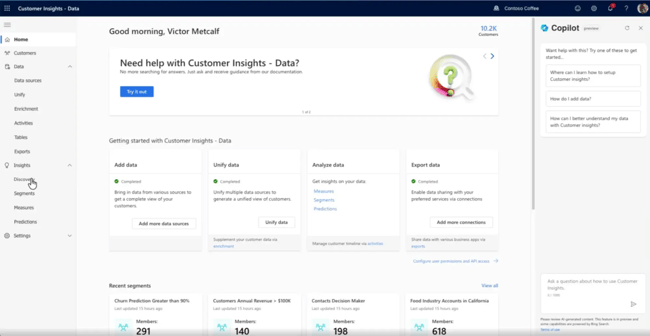
| Microsoft Dynamics 365 Marketing | Microsoft-stack organizations | Event marketing, B2B journeys, Copilot AI | Native Dynamics 365 | From $1,700.00/mo | Complex licensing; IT-heavy implementation |
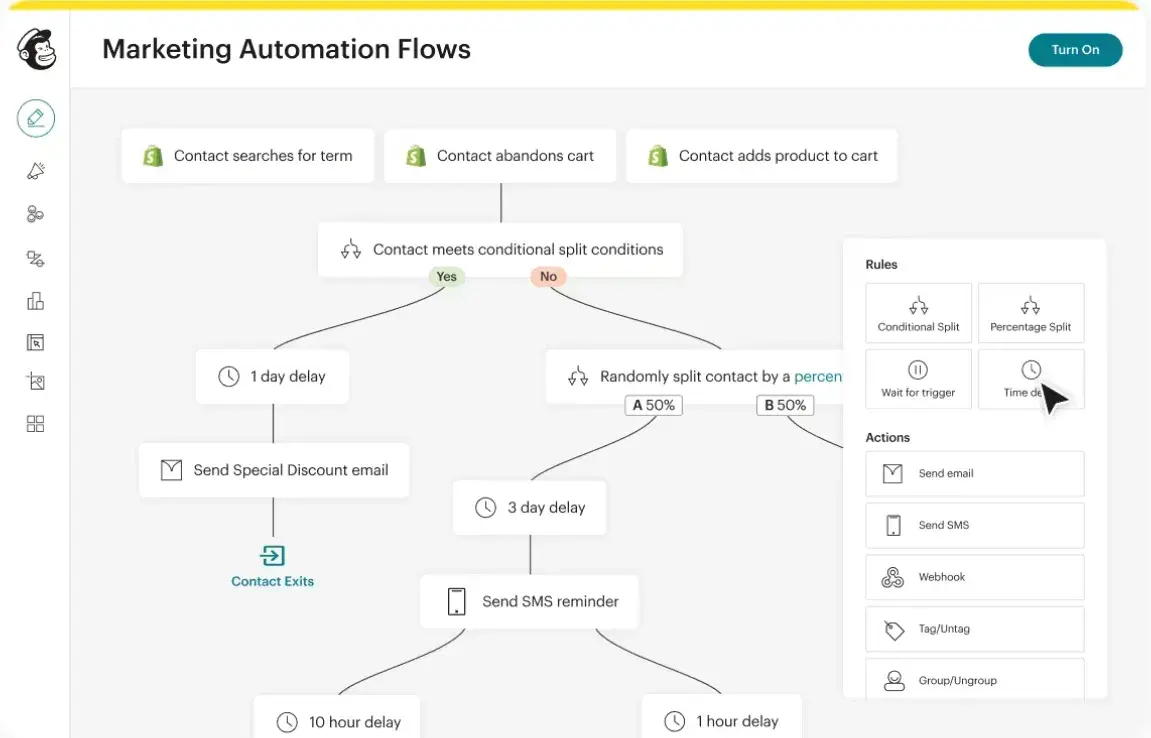
| Mailchimp | Small teams, early-stage companies | Email, automation, audience management | Basic integrations | Free tier; Paid from $13/mo | Not for complex B2B demand gen |
The Leading Marketo Alternatives in Detail
When evaluating alternatives to Marketo, a nuanced approach is required, considering team size, existing technology infrastructure, and specific use cases. The integration of AI features across these platforms is a significant differentiator, offering enhanced capabilities for personalization, efficiency, and strategic decision-making.
1. HubSpot Marketing Hub + Smart CRM
HubSpot emerges as a comprehensive alternative, distinguished by its unified architecture that seamlessly integrates marketing automation and CRM from the ground up. This eliminates the need for separate systems and complex integration layers, reducing data silos across marketing, sales, and service functions.
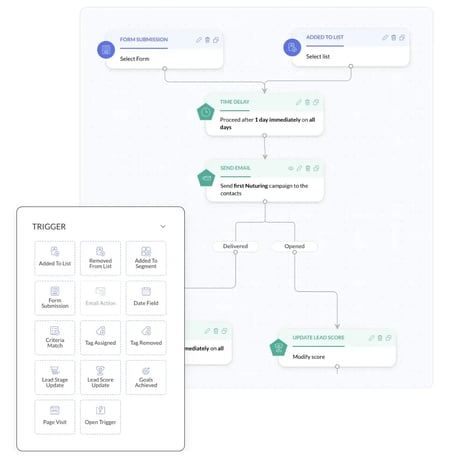
Marketing Automation and User Empowerment: HubSpot’s Marketing Automation utilizes a visual workflow builder, designed for marketers to operate without requiring specialized technical expertise. This drag-and-drop interface simplifies the creation of lead nurture sequences, trigger-based campaigns, and multi-step automations, empowering marketing teams to execute their strategies independently and rapidly. This contrasts with Marketo’s automation builder, which often demands admin involvement for anything beyond basic sequences, thereby placing control back into the hands of the marketing team.
Customer Journey Orchestration: The platform’s Customer Journey Orchestration capabilities enable end-to-end automation across email, social media, and messaging channels. Real-time CRM data triggers each step, ensuring that journeys adapt instantaneously to changes in contact status within the CRM, eliminating the need for manual data synchronization.
AI-Powered Lead Scoring: HubSpot’s AI-assisted lead scoring system automatically prioritizes leads based on both fit (ICP data) and engagement (behavioral data). These scores are directly accessible within the CRM, ensuring that marketing and sales teams operate from a unified and informed perspective. This AI-driven approach significantly reduces the manual configuration and ongoing maintenance often associated with lead scoring in traditional platforms.

Advanced Reporting and Revenue Attribution: The Advanced Marketing Reporting suite provides multi-touch revenue attribution and customer journey analytics, enabling marketing teams to demonstrably link campaign efforts to closed revenue. The native integration of data within the platform eliminates the need for manual exports or reconciliation between disparate systems, offering a streamlined approach to performance measurement.
Marketing Studio and Content Creation: HubSpot’s Marketing Studio consolidates campaign planning, content creation, and execution into a single, AI-powered workspace. This integration reduces the coordination overhead often experienced when juggling Marketo with separate content management and project management tools.
AI-Powered Emails and Personalization: The AI-Powered Emails feature automates personalized 1:1 email content at scale, leveraging live CRM data. This eliminates the manual segmentation and token-building processes that can be time-consuming in other platforms.
Unified Contact Management and Smart CRM: HubSpot’s Contact Management system meticulously records every interaction within a single, unified contact record. This provides marketing and sales teams with complete context without the need to switch between tools or export data. Real-time reporting dashboards offer immediate visibility into campaign performance and pipeline contribution, often replicating functionalities that require expensive add-ons in Marketo.
Pricing and Value Proposition: HubSpot Marketing Hub offers a free edition, with Professional plans starting at $800 per month, scaling with contact volume and features. The all-in cost, including the integrated CRM, is generally significantly lower than Marketo’s total cost of ownership when implementation, administration, and integration expenses are factored in.
Expert Endorsement: Siddharth Deswal, Founder of Enfra, a seasoned marketing leader with extensive experience across various platforms, highlights HubSpot as his preferred Marketo alternative. He notes its "Simplicity, power, and great design all in one package." He emphasizes its value for modern brands running sophisticated, personalized email campaigns based on customer actions.
2. Salesforce Marketing Cloud Account Engagement (formerly Pardot)
Salesforce Marketing Cloud Account Engagement (Pardot) is a compelling choice for organizations deeply embedded within the Salesforce ecosystem. Its native integration ensures seamless data flow between marketing and sales, eliminating the complexities of sync layers and providing a unified view of customer interactions.
Key Features: Pardot offers robust lead scoring, engagement tracking, and automation programs designed to align with Salesforce’s data structure. Its strength lies in its direct connectivity with the Salesforce CRM, enabling a frictionless handoff of qualified leads and a consistent view of the customer journey.
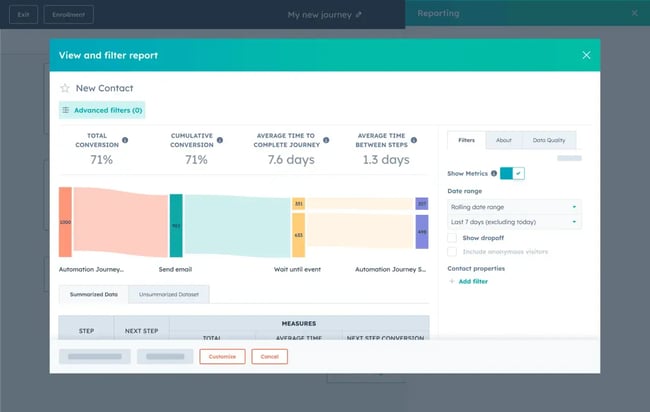
Pricing and Ecosystem Dependency: The Starter plan begins at $25 per month, with advanced tiers offering more comprehensive features at higher price points. The primary tradeoff is its limited utility outside the Salesforce ecosystem. For companies not utilizing Salesforce as their primary CRM, Pardot’s value proposition diminishes considerably.
Expert Perspective: Deswal notes that while Pardot offers native Salesforce integration, it often lacks the "intelligence" and advanced capabilities found in platforms like HubSpot, particularly concerning landing page creation and overall user experience for marketers.
3. Oracle Eloqua
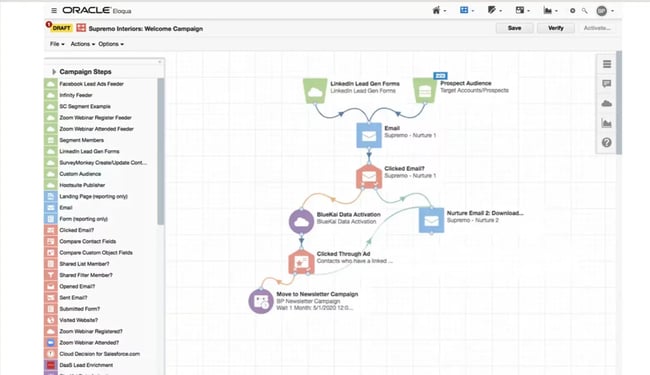
Oracle Eloqua is positioned for large enterprises that require highly sophisticated, multi-touch marketing programs and operate on a global scale. It offers advanced segmentation and ABM capabilities, comparable in complexity and scope to Marketo.
Key Features: Eloqua excels in managing complex data structures and supporting intricate campaign logic. Its strengths lie in its robust data management capabilities, including built-in tools for data deduplication and normalization, which are crucial for organizations with extensive and sometimes inconsistent contact databases.
Pricing and Implementation: Pricing is custom and typically falls into the mid-to-high enterprise range. A significant tradeoff is its implementation complexity, which mirrors that of Marketo. Teams considering Eloqua should carefully assess whether they are solving fundamental issues or simply migrating to another platform with a similar operational overhead.
Expert Critique: Deswal describes Eloqua as "basically an expensive email marketing system with powerful lead management capabilities," best suited for large B2C entities struggling with data quality at scale. He argues it was not designed for the modern marketer’s evolving needs.
4. ActiveCampaign
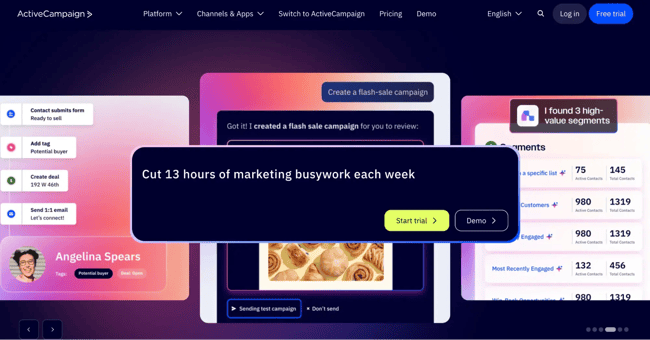
ActiveCampaign targets small to mid-market businesses seeking powerful email automation and CRM functionalities without the enterprise-level price tag or implementation complexity. Its automation builder is known for its accessibility, allowing marketers to create sophisticated sequences without requiring technical assistance.
Key Features: The platform offers robust email automation, a built-in CRM, and advanced segmentation capabilities. Its user-friendly interface is a significant draw for teams looking to streamline their marketing operations.
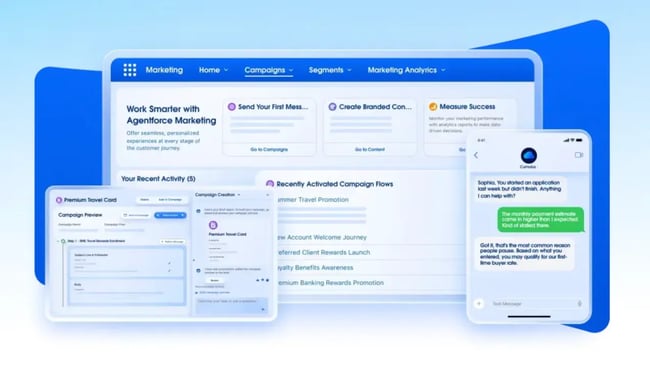
Pricing and Limitations: Pricing starts at $15 per month, with enterprise plans scaling with contact volume. The primary tradeoff lies in its reporting and attribution capabilities, which are less advanced than those of Marketo or HubSpot. Teams heavily reliant on multi-touch revenue attribution may find ActiveCampaign’s reporting to be a limiting factor.
Ideal Use Case: ActiveCampaign is well-suited for growing B2B teams aiming to replace Marketo’s complexity with a more manageable and cost-effective solution without overhauling their entire tech stack.
5. Zoho Marketing Automation
Zoho Marketing Automation is an attractive option for organizations already invested in the Zoho ecosystem, particularly those utilizing Zoho CRM. The native integration between these two platforms is seamless, and the overall cost of the Zoho suite is highly competitive.
Key Features: The platform provides essential marketing automation tools, including email marketing, landing page creation, and lead scoring, all tightly integrated with Zoho CRM.
Pricing and Ecosystem Advantage: Pricing starts at $14 per month. Its strength is its comprehensive suite of integrated tools within the Zoho ecosystem, offering significant value for budget-conscious teams that need to cover marketing automation, CRM, and basic sales functionalities.
Tradeoffs: Outside the Zoho ecosystem, integration options can be more limited. For teams accustomed to Marketo’s advanced ABM and enterprise segmentation features, Zoho Marketing Automation may appear less robust.
6. Microsoft Dynamics 365 Marketing
For organizations standardized on the Microsoft ecosystem, Microsoft Dynamics 365 Marketing offers native integration with a suite of Microsoft products, including Teams, SharePoint, and Power BI.
Key Features: The platform includes event marketing capabilities, B2B journey orchestration, and integrates with Microsoft’s Copilot AI for content generation and campaign optimization suggestions. Its integration with the broader Microsoft suite provides a cohesive experience for existing users.
Pricing and Implementation Complexity: Pricing for the marketing application begins at $1,700 per month, with bundled options available. A significant tradeoff is its complex licensing structure and the typical need for IT involvement during implementation. Non-Microsoft centric organizations may find the platform less intuitive.
7. Mailchimp
Mailchimp is frequently considered by early-stage companies and small teams due to its accessible pricing and user-friendly interface for email marketing and basic automation.
Key Features: Mailchimp offers robust email campaign management, audience segmentation, and foundational automation features. It is particularly effective for straightforward email marketing programs.
Pricing and Suitability: A free tier is available, with paid plans starting from $13 per month. Mailchimp is best suited for small teams and startups focused on basic email outreach. It is not designed for complex B2B demand generation, advanced nurture sequences, ABM requirements, or sophisticated multi-touch attribution needs.
Expert Advice: Deswal recommends Mailchimp for small businesses with limited needs, praising its "very nice email and newsletter designs out of the box." However, he cautions that it lacks the power required for sophisticated marketing strategies. For growing companies that find themselves evaluating Marketo, he advises a direct leap to more comprehensive platforms like HubSpot to avoid a costly intermediate migration.
Key Considerations for Transitioning from Marketo
When evaluating potential Marketo alternatives, a thorough assessment of critical features is paramount to avoid trading one set of limitations for another. Key areas of focus include:
Marketing Automation and Workflow Flexibility
Marketo’s powerful smart campaigns and trigger logic, while robust, can be complex. When evaluating alternatives, it’s crucial to map your most critical existing programs, such as nurture sequences, lead routing workflows, alert triggers, and scoring programs. A practical approach is to request demonstrations from vendors on how they would replicate your three most complex Marketo programs within their platform.
CRM Integration and Data Unification
Marketo’s reliance on integration layers for CRM connectivity can lead to data delays and inconsistencies. Alternatives offering native CRM functionality or tighter integration models are preferable. A unified CRM and marketing platform inherently reduces data silos between marketing, sales, and service, streamlining the revenue process.
Lead Scoring and Segmentation Capabilities
Evaluate how each platform handles demographic fit scoring, behavioral engagement scoring, and score decay. AI-assisted scoring that adapts dynamically can significantly reduce manual maintenance, a critical factor for lean operations teams. Assess segmentation flexibility: can the platform accommodate your ICP filters, firmographic layering, and persona-based segments without requiring custom coding?
Multi-Channel Campaign Execution
Modern B2B marketing strategies span email, paid advertising, social media, and direct outreach. Evaluate whether alternatives support your full channel mix and, importantly, whether these channels are coordinated within a single workflow or necessitate separate tools and manual handoffs.
Revenue Attribution and Reporting
Marketo’s reporting often requires significant configuration and may necessitate additional investment for robust multi-touch attribution analysis. The ideal alternative should provide clear answers to funnel conversion rates, campaign ROI, revenue influence, and sales handoff performance. When evaluating, inquire specifically about:
- The ease of setting up multi-touch attribution models.
- The ability to track marketing influence on closed-won deals.
- The availability of pre-built reports versus the need for custom report development.
- The platform’s capacity to connect marketing touchpoints directly to revenue.
The opportunity cost of relying on inaccurate or incomplete attribution data can be substantial, impacting strategic decisions and budget allocation.
Ease of Migration and Onboarding
Successful transitions are often underpinned by meticulous migration planning. Ask vendors to detail their standard migration processes, including:
- Data migration tools and support.
- Program and asset migration methodologies.
- Integration re-establishment processes.
- Onboarding and training resources available to your team.
Navigating the Migration Process
Migrating from a complex platform like Marketo can seem daunting, but a structured approach can demystify the process. The following steps provide a recommended sequence for teams undertaking this transition:
Step 1: Audit Current Marketo Usage
Begin by meticulously documenting what is actively used and driving results within your Marketo instance. Many instances accumulate unused programs over time. Focus on migrating active nurture sequences, scoring rules, smart lists, and reports. This ensures that you are transferring only valuable assets and avoiding the migration of legacy or underperforming components.
Step 2: Export and Cleanse Data
Extract all relevant data, including contacts, lead scores, activity history, and campaign associations. Prioritize data cleansing before migration. Duplicate records and inaccurate data will only perpetuate problems in a new system, potentially exacerbating issues rather than resolving them.
Step 3: Map Integrations
Compile a comprehensive list of all tools currently integrated with Marketo, such as CRMs, advertising platforms, webinar tools, data enrichment vendors, and content management systems. Confirm the native integration availability in your target platform before committing to a vendor. Identifying integration gaps early is far more manageable than addressing them post-migration.
Step 4: Rebuild High-Priority Programs
Avoid attempting to migrate all programs simultaneously. Prioritize those directly supporting active pipeline generation, such as top-of-funnel nurture sequences, lead routing workflows, and sales alert triggers. Once these critical programs are operational in the new platform, then address lower-priority content.
Step 5: Validate Data Synchronization
If your chosen platform integrates with a CRM, conduct a parallel testing period. This validation phase is crucial for confirming that contact records, scoring data, and campaign associations are syncing correctly. Addressing errors before they impact live campaigns is paramount.
Step 6: Plan Your Go-Live Window
Select a go-live date strategically, avoiding peak campaign periods. A mid-quarter switch can provide your team with adequate time to stabilize the new platform before entering critical sending windows.
Step 7: Invest in Team Training
Allocate dedicated, structured training time for your team. Rushing the onboarding process or relying solely on self-discovery can lead to slower adoption and a tendency to revert to old workflows. Investing in comprehensive training in the initial four to six weeks post-migration fosters faster adoption and proficiency.
Frequently Asked Questions About Marketo Alternatives
How Long Does a Marketo Migration Typically Take?
Migrations from Marketo to other marketing automation platforms generally range from 60 to 180 days. This timeline is influenced by the size of the contact database, the volume of active programs, and the complexity of existing integrations. Platforms with strong onboarding support, such as HubSpot, can often facilitate core migrations within 60 to 90 days. More complex enterprise migrations, involving intricate CRM synchronization and extensive program libraries, may extend to six months.
What Data and Assets Commonly Cause Migration Issues?
Common friction points during migration include duplicate contact records, inconsistent lead scoring logic that was poorly documented, nurture programs built on deprecated Marketo features, and CRM field mappings that do not translate seamlessly to the new platform. A pre-migration data audit, rather than an in-progress one, is the most effective step in mitigating downstream problems.
Is Running Marketo and a New Platform in Parallel Advisable?
A short parallel run, typically two to four weeks, is advisable for teams with active pipeline programs. This allows for the validation of data synchronization and builds confidence before a full transition. However, running systems in parallel for extended periods can create confusion regarding data authority.
How to Estimate Total Cost Beyond Licenses?
The total cost of ownership (TCO) for marketing automation platforms includes:
- Software licensing and subscription fees.
- Implementation and professional services.
- Ongoing administration and dedicated personnel.
- Integration maintenance and development.
- Training and professional development.
- Potential add-on modules and features.
For Marketo, industry estimates suggest the all-in annual cost can be two to three times the license fee alone. When evaluating alternatives, it is crucial to request a comprehensive TCO estimate, not just a per-seat or contact-tier price, and compare it against your current fully loaded Marketo expenditure.
What Distinguishes Marketo from HubSpot?
Marketo is a standalone marketing automation platform requiring a separate CRM and integration layer for marketing and sales data synchronization. HubSpot offers a unified platform where marketing automation and CRM are natively integrated, sharing a single contact record. This unification eliminates data sync delays, integration maintenance, and fragmented reporting common with Marketo. HubSpot also typically boasts shorter implementation timelines and lower operational complexity for most organizations.
When is a Unified CRM and Marketing Platform the Right Choice?
A unified platform is ideal when data fragmentation between marketing and sales creates friction, such as delayed lead handoffs, inconsistent contact records, or reporting that fails to connect marketing activities to revenue. If your team expends significant effort reconciling data between your Marketing Automation Platform (MAP) and CRM, or relies on spreadsheets for attribution analysis, a unified platform like HubSpot offers a structural solution.
Are There Marketo Alternatives with Strong Event-Based Triggers?
Yes, platforms like HubSpot, ActiveCampaign, and Pardot support event-based triggers. These are behavioral actions such as page visits, form submissions, email clicks, and CRM updates that initiate automation sequences. HubSpot’s real-time CRM data ensures that event triggers fire immediately upon a contact’s behavioral or status change, without waiting for sync cycles. For programs heavily reliant on event-based logic, verifying trigger latency – the speed at which the platform responds to an event – is a critical evaluation criterion.
Selecting the Optimal Marketo Alternative for Your Team
The selection of the most suitable Marketo alternative hinges on identifying your primary pain point: fragmented data, operational complexity, or excessive total cost. HubSpot’s Marketing Hub and Smart CRM address all three within a single, unified platform. Their advanced features, including predictive analytics, multi-touch attribution, and AI-powered capabilities, democratize enterprise-grade marketing automation for teams that may lack the extensive headcount required to manage highly complex platforms.
Regardless of the chosen platform, the principles of a successful transition remain consistent: conduct a thorough audit of your current usage, prioritize data cleansing before migration, and evaluate potential solutions against your genuine, current use cases rather than theoretical scenarios from past platform implementations.
About the Author