The landscape of search engine optimization (SEO) is a dynamic and ever-evolving domain, presenting both opportunities and challenges for businesses aiming to establish a robust online presence. For small businesses, the constraints of limited resources and budgets can exacerbate the difficulty of navigating the vast array of available SEO tools. The crucial task of identifying a technology stack that not only maintains a competitive edge in search engine rankings but also remains financially viable is non-negotiable. This is particularly true given that, according to HubSpot’s State of Marketing report, a significant 50% of small businesses identify their website, blog, and SEO as their most leveraged marketing channels. When organic search emerges as the primary driver of growth, the selection of appropriate tools becomes paramount for success.

This comprehensive guide is designed to empower business owners and SEO teams to make informed decisions about which tools align with their specific objectives. It offers recommendations for free tools to facilitate immediate implementation, as well as a categorized breakdown of essential SEO software for small businesses ready to invest in their digital marketing infrastructure. The article delves into the strategic considerations for choosing SEO tools, exploring free and paid options across various categories, and addresses the critical juncture when free solutions may no longer suffice.
Strategic Selection: Aligning SEO Tools with Business Goals
The efficacy of SEO tools is directly tied to their alignment with a business’s overarching growth objectives, financial capacity, and the skill level of its team. There is no singular solution that fits all; instead, small business decision-makers must establish clear criteria for tool selection. By developing a framework that outlines the required functionalities, the process of choosing the best SEO software becomes more streamlined and effective.
Defining Growth Objectives
The online marketing tools a business necessitates are intrinsically linked to its current aspirations. A company launching its inaugural website will have different priorities than one focused on scaling content production. Understanding these growth goals is the first step in identifying suitable tools:
- Launching a New Website: An initial focus on auditing tools is advisable to establish a benchmark of the current site and identify avenues for growth.
- Driving Conversions from Organic Traffic: Prioritizing keyword research and content optimization tools will be key to attracting and converting organic visitors.
- Rectifying Visibility or Ranking Declines: A technical SEO audit tool should be the starting point for diagnosing and addressing any drops in search performance.
- Competing in Local Markets: Local SEO and Google Business Profile tools are essential for businesses targeting customers within a specific geographic area.
- Demonstrating ROI to Stakeholders: Analytics and reporting tools are crucial for showcasing the impact of SEO efforts and justifying budget increases.
Matching Tools to SEO Categories
The field of SEO is multifaceted, encompassing on-page optimization, technical SEO, and backlinking strategies. Each of these pillars has its own set of specialized tools. It is important to match tools to these categories, assessing their capabilities and, crucially for small businesses, identifying any tools that offer overlapping functionalities. A single, versatile tool can often be more cost-effective than acquiring multiple single-purpose solutions. The major tool categories covered in this guide include:
- Keyword Research Tools
- Technical SEO and Site Audit Tools
- Content Optimization and On-Page Tools
- Backlink Research and Outreach Tools
- Rank Tracking Tools
- Local SEO Tools
- Analytics and Reporting Tools
A strategic approach involves prioritizing tool acquisition based on the most immediate growth goals. It is essential that any chosen SEO software demonstrably contributes to business growth and is actively utilized by the SEO team.
Evaluating Ease of Use and Integration
The financial outlay for tool subscriptions can quickly accumulate, especially if team members are not consistently engaging with the software. Therefore, considering how easily a new tool can be integrated into daily workflows and whether there is genuine enthusiasm for its use is vital. Tools that offer intuitive interfaces, clear documentation, and seamless integration with existing platforms are often more successful in the long run.
Budgetary Considerations
Budget is often a decisive factor in tool selection. If a tool is financially out of reach, procurement teams must explore alternative solutions. The following guidelines illustrate how to approach tool acquisition based on specific situations:
- Just Getting Started and Learning the Basics: Prioritize free tools.
- Needing Data Beyond Tool Limitations and Actively Using the Tool: Consider paid solutions.
- Lacking SEO Expertise and Requiring Guided Recommendations: Paid tools often provide more in-depth support and actionable insights.
- Needing to Report Results to Clients or Leadership: Start with free reporting tools and gradually explore paid options if needed.
- Requiring Only One Specific Function: Leverage free tools like Google Search Console for specific tasks.
- Managing SEO Across Multiple Pages, Products, or Locations: Paid tools offer the scalability and features required for complex management.
- Needing SEO Data to Connect with CRM or Lead Data: Paid solutions or integrated platforms like HubSpot are often necessary.
A prudent tip before investing in any new tool is to thoroughly assess for overlap with the existing technology stack. There is no benefit in paying for a tool that replicates the functionality of one already in use.

Leveraging Free SEO Tools for Immediate Impact
For small businesses with limited budgets, free SEO tools provide an accessible entry point into the world of search engine optimization. While these tools may not always offer the scalability of their paid counterparts, they are invaluable for establishing a foundational SEO strategy and gaining initial insights.
Keyword Research Tools
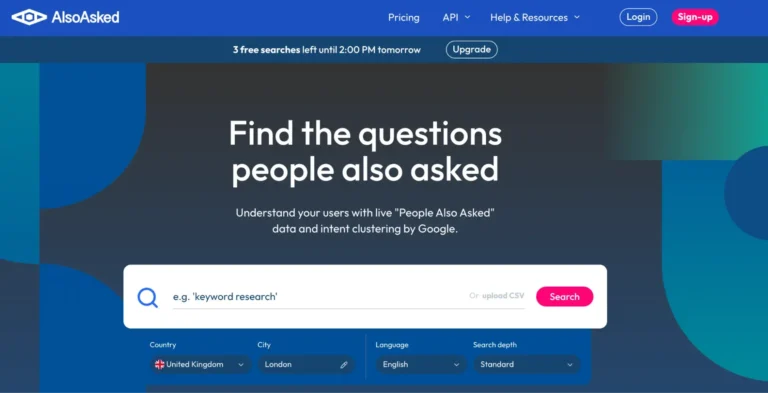
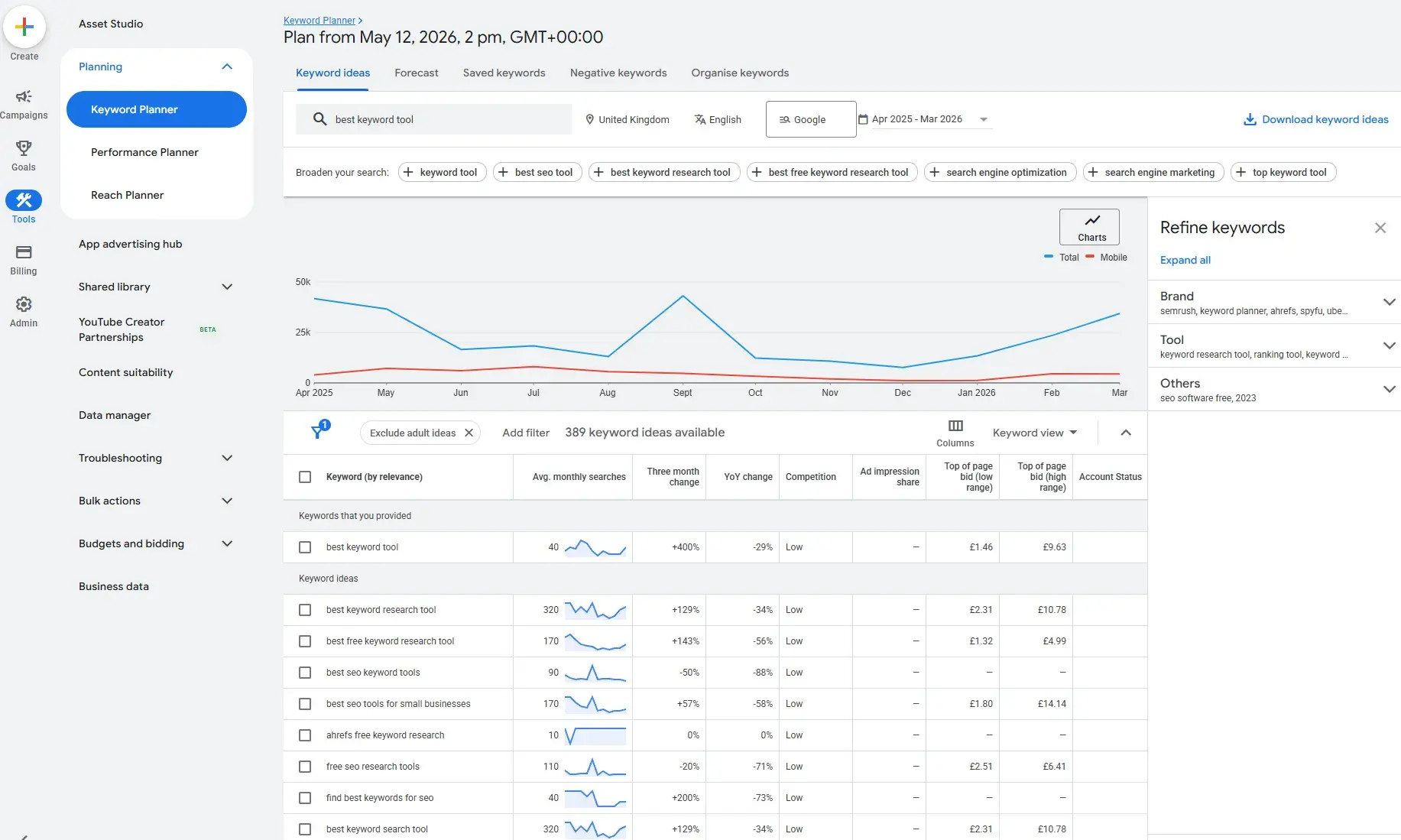
- Google Keyword Planner: This free tool, integrated with Google Ads, offers a solid starting point for keyword research, providing insights into search volume and competition. While primarily designed for paid advertising, its keyword data is highly transferable to SEO strategies. It is essential to note that while free to use, setting up a Google Ads account is a prerequisite.
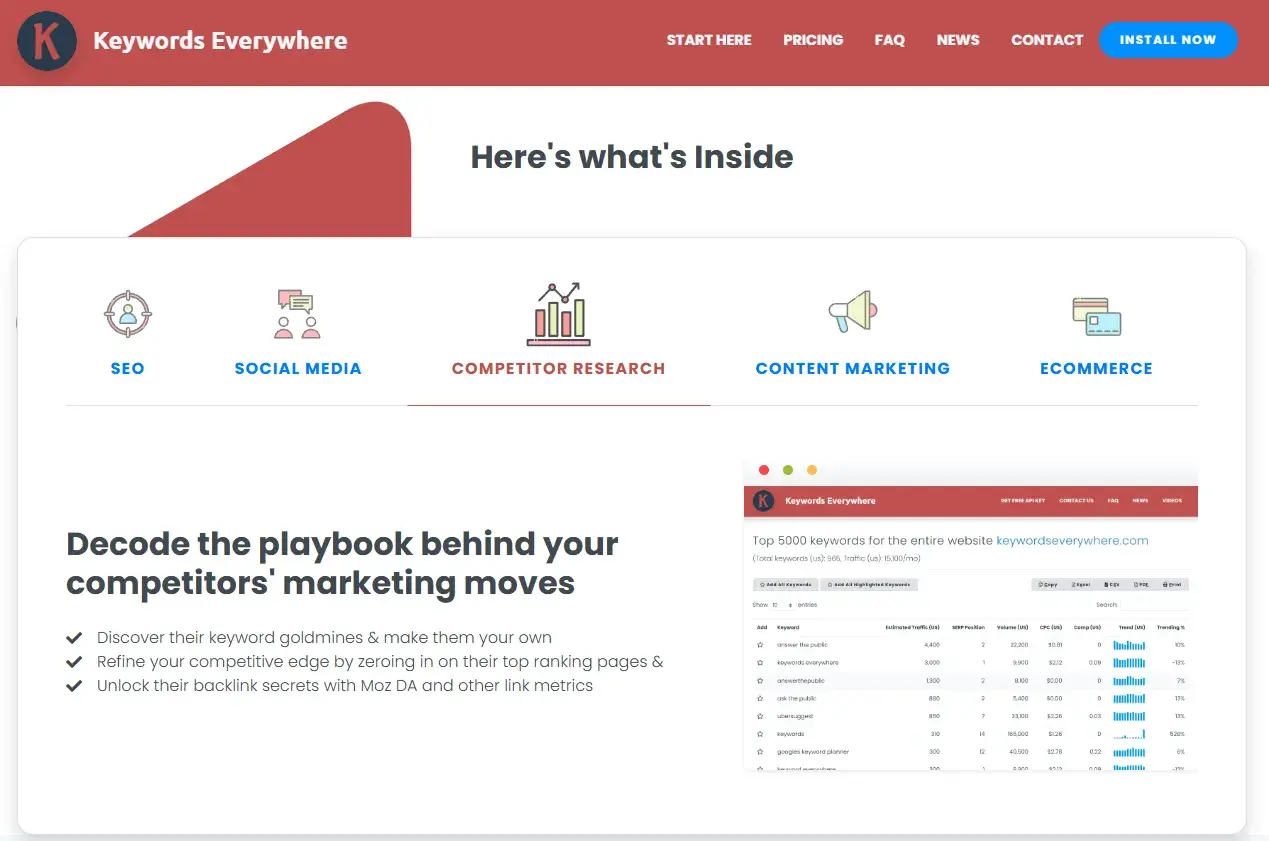
- Keywords Everywhere: This browser extension provides lightweight keyword insights directly within Google Search results pages, streamlining the research process. While now a paid tool, its affordability makes it an attractive option for continuous keyword exploration during daily browsing.
Technical SEO and Site Audit Tools
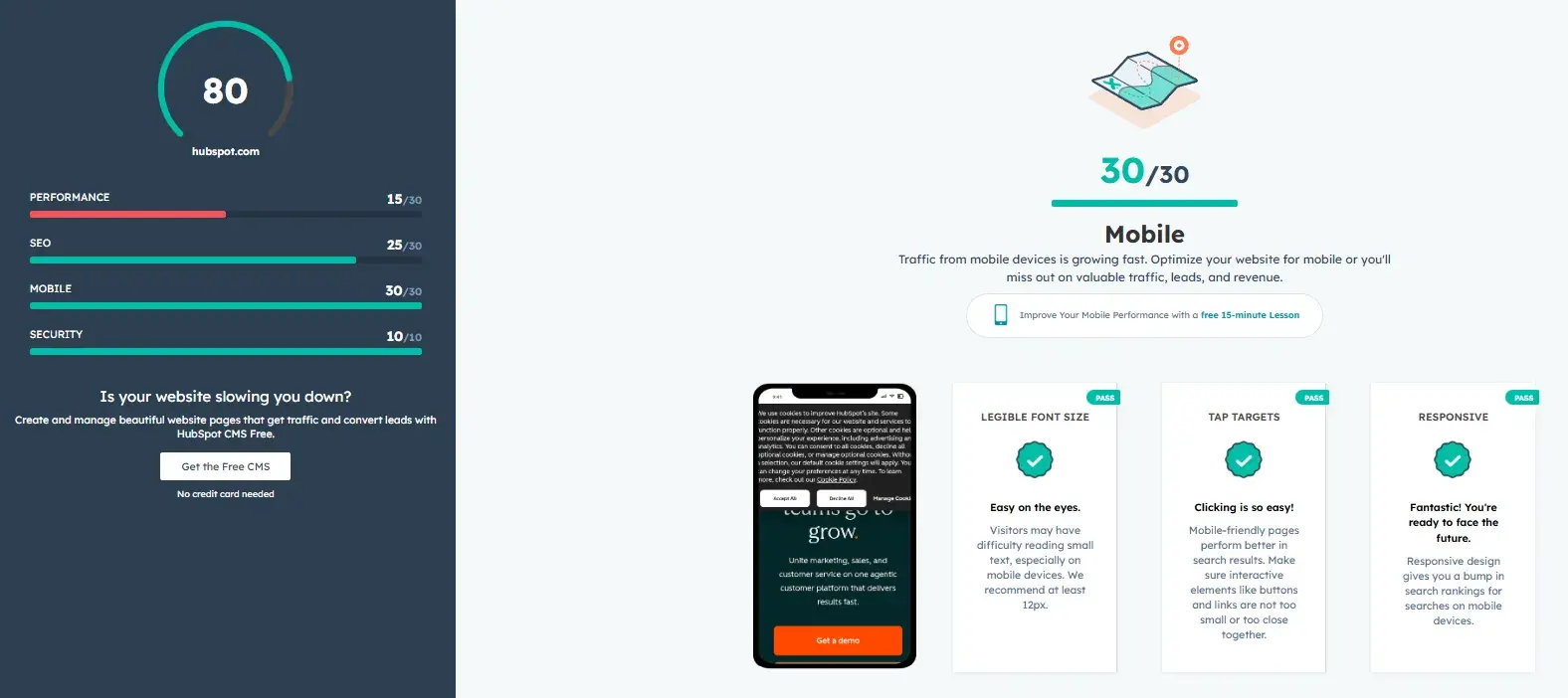
- HubSpot Website Grader: This perpetually free tool offers a straightforward technical audit, providing a clear snapshot of website performance, SEO, mobile readiness, and security. It delivers actionable recommendations in plain English, making it an ideal starting point for businesses new to technical SEO audits.
Rank Tracking Tools
- Google Search Console: An indispensable, free tool from Google, it provides crucial first-party data on site performance, search queries, and indexing status. The Performance report is particularly valuable for understanding average keyword positions and identifying areas for improvement.
Analytics and Reporting Tools
- Google Analytics 4 (GA4): The industry standard for website analytics, GA4 is free and offers comprehensive insights into user behavior, traffic sources, and site engagement. It provides the behavioral context necessary to understand how organic search traffic interacts with a website.
- Looker Studio (formerly Google Data Studio): This free data visualization tool allows businesses to create shareable dashboards by pulling data from GA4, Google Search Console, and other sources. It transforms raw data into easily digestible reports for stakeholders and clients.
The Transition Point: When Free Becomes Insufficient
As a business scales its marketing efforts and its SEO team gains more sophistication, the limitations of free tools can become apparent. Several signs indicate that it is time to consider investing in paid SEO solutions:
- Limited Data Granularity: Free tools may provide broad insights but lack the depth needed for advanced analysis and competitive benchmarking.
- Inability to Track Specific Keywords: While Google Search Console offers average position data, dedicated rank trackers provide more precise daily monitoring of targeted keywords.
- Lack of Competitive Analysis: Understanding competitor strategies and backlink profiles often requires specialized, paid tools.
- Difficulty in Scaling Outreach: Efficiently managing and scaling backlink outreach campaigns typically necessitates robust, paid platforms.
- Need for Advanced Technical Audits: While basic audits are covered by free tools, more complex technical issues require sophisticated crawling and analysis capabilities.
- Demand for Comprehensive Reporting: While Looker Studio is powerful, paid analytics platforms often offer more integrated reporting features and advanced attribution models.
Categorized Breakdown: Premium SEO Tools for Small Businesses
This section delves into essential paid SEO tools, categorized by their primary function, and provides guidance on when to upgrade from free alternatives.
Keyword Research Tools
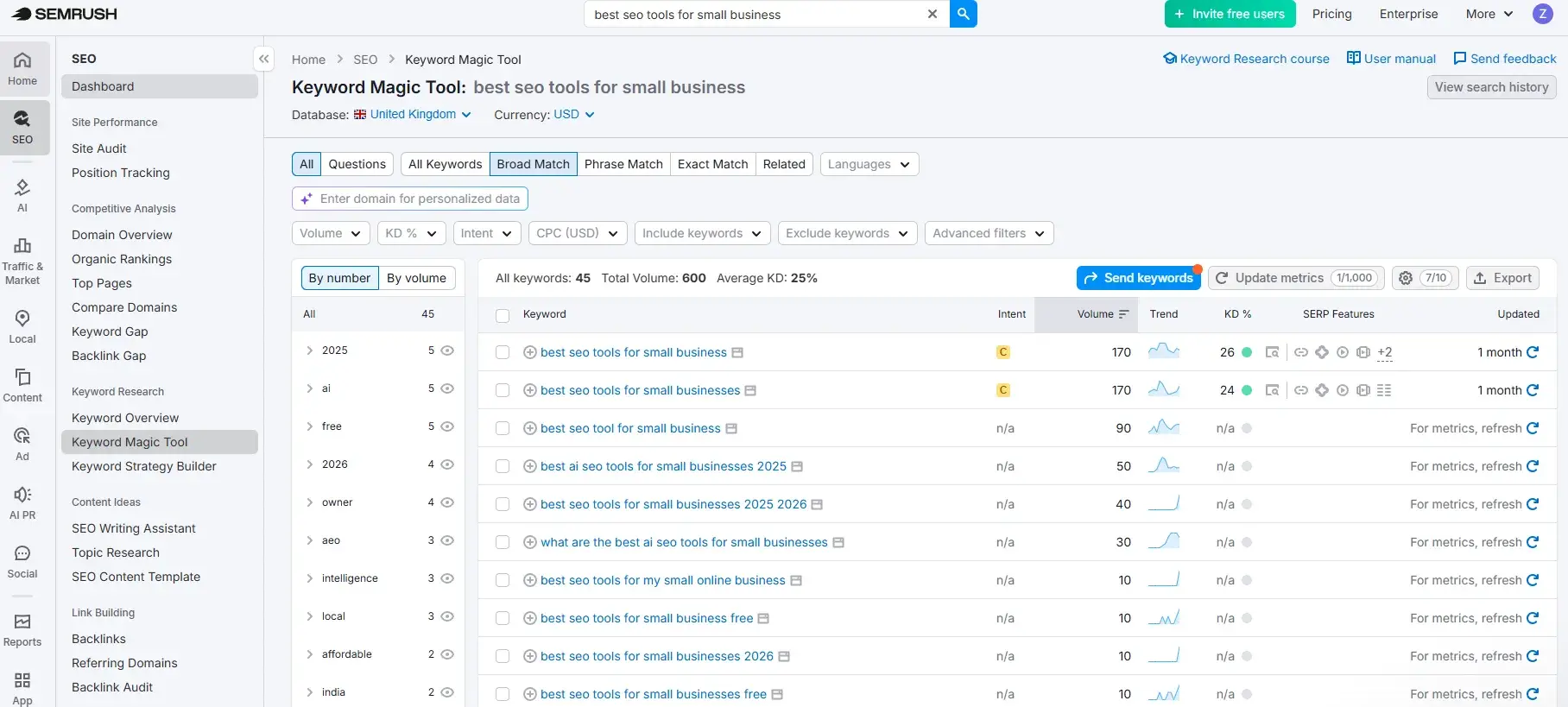
- Semrush: A comprehensive SEO platform, Semrush offers extensive keyword research capabilities, including access to a vast keyword database and intent filtering. Its free version is limited, but paid plans unlock advanced features crucial for competitive content strategies. Businesses should consider Semrush when they require multiple SEO functionalities in a single platform and are ready to invest in in-depth competitor analysis.
- Ahrefs: Renowned for its extensive backlink database, Ahrefs also excels in keyword research. Its Keyword Explorer provides detailed metrics, making it a powerful tool for identifying high-value keywords and content opportunities. Ahrefs is recommended for businesses serious about scaling their SEO efforts and requiring deep competitive intelligence.
Technical SEO and Site Audit Tools
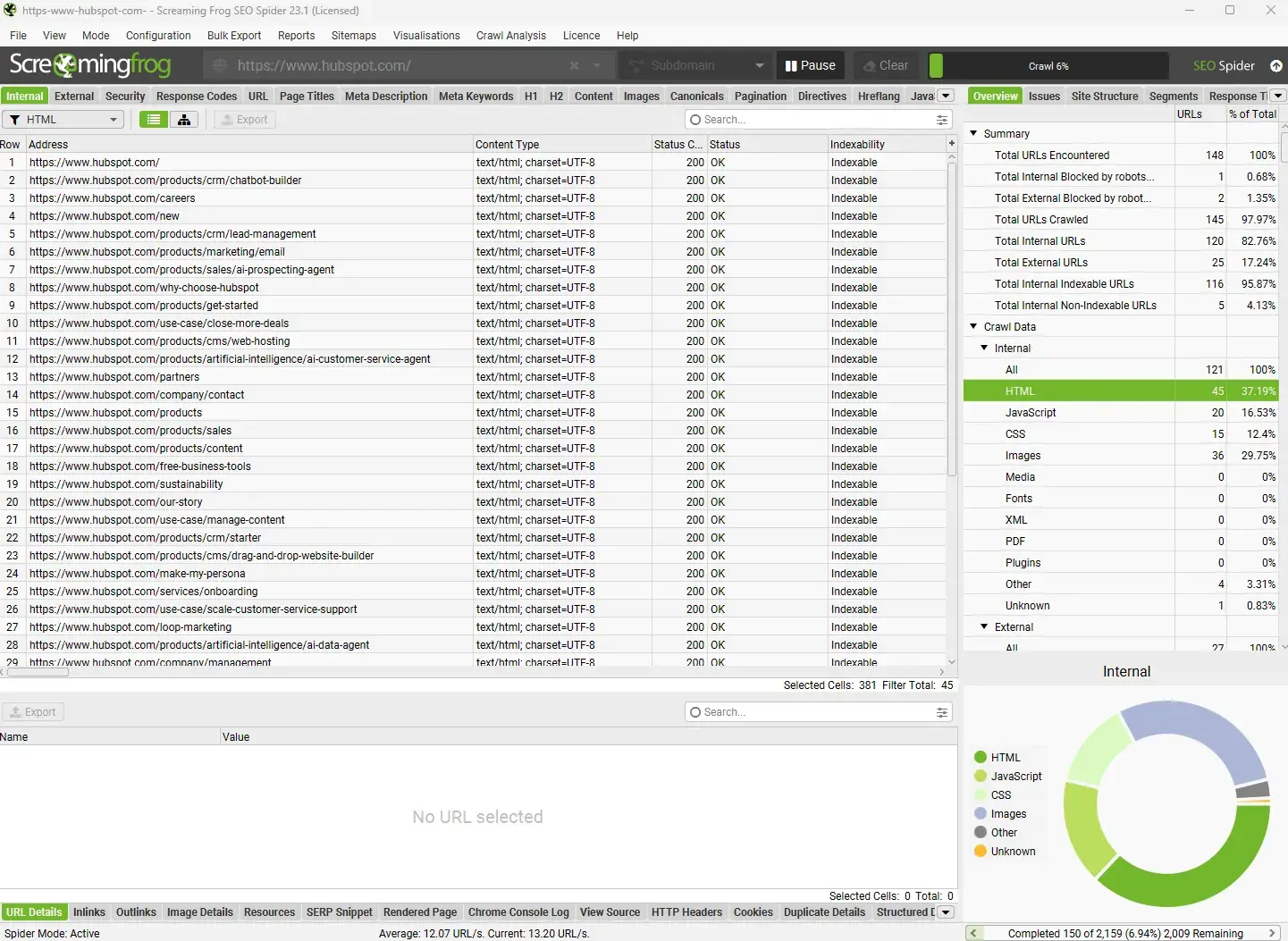
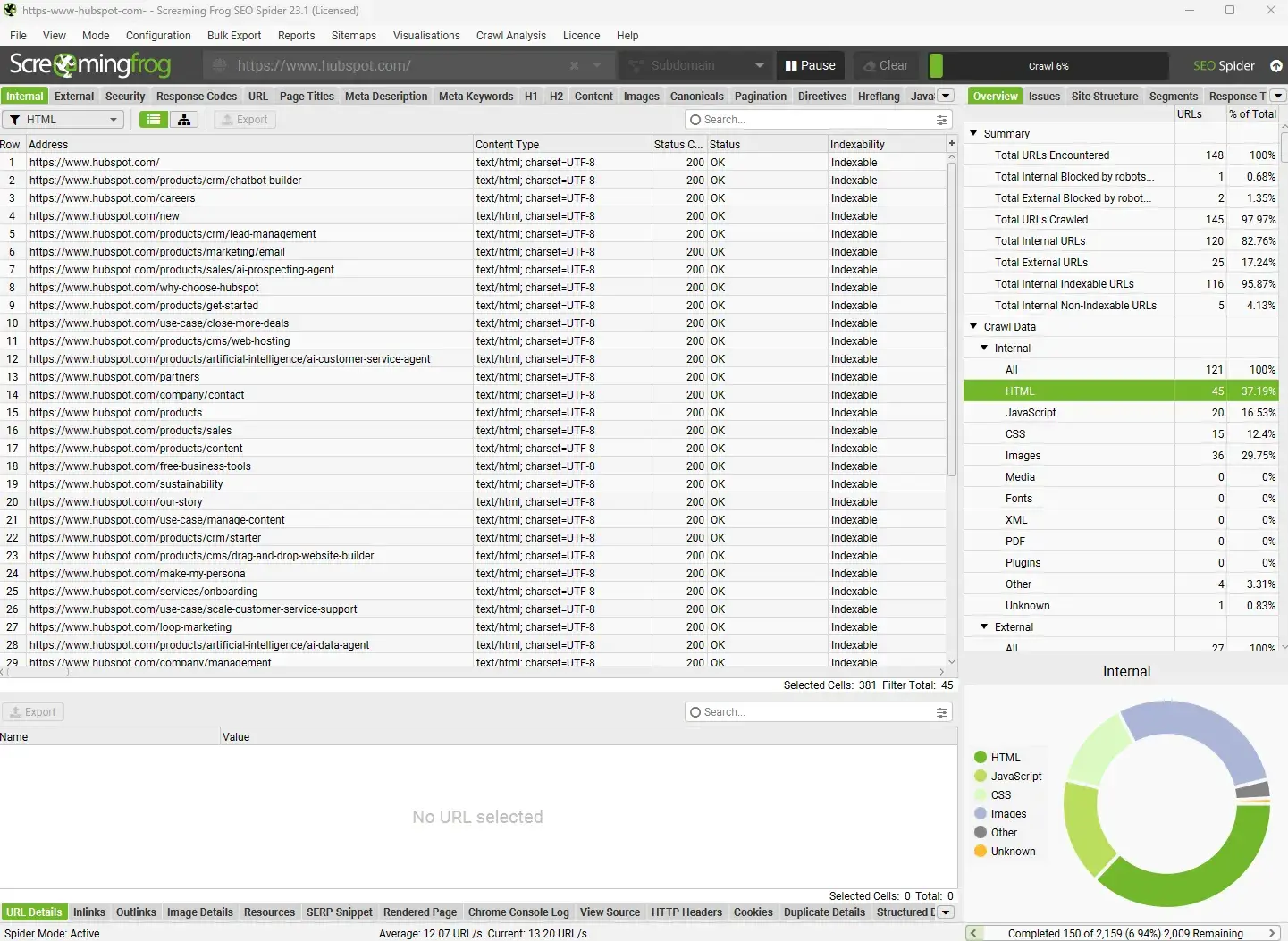
- Screaming Frog SEO Spider: This desktop-based crawler provides a detailed technical picture of a website, identifying issues with crawlability, indexing, metadata, and more. The free version is limited to 500 URLs, making the paid version essential for larger or growing websites. It’s particularly valuable when integrated with Google Analytics and Search Console for a holistic view of site performance.
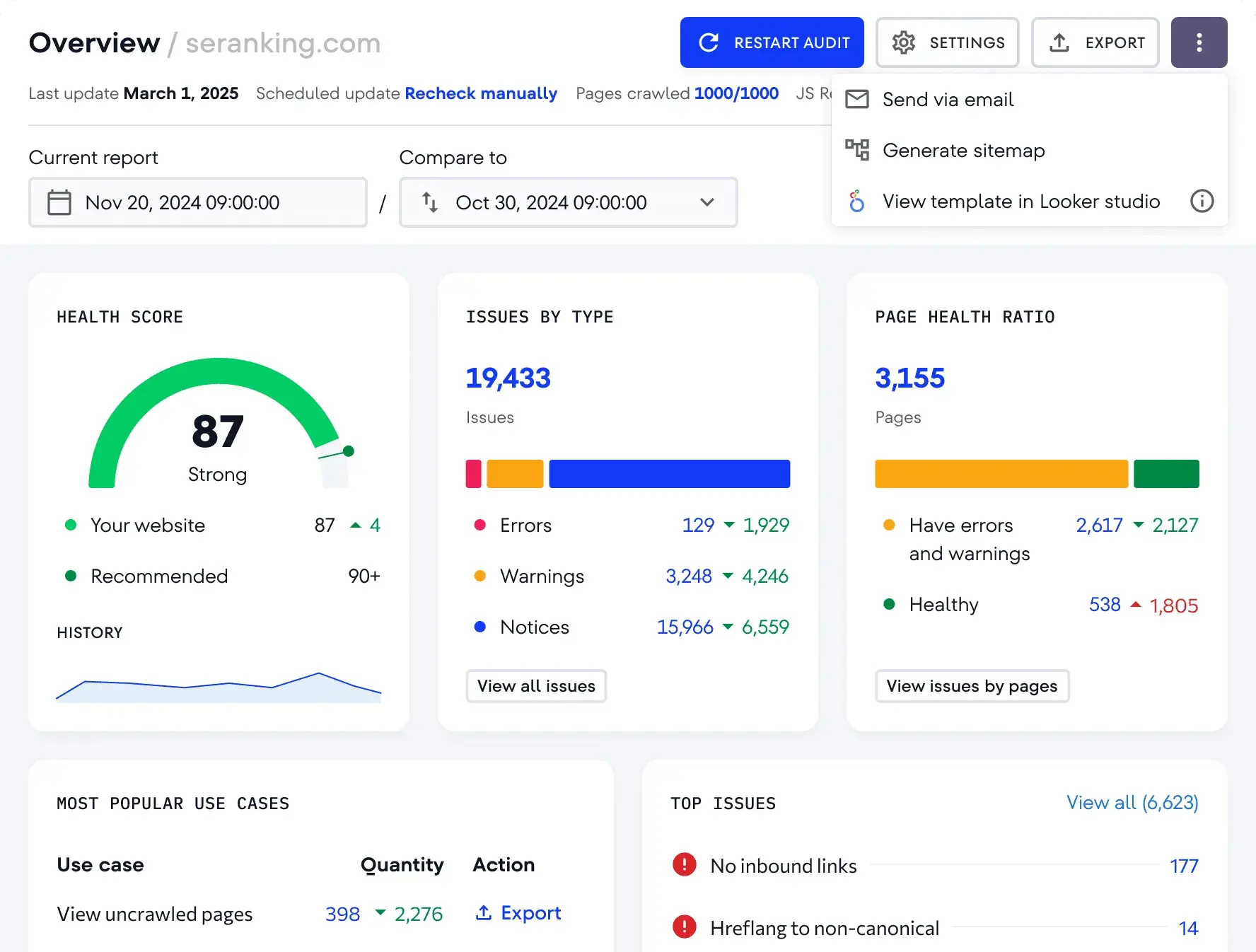
- SE Ranking: An affordable all-in-one SEO platform, SE Ranking offers robust technical auditing features that group issues by severity, allowing teams to prioritize fixes. It’s an excellent choice for lean teams seeking a cost-effective solution that includes comprehensive auditing capabilities.
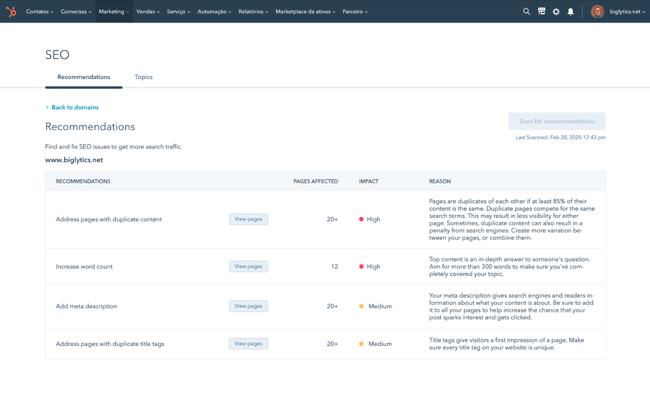
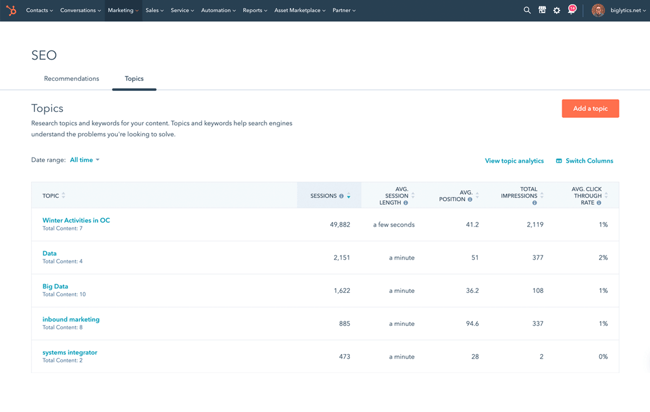
- HubSpot SEO Recommendations: Integrated within HubSpot’s Marketing Hub, these recommendations provide actionable technical SEO advice alongside content and ranking data. This makes it easier for teams to understand the impact of technical fixes and prioritize their efforts, especially for businesses already invested in the HubSpot ecosystem.
Content Optimization and On-Page Tools
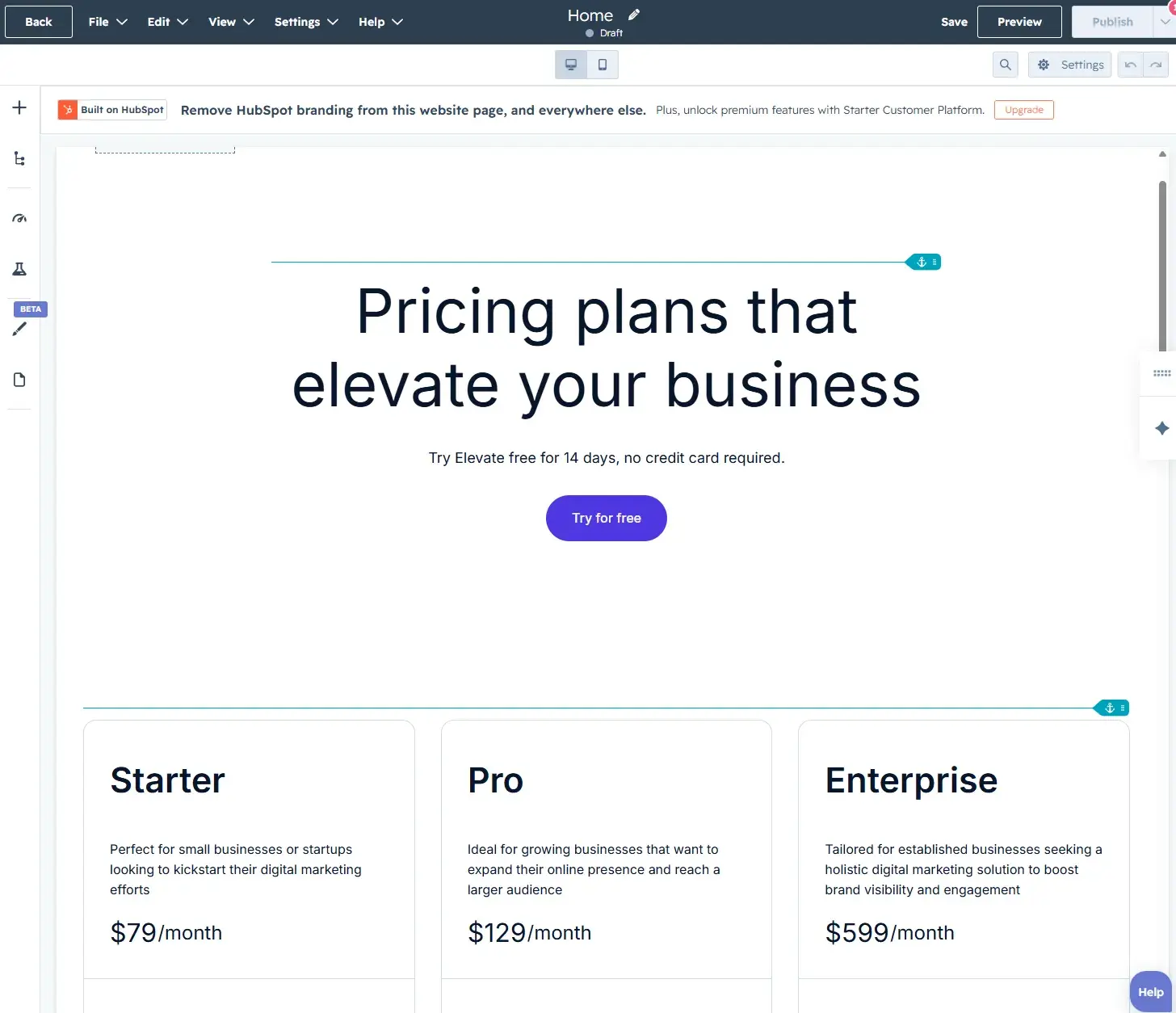
- HubSpot Content Hub: This platform unifies content creation, optimization, and performance tracking. For small businesses, it offers a drag-and-drop builder, AI-assisted content generation, and on-page optimization guidance, ensuring content is SEO-ready from inception. Its integration with the CRM allows for tracking content’s impact on leads and revenue.
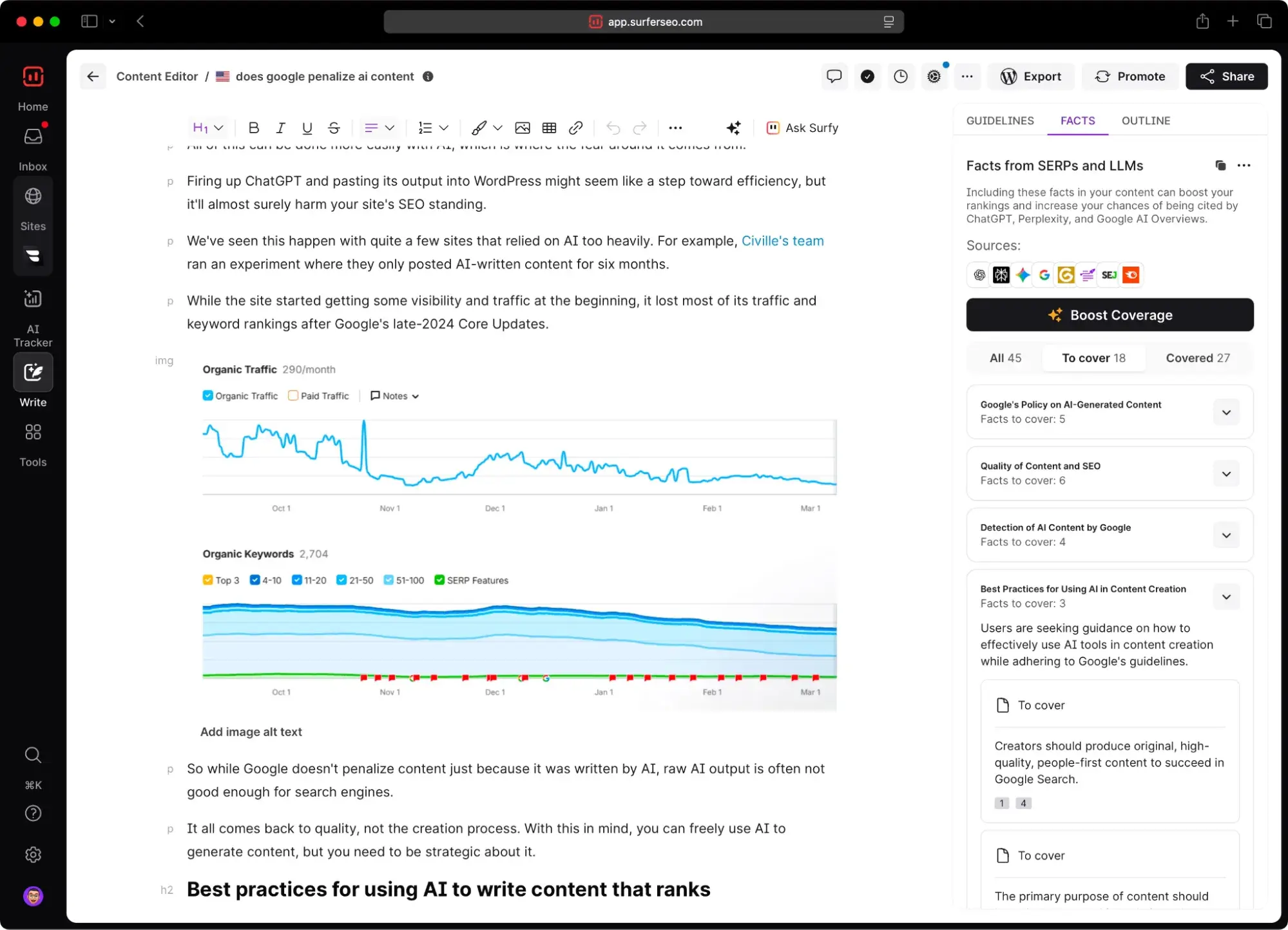
- Surfer SEO: A leading content optimization platform, Surfer SEO analyzes top-ranking pages for specific keywords to provide data-driven recommendations on word count, keyword density, and content structure. It is ideal for teams producing SEO content regularly and aiming to close the gap between existing content and SERP leaders.
Backlink Research and Outreach Tools
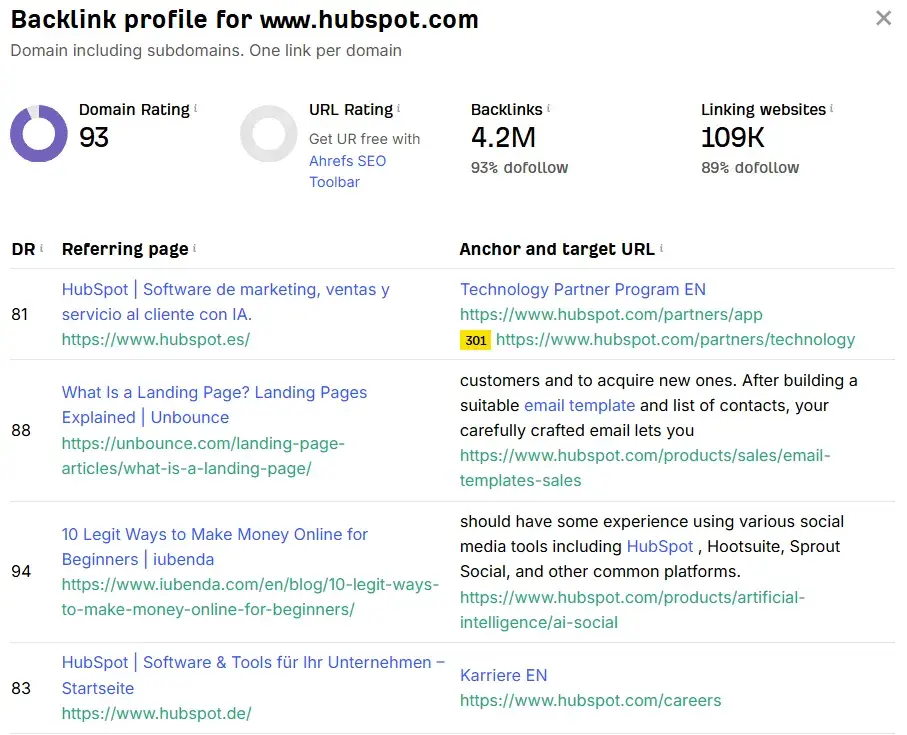
- Ahrefs: Beyond keyword research, Ahrefs offers one of the most comprehensive backlink analysis tools. Its vast and frequently updated link database allows businesses to understand their backlink profile, identify competitor link-building strategies, and prioritize outreach targets. It is a must-have for businesses actively engaged in link building.
- Majestic: A specialist in backlink analysis, Majestic provides granular link data and link quality scoring. It is a cost-effective option for businesses that need in-depth backlink intelligence without the broader feature set of all-in-one platforms.
Rank Tracking Tools
- SERPWatcher by Mangools: This dedicated rank tracking tool offers daily position updates and clear trend visualization for specific target keywords. It provides a more granular view than Google Search Console and is a user-friendly option for small businesses that need consistent monitoring of their keyword performance.
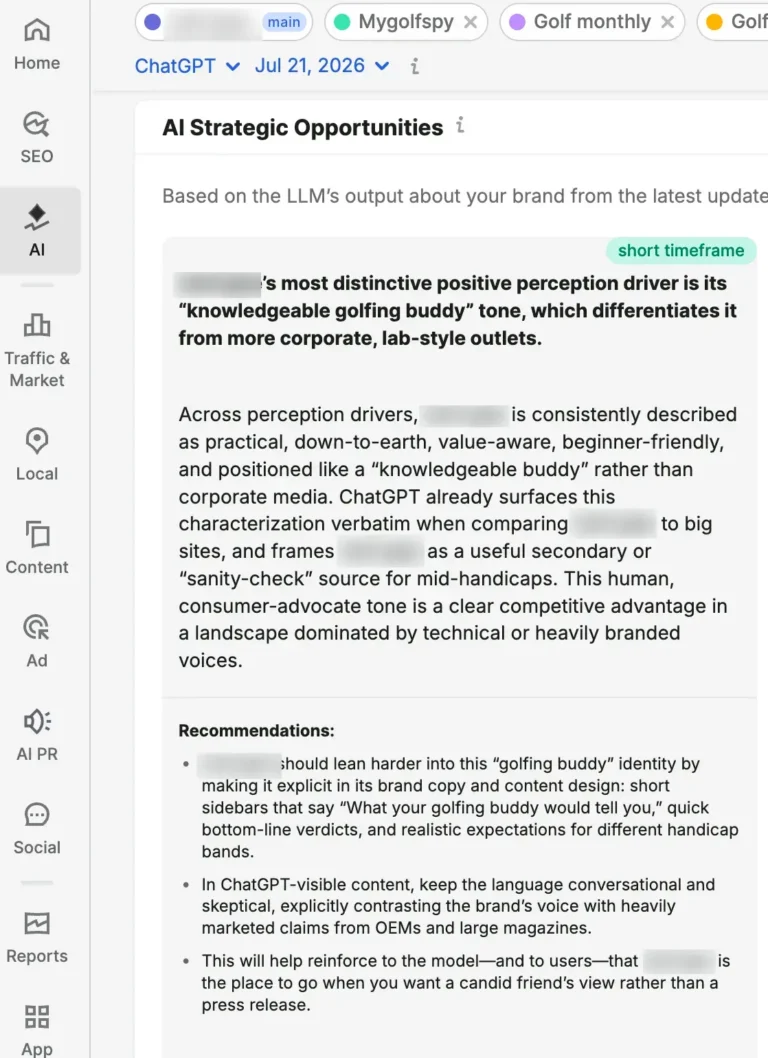
- HubSpot AEO (AI Engine Optimization): As AI-driven search becomes more prevalent, tools like HubSpot AEO are crucial for monitoring brand visibility in AI Overviews and generative AI answers. It tracks branded mentions, AI citations, and sentiment, offering a critical metric for future-proofing SEO strategies.
Local SEO Tools
- BrightLocal: This platform is purpose-built for local SEO, offering citation management, review monitoring, and local rank tracking. It is essential for businesses operating in competitive local markets where accurate listings and positive reviews are critical for visibility.
- Nightwatch: While offering broader SEO analytics, Nightwatch’s granular, location-based rank tracker is particularly valuable for businesses that need to monitor keyword positions at a highly specific geographic level. Its free Chrome extension, Search Stimulator, is also a useful tool for quick SERP analysis across different regions.
Analytics and Reporting Tools
- HubSpot Marketing Hub Analytics: This powerful tool connects SEO performance directly to leads, pipeline, and revenue. It moves beyond simple traffic metrics to show which content generates leads and contributes to sales, providing a clear line of sight to ROI for SEO investments. Its integration with the HubSpot CRM offers unparalleled attribution modeling capabilities.
The Evolution of SEO: Adapting to Answer Engines
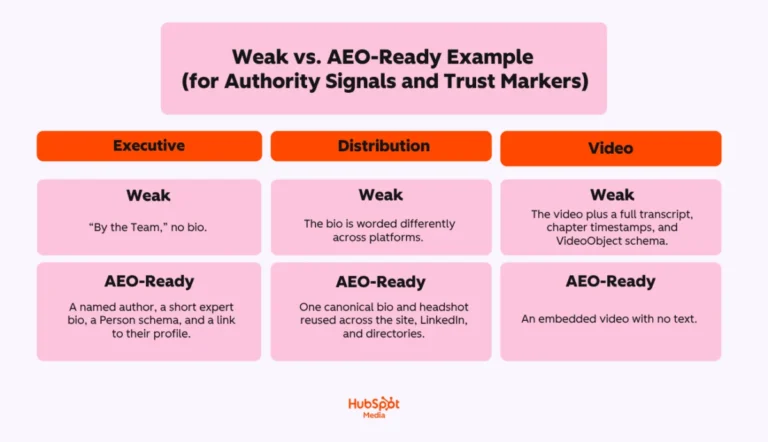
The advent of AI-powered search experiences, such as Google AI Overviews and conversational AI chatbots, necessitates a shift in SEO strategies. Answer Engine Optimization (AEO) focuses on ensuring content is surfaced, summarized, and cited within these AI-generated answers. Measuring AEO involves monitoring branded mentions, AI citations, query coverage, and visibility in AI Overviews. Tools like HubSpot AEO are becoming increasingly vital for understanding and adapting to this evolving search landscape, ensuring that businesses maintain visibility not only in traditional search results but also within the emerging answer engines.
Conclusion: Building a Future-Proof SEO Tech Stack
The selection of SEO tools for small businesses is a strategic imperative that directly influences their ability to compete and grow in the digital realm. By carefully aligning tool choices with specific business goals, prioritizing ease of use and integration, and understanding budgetary constraints, businesses can build a robust and effective SEO technology stack. While free tools offer an excellent starting point, the transition to paid solutions becomes crucial for scaling operations, gaining deeper insights, and adapting to the evolving search landscape, particularly with the rise of AI-driven search. Ultimately, the right SEO tech stack empowers businesses to make their SEO efforts measurable, actionable, and adaptable, ensuring long-term success and sustained growth.
About the Author