For years, data studies at Semrush, a prominent digital marketing software provider, followed a conventional, often ad-hoc approach. These significant research initiatives were typically conceived when inspiration struck or when time permitted, resulting in a limited output of perhaps one or two major reports annually. This reactive strategy, however, proved insufficient to meet evolving marketing objectives. The need to consistently generate attention, drive traffic and citations, and maintain a strong presence in the minds of their target audience necessitated a fundamental shift in their data study methodology. This led Semrush to re-evaluate and ultimately transform its approach, moving from sporadic, large-scale reports to a structured, programmatic function designed for sustained impact and continuous thought leadership.
The Imperative for a Programmatic Approach
The realization that a more robust strategy was required emerged from a confluence of factors. The digital landscape is increasingly saturated, making it challenging for any single piece of content, however impactful, to sustain visibility over time. Competitors are also rapidly adopting data-driven content strategies, making differentiation paramount. In this environment, Semrush recognized that the creation and dissemination of original data studies were not merely a content marketing tactic but a strategic imperative for establishing and solidifying their position as a trusted authority in the digital marketing space. This strategic pivot was not about producing a better single study, but about architecting an entire program that encompassed ownership, a proactive topic pipeline, a streamlined production process, and a dedicated distribution engine. This foundational shift laid the groundwork for consistent, high-impact thought leadership.
The Undeniable Value of Data-Driven Thought Leadership
High-quality, original data studies possess a unique power in content marketing: they create something that did not exist prior to their publication. In an era where content can be easily repurposed and AI-generated summaries are ubiquitous, original research offers a potent means of differentiation. Sharing well-supported opinions and actionable playbooks provides a distinct advantage. When these insights are underpinned by robust data, the impact is amplified, leading to several key benefits:
- Enhanced Credibility and Authority: Original data lends undeniable weight to assertions, positioning the brand as a knowledgeable and reliable source of information.
- Increased Backlinks and Media Mentions: Compelling data studies are a magnet for citations from other publications, researchers, and industry influencers, significantly boosting organic search visibility and brand reach.
- Sharper Brand Differentiation: In a crowded market, unique data insights help a brand stand out from competitors offering more generic advice or opinions.
- Deeper Audience Engagement: Original research often sparks curiosity and encourages deeper dives into findings, fostering more meaningful interactions with content.
- Improved Lead Generation and Customer Acquisition: Ultimately, the trust and authority built through data thought leadership translate into tangible business results beyond mere brand awareness.
Semrush’s experience illustrates this point directly. Since establishing data-driven thought leadership as an official program, the company has consistently attracted thousands of unique visitors to its research without any paid promotion. These studies have been instrumental in driving hundreds of registrations and have directly contributed to a substantial influx of new customers. This demonstrates that investing in a structured data study program can yield significant and measurable returns.

Architecting the Data Thought Leadership Program at Semrush
The transformation at Semrush involved a deliberate move away from sporadic, lengthy PDF reports towards an "always-on" program for data thought leadership. This shift was driven by the belief that this programmatic approach was the key to establishing themselves as genuine thought leaders. The process involved several critical steps:
Step 1: Elevating Data Studies to an Official Priority
The genesis of any successful program lies in its official recognition and prioritization. For a function like data thought leadership, which demands significant cross-functional collaboration and resource allocation, universal buy-in is crucial. At Semrush, two pivotal developments elevated data studies from an experimental endeavor to a core strategic initiative:
- Securing Executive Sponsorship and Dedicated Resources: This involved convincing leadership of the long-term strategic value of a programmatic approach to data studies, leading to the allocation of necessary budget and personnel. This commitment ensured that the initiative was not subject to the whims of short-term priorities.
- Formalizing Ownership and Accountability: Designating a clear owner, typically within the content or product marketing team, was essential. Critically, this also involved identifying and securing a dedicated resource from the data science department who could provide the necessary analytical expertise and bandwidth. This dual ownership model ensures both strategic direction and technical execution.
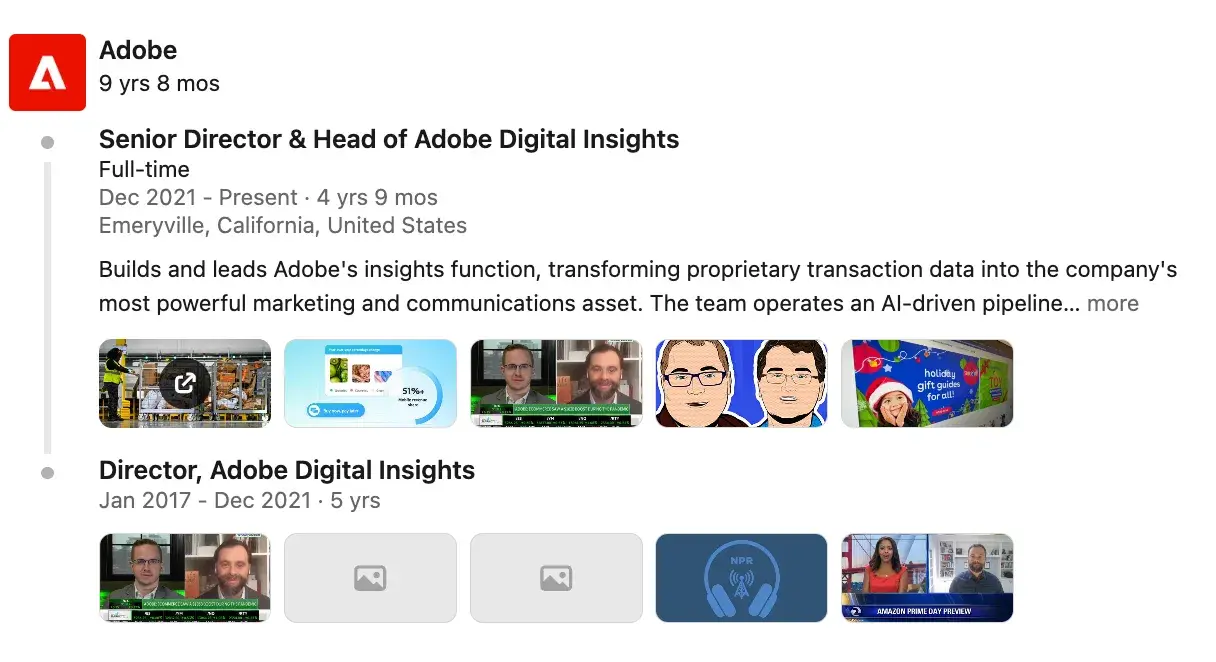
This commitment can manifest in various ways. Some organizations opt to build dedicated teams, mirroring the approach of entities like Adobe’s Digital Insights team, led by individuals like Taylor Schreiner. Such dedicated units possess the singular focus and specialized skills required to consistently produce high-caliber data research. Equally important is ensuring that other departments, including design, campaigns, and email marketing, are fully aware of the anticipated impact of these studies. This awareness allows for proactive prioritization of promotional activities, production support, and overall integration into broader marketing efforts.
Step 2: Crafting a Strategic Research Content Plan
To ensure data thought leadership delivers tangible business value, it must be strategically planned. This involves aligning research topics with overarching industry trends, core business priorities, the product roadmap, and crucially, the evolving needs and pain points of customers. A scattergun approach of simply generating interesting ideas is insufficient; the research must serve a defined purpose. Semrush’s approach to building quarterly research plans incorporates several key considerations:
- Industry Trends and Emerging Narratives: Identifying shifts in the digital marketing landscape and anticipating future developments.
- Business Objectives and Strategic Goals: Ensuring research directly supports Semrush’s overarching business aspirations and market positioning.
- Product Development and Roadmaps: Aligning research with upcoming product launches and feature enhancements to create synergy.
- Customer Pain Points and Unmet Needs: Directly addressing the challenges and questions that resonate most with their target audience.
- Competitor Landscape Analysis: Understanding what research is already prevalent and identifying opportunities for unique contributions.
The ultimate filter for topic selection is alignment. Does the proposed research topic reinforce Semrush’s core messaging, enhance its market positioning, and contribute to the desired brand perception? For instance, Semrush’s belief in the synergistic power of unifying SEO and AI visibility efforts directly informs their research agenda, as this viewpoint is central to their value proposition. This strategic alignment strengthens their overall narrative and the efficacy of their campaign assets.

A particularly effective method for uncovering relevant research questions is direct customer engagement. As a Product Marketing Manager, interviewing users regularly provided invaluable insights. A recurring question regarding the disparity between receiving citations and actual brand mentions led to a partnership with Kevin Indig, resulting in a significant study that addressed this specific "ghost citation problem." This proactive approach to uncovering customer challenges ensures that research is not only relevant but also addresses critical, often unspoken, industry issues.
Step 3: Ensuring Practical Value in Data Insights
A common pitfall in content marketing is producing data for its own sake. Publishing research without offering genuine practical value, surfacing novel insights, or prompting further inquiry can render the effort a wasted exercise. While original research is effective in earning links, mentions, and trust, the increasing volume of such content means proprietary data alone is often insufficient.
To overcome this, a two-pronged strategy is essential:
- Identify Unexplored Angles: Thoroughly research existing studies within the industry to pinpoint gaps and opportunities for novel perspectives.
- Provide Actionable Takeaways: Ensure each piece of research equips the audience with practical applications, offering playbooks, actionable insights, or guiding them towards different decision-making processes.
The fundamental principle of compelling content remains paramount: the data itself is not the sole value proposition. The true value lies in what the audience can understand or accomplish as a result of engaging with the research. Semrush prioritizes adding the "why, what, and how" to every published piece:
- The "Why": Clearly articulating the significance of the findings and their implications for the industry.
- The "What": Presenting the core data points and insights in a clear, digestible format.
- The "How": Providing actionable recommendations and guidance on how to apply the findings to real-world scenarios.
Without a clear "so what," data risks becoming mere noise, failing to resonate with the intended audience or achieve its strategic objectives.
Step 4: Designing a Robust Production Process
Establishing a clear and efficient production process, complete with Standard Operating Procedures (SOPs), is crucial for timely study releases, rapid adaptation to emerging trends, and maintaining a competitive edge. One of the most significant challenges faced by Semrush was improving their output speed. Study ideas often languished in the backlog for months, leading to missed opportunities to be the first mover and allowing competitors to publish similar analyses. To mitigate this, Semrush implemented several key strategies:
- Developing a Study Intake and Briefing Process: Standardizing how new study ideas are submitted, vetted, and documented, ensuring all necessary information is captured from the outset.
- Creating a Production Workflow and Timeline: Mapping out each stage of the research process, from data collection and analysis to writing, design, and publication, with clearly defined timelines.
- Establishing a Review and Approval Cycle: Implementing a structured review process to ensure accuracy, clarity, and adherence to brand standards.
- Building a Content Calendar for Studies: Integrating data studies into the broader editorial calendar to ensure coordinated promotion and alignment with other content initiatives.
The specific workflows are often adapted to the nature of the research. Semrush categorizes its studies into four primary types:
- Studies Requiring the Data Science Team: These demand a formal intake process and a comprehensive brief to ensure efficient collaboration with the data science department.
- Collaborations with Industry Experts: Partnering with external analysts and thought leaders, like Kevin Indig, brings a fresh perspective and significantly expands reach within relevant communities.
- Studies Marketers Can Run Themselves: These include surveys and lightweight analyses that can be executed without requiring extensive engineering or data science resources.
- Co-branded Studies with Other Companies: While more time-consuming, these collaborations are highly rewarding, fostering valuable relationships and vastly increasing audience reach.
A prime example of a highly successful co-branded study is the research conducted with LinkedIn, which combined Semrush’s AI-citation data with LinkedIn’s content and engagement metrics. This unique combination provided an unparalleled lens on how AI tools resurface content and the underlying reasons. The resulting study, "AI is Studying Your LinkedIn Profile – and What It Finds May Decide Your Credibility," became Semrush’s most viral research piece to date. It garnered significant media attention, was extensively promoted by LinkedIn, widely shared by influencers and customers, and served as the foundation for numerous derivative content pieces. This demonstrates the immense power of strategic partnerships in amplifying research impact.
Step 5: Building a Powerful Distribution Engine
In today’s crowded digital content ecosystem, a robust distribution plan is non-negotiable. This is frequently where even the most exceptional research can falter. The key is to develop original hooks and tailored messaging for each study, coupled with a repeatable distribution process. Semrush’s successful distribution strategy includes:
- Pre-launch Teasers and Early Access: Generating anticipation and providing select individuals or groups with early access to build momentum.
- Targeted Outreach to Influencers and Media: Proactively pitching the research to relevant journalists, bloggers, and industry influencers who can amplify its reach.
- Leveraging Owned Channels: Utilizing Semrush’s blog, social media platforms, email newsletters, and in-app messaging to promote the study.
- Paid Promotion Strategy: Strategically allocating budget for paid social media campaigns and search engine marketing to reach a wider audience.
- Repurposing Content: Transforming the core findings of the study into various formats, such as infographics, social media snippets, webinar presentations, and shorter blog posts, to maximize engagement across different platforms.
The overarching goal is to ensure each study has a sustained life beyond its initial publication, continuing to drive value and visibility over time.

Step 6: Measuring Success Thoughtfully
Measurement of data thought leadership often falls into one of two extremes: either too much is measured, or not enough. The optimal approach lies in a balanced perspective. Data thought leadership often yields subtle indicators of success that are not always directly quantifiable in terms of immediate revenue. These can include a key individual from the Ideal Customer Profile (ICP) commenting on or sharing the research on LinkedIn, or a journalist referencing the brand in their reporting.
While studies can certainly generate leads and contribute to customer acquisition, this is rarely their primary optimization goal. A more sensible approach to tracking success involves focusing on metrics that reflect the program’s impact on awareness, authority, and engagement:
- Organic Traffic and Unique Visitors: Indicating the reach and discoverability of the research.
- Backlinks and Media Mentions: Quantifying the study’s impact on brand authority and external validation.
- Social Shares and Engagement: Measuring audience resonance and the virality of the content.
- Lead Generation and Conversions: While not the primary goal, tracking downstream leads and customers is valuable for demonstrating ROI.
- Brand Sentiment and Perception: Monitoring qualitative feedback and brand mentions to assess the impact on brand perception.
It is advisable to monitor downstream revenue, including new Monthly Recurring Revenue (MRR) and cross-sell MRR, where traceable. However, this should not be the sole focus of data content measurement. The impact of a data program is cumulative, building over multiple releases. Therefore, allowing sufficient time for these effects to compound is essential for a true assessment of its long-term value.
Conclusion: Building a Sustainable Growth Channel
Data thought leadership solidifies its position as a potent growth channel when it is treated as a strategic program with clear ownership, a topic pipeline aligned with brand strategy, a repeatable production process, and a meticulously planned distribution engine. The journey does not require all these components to be in place from day one. Starting with a single experimental initiative, proving its efficacy, and then systematically building the supporting infrastructure around proven successes is a pragmatic and effective approach.
The most crucial lesson learned by the Semrush team is that even unique content like original studies can quickly become commoditized as competitors recognize their value. True differentiation, unwavering prioritization of customer value, and the ability to connect the dots between data insights and the broader industry narrative are paramount to ensuring research remains relevant and impactful in the long term. By embracing a programmatic, strategic approach, organizations can transform their data studies from isolated content pieces into a sustainable engine for growth and enduring thought leadership.
About the Author