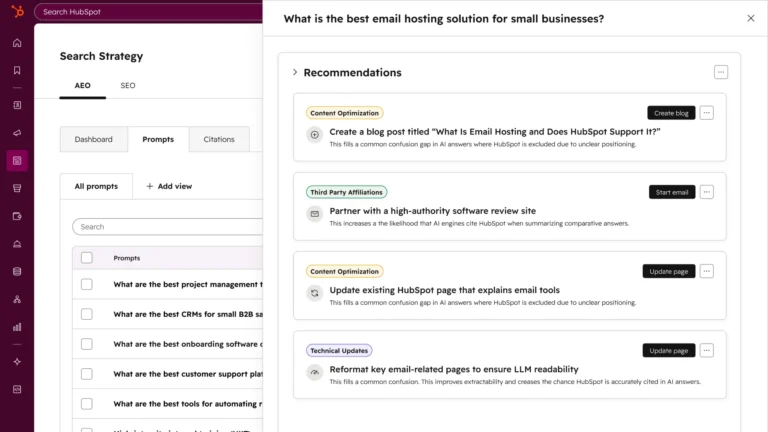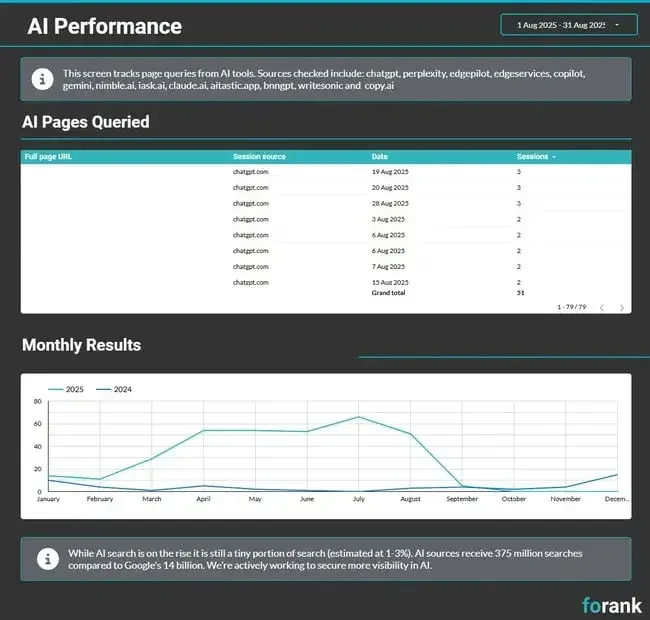
The rapid advancement of Artificial Intelligence (AI) has sparked widespread speculation about the future of Search Engine Optimization (SEO). However, emerging data suggests that AI is not a threat to SEO but rather a catalyst for its evolution, underscoring the continued indispensability of SEO tools for marketers. A recent HubSpot survey revealed that a significant 27% of marketers identified their website, blog, and SEO as the highest ROI channels for the current year, a testament to SEO’s enduring impact. While the landscape of SEO has undoubtedly transformed, its core principles remain crucial for a successful marketing strategy. Achieving this success hinges on a robust strategy, timely execution, stakeholder alignment, and compelling reporting that demonstrably proves the channel’s value. At the heart of this endeavor lies the selection of optimal SEO marketing software – a suite of tools that propels business growth without imposing an undue financial burden.
The Evolving Role of SEO in the AI Era
The integration of AI into search engines and content creation processes has fundamentally altered how users interact with information online. AI-powered chatbots and generative AI tools can now provide direct answers to queries, bypassing traditional search engine results pages (SERPs) in some instances. This shift has led some to question the relevance of traditional SEO tactics. However, AI itself relies on vast datasets and algorithms, which are themselves influenced by the principles of discoverability and relevance that SEO has long championed. Therefore, rather than diminishing SEO’s importance, AI’s rise necessitates a more sophisticated and data-driven approach to optimization. Marketers must adapt by understanding how AI interprets and synthesizes information, ensuring their content is not only discoverable by search engines but also digestible and valuable to AI models that may summarize or present it.

Identifying Essential SEO Tools for Current Needs
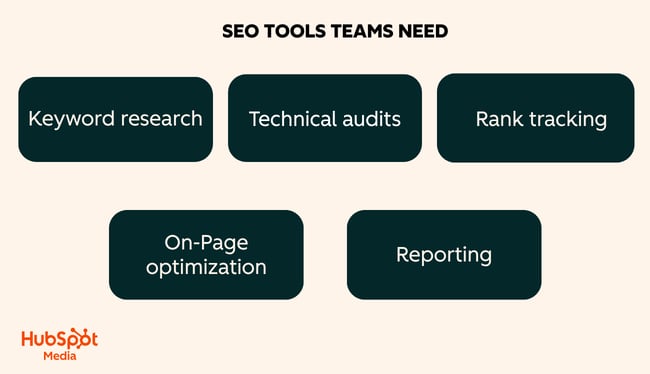
The challenge for many marketing teams is navigating the crowded market of SEO tools, many of which offer overlapping functionalities. The objective is to assemble a cohesive toolset that effectively addresses the five fundamental pillars of SEO: keyword research, technical audits, rank tracking, on-page optimization, and reporting. The goal is to achieve comprehensive coverage using the fewest tools possible to manage costs while maintaining high quality.
Keyword Research: The Foundation of Content Strategy
Keyword research remains the cornerstone of any effective SEO initiative. It dictates the content that will be created and the specific search terms a page will be optimized to rank for. Advanced SEO tools provide invaluable insights into search volume, competition levels, and related terms, saving countless hours of manual research. These tools facilitate topic clustering and intent analysis, enabling marketers to group related keywords and understand user intent – whether they are seeking information, comparing products, or ready to make a purchase. Targeting the wrong intent, even for a high-volume keyword, can lead to content that ranks but fails to convert.
Technical Audits: Ensuring Search Engine Accessibility
Technical SEO encompasses the crucial backend elements that allow search engines to crawl, index, and accurately interpret a website. SEO tools are indispensable for conducting technical audits, scanning for issues such as broken links, duplicate content, slow loading speeds, and indexing errors that are virtually impossible to detect manually on a large website. These tools identify crawl errors, Core Web Vitals problems, and schema markup issues, all of which can significantly impede the effectiveness of keyword research and content optimization efforts. A technically sound website is the bedrock upon which all other SEO strategies are built.

Rank Tracking: Measuring Performance Over Time
Rank tracking provides a clear view of a page’s performance in search results over time, enabling marketers to connect their SEO efforts to tangible outcomes. Automated rank tracking tools monitor keyword positions, flagging significant shifts that could indicate emerging problems or opportunities. Effective rank tracking extends beyond a single average ranking, considering variations by location, device, and the presence of SERP features like local packs and featured snippets. This granular data is essential for understanding the true impact of SEO campaigns.
On-Page Optimization: Refining Content for Relevance
On-page optimization focuses on elements directly within a webpage, including titles, headers, body content, internal links, and image alt text. SEO tools assist in this process by scoring content against top-ranking pages, suggesting relevant terms to incorporate, and highlighting missing elements like meta descriptions. On-page signals are critical for search engines to determine content relevance, and even minor adjustments can yield substantial improvements in visibility.
Reporting: Demonstrating SEO’s Business Impact
Effective reporting is vital for demonstrating the value of SEO to stakeholders, often determining whether an SEO program receives continued investment. SEO tools aggregate traffic, ranking, and conversion data into comprehensive dashboards that can be easily understood by non-SEO professionals. Given that SEO results often take time to materialize, consistent and clear reporting is essential for maintaining stakeholder patience and engagement.
Evaluating SEO Tools: A Strategic Approach
When selecting SEO tools, it’s important to consider their ability to cover the five core SEO functions without unnecessary duplication or excessive cost. The following sections explore various tools, categorized by their primary strengths, to help marketers build an effective and cost-efficient SEO stack.
Free Optimization Tools: A Strong Starting Point
For marketers on a budget or those just beginning their SEO journey, several free tools offer powerful capabilities.
HubSpot Website Grader: Comprehensive Site Analysis
HubSpot’s Website Grader is a free tool that provides a holistic assessment of a website across four key areas. By inputting a URL and email address, users receive an immediate score out of 100, accompanied by a detailed breakdown of strengths and weaknesses. Crucially, each identified issue comes with actionable recommendations, making it accessible even for those without deep technical expertise. Its recurring health check capability is particularly valuable for monitoring site performance, especially after significant changes.
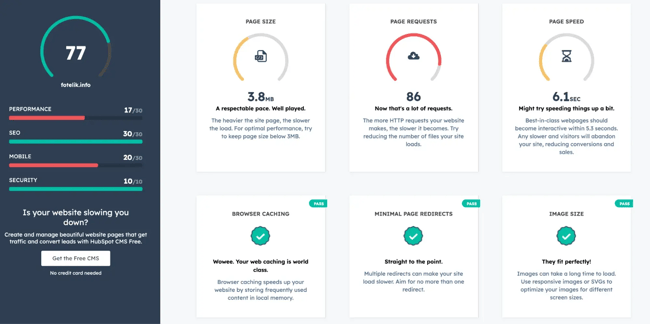
What’s Praised: The tool’s clarity in identifying problems and providing specific solutions makes it invaluable for non-technical teams, translating complex issues into actionable next steps.
Google Search Console: Direct Insights from the Source
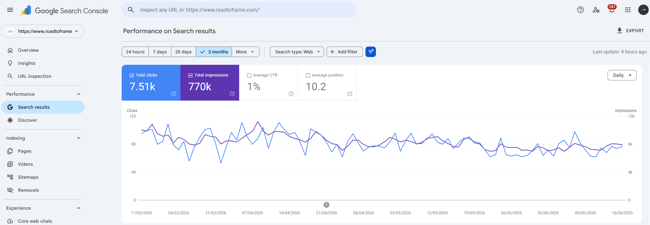
Google Search Console (GSC) is a free, essential tool from Google that offers direct insights into a website’s performance within Google Search. By leveraging Google’s own index and ranking data, GSC eliminates the guesswork associated with third-party estimations. Its key features include performance reporting, URL inspection, index coverage, and site map submission, providing a direct line of communication with Google’s search engine.
What’s Praised: GSC’s reporting of actual data, rather than estimates, makes it the definitive source for understanding website performance in Google Search. When paired with tools like "Search Analytics for Sheets," it allows for in-depth keyword research based on existing site visibility.
Reporting and SEO Management Tools: Connecting to Revenue
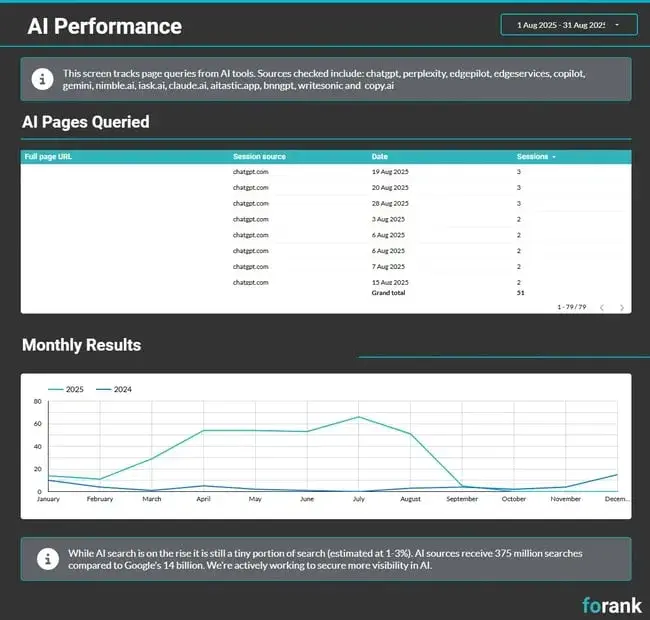
To justify SEO investment, demonstrating its impact on revenue is paramount. Reporting and SEO management tools play a critical role in this by providing dashboards, automated reports, and CRM integration.
HubSpot Marketing Hub SEO Reporting: Integrated Performance Tracking
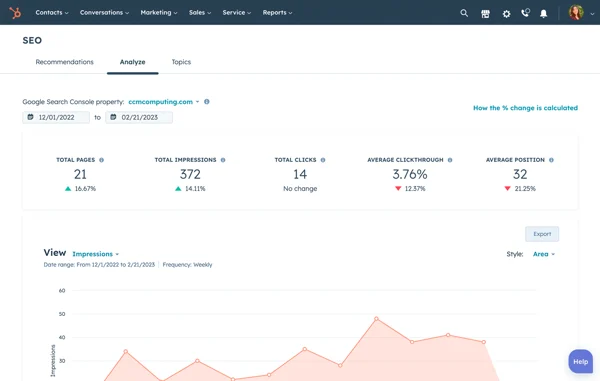
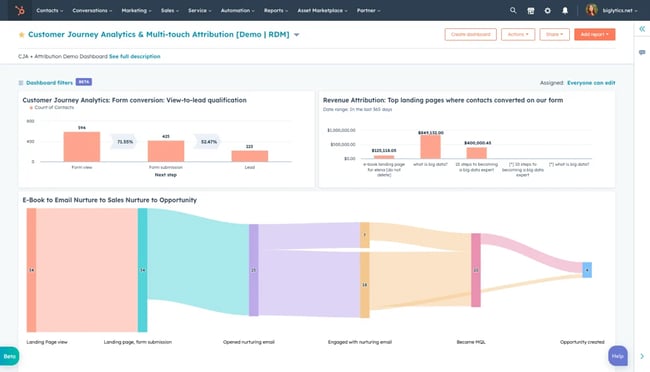
HubSpot’s Marketing Hub offers integrated SEO reporting within the same platform where content, campaigns, and CRM data reside. This integration eliminates a significant friction point in proving SEO’s impact by connecting organic performance directly to leads, deals, and revenue generated. Unlike fragmented approaches, Marketing Hub traces the journey from a blog post or landing page to its influence on closed revenue, all within a unified dashboard. This capability transforms SEO from a cost center into a demonstrably profitable channel.
What’s Praised: The direct link between SEO performance and CRM data within HubSpot enables sophisticated reporting that ties directly to actual customers and revenue, providing a clear understanding of profitability beyond vanity metrics.
Google Analytics: Holistic Visitor Behavior Analysis
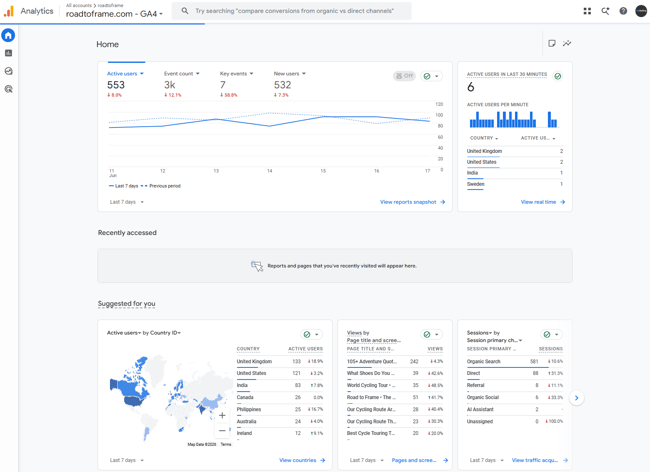
Google Analytics (GA4) is Google’s free analytics platform, offering a comprehensive view of user interaction with a website across all channels. While SEO tools focus on search visibility, GA4 provides a broader context of user behavior. It’s crucial for evaluating content performance holistically, identifying valuable content that may not excel in SEO metrics alone but still drives significant traffic.
What’s Praised: GA4’s free accessibility and its ability to provide a broader picture of content performance, especially when integrated with tools like Data Studio for real-time reporting, are invaluable for a complete marketing understanding.
Data Studio (formerly Looker Studio): Dynamic Dashboard Creation
Data Studio (now Looker Studio) is Google’s free reporting tool that aggregates data from multiple sources into dynamic, shareable dashboards. Its ability to update automatically reduces manual reporting efforts, allowing teams to focus on analysis and commentary.
What’s Praised: The automation of report generation significantly streamlines the reporting process, providing clients with consistent, up-to-date insights without additional manual labor.
Keyword Research Tools: Discovering Audience Intent
Effective keyword research tools are essential for understanding what users are searching for and how to align content accordingly.
HubSpot’s SEO Tool (Topic Clusters): Strategic Content Planning
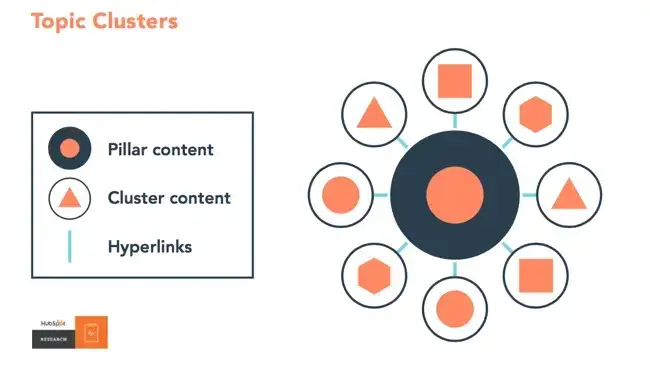
HubSpot’s SEO tool, integrated within Marketing Hub, emphasizes a topic cluster approach to keyword research. Instead of treating keywords in isolation, it encourages organizing content around central pillar pages supported by related subtopic content. This strategy aligns with search engines’ increasing focus on topical authority and depth. The tool provides search volume and difficulty data for subtopic keywords, aiding in prioritization and planning.
What’s Praised: This tool excels at managing content strategy at scale by visualizing topic clusters, identifying gaps, and reinforcing a strategic focus on topical depth over isolated keyword optimization, which is increasingly vital for AI search engines.
Semrush: An All-Encompassing SEO Platform
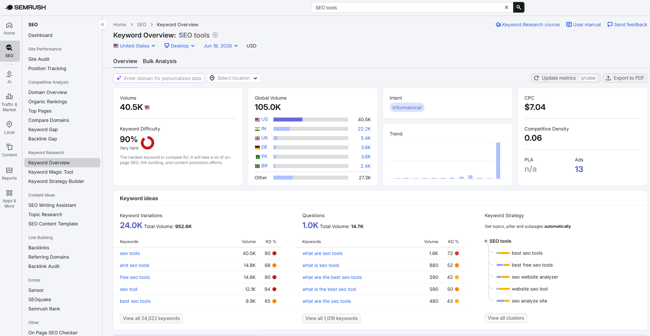
Semrush is a comprehensive enterprise-grade SEO platform offering advanced features for keyword research, content gap analysis, and AI-powered content outlines. Its robust keyword research capabilities include search volume, difficulty, intent analysis, and competitor insights, streamlining the entire SEO workflow from discovery to execution.
What’s Praised: Semrush’s user-friendly interface and its ability to cover the entire spectrum of SEO needs—from keyword research and backlink analysis to site auditing—make it a highly favored tool for professionals.
Keywords Everywhere: Affordable Keyword Data Overlay
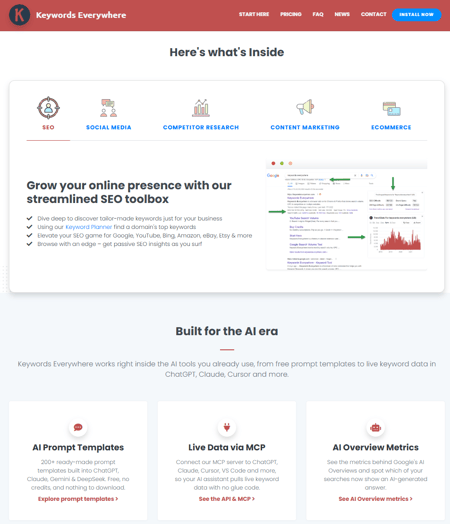
Keywords Everywhere is a cost-effective browser extension that overlays keyword data, including search volume and related terms, directly onto search engine results pages. Its affordability makes it an attractive option for individuals and small teams seeking quick access to essential keyword metrics.
What’s Praised: The tool’s low price point and its convenience of displaying keyword data directly within search results make it an accessible and practical resource for many users.
On-Page SEO Tools: Optimizing Content for Rankability
These tools help bridge the gap between writing content and creating content that is optimized for search engines.
Content Hub and Breeze Assistant: AI-Assisted Content Creation
HubSpot’s Content Hub, with its integrated AI assistant Breeze, offers a unique approach to on-page optimization. Breeze assists in the writing process by drafting sections, suggesting edits, and summarizing research directly within the content editor. This integrated approach ensures that SEO guidance, such as keyword usage and internal linking opportunities, is visible as content is being created. The platform’s connection to HubSpot’s CRM allows for direct tracking of published content’s impact on leads and revenue.
What’s Praised: The seamless integration of AI assistance within the human writing process allows for efficient content creation while maintaining accuracy and brand voice, acting as a co-pilot rather than a full replacement for human input.
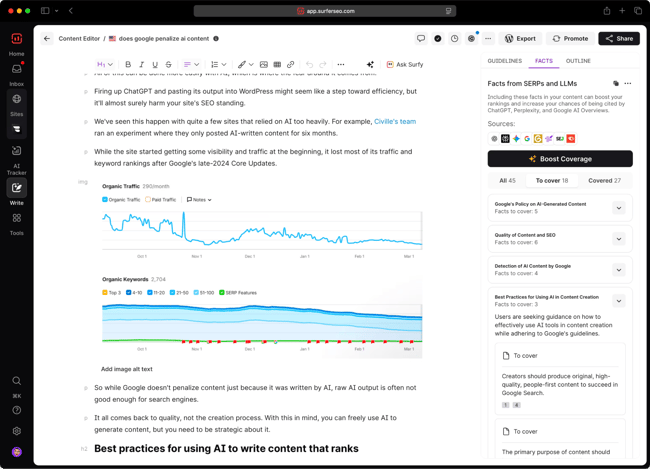
SurferSEO: Real-Time Content Optimization Scoring
SurferSEO analyzes top-ranking pages for a given keyword and provides actionable recommendations within a live editor. This tool simplifies content optimization by offering clear guidance on elements to include, making SEO accessible to writers who may not have deep SEO expertise.
What’s Praised: SurferSEO makes SEO more approachable for beginners by integrating recommendations directly into the writing workflow, bridging the gap between SEO best practices and effective content creation.
Technical SEO Tools: Diagnosing and Fixing Site Issues
Technical SEO tools are crucial for identifying and resolving the behind-the-scenes issues that can hinder search engine visibility.
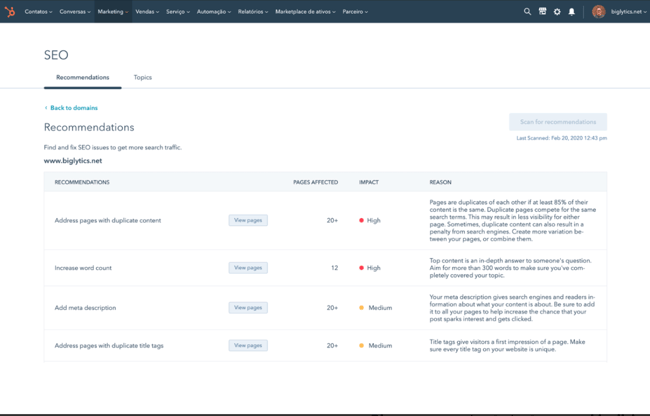
HubSpot’s SEO Recommendations: Prioritized Technical Fixes
HubSpot’s SEO recommendations tool scans entire domains and individual pages to identify on-page SEO factors affecting search visibility. It categorizes issues by impact and assigns them to either marketing or developer roles, streamlining the remediation process. Recommendations can be reviewed and tracked within the content editor, providing clear progress indicators.
What’s Praised: The tool’s ability to prioritize actions and assign them to specific roles is a significant advantage for non-technical SEO teams, removing ambiguity about who should address which issue.
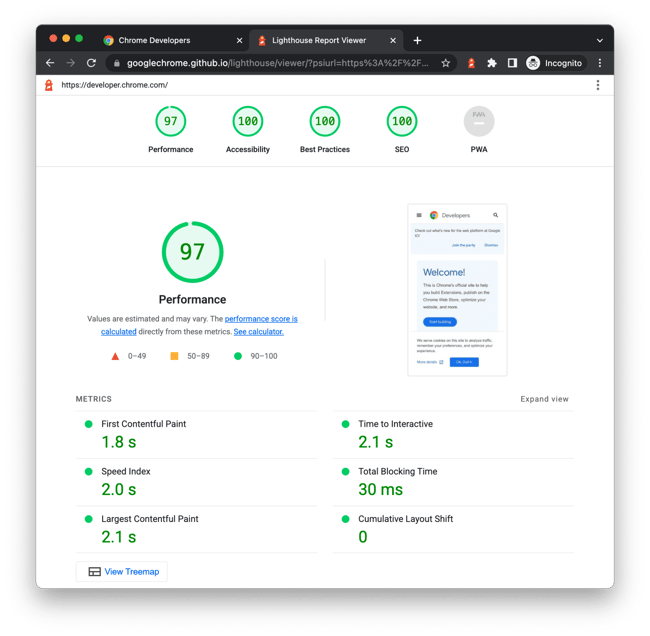
Google Lighthouse: Comprehensive Page Auditing
Google Lighthouse, built into Chrome DevTools, is a free auditing tool that assesses pages on performance, accessibility, SEO, and best practices. It provides scores and specific recommendations for improvement, serving as a valuable initial diagnostic for identifying common issues.
What’s Praised: Its integration within Chrome and its free availability make it an easily accessible first step for catching performance and accessibility problems.

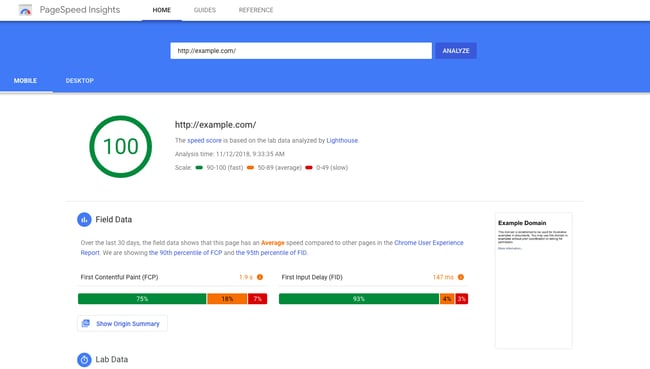
Google PageSpeed Insights: Real-World Performance Analysis
Google PageSpeed Insights analyzes URL loading performance using both lab data and real-world user data from the Chrome User Experience Report. This dual approach offers a more reliable picture of actual user experience, aiding in prioritization of optimization efforts.
What’s Praised: The inclusion of field data, reflecting actual user experiences, provides a more accurate assessment of page performance than lab data alone.
Screaming Frog: In-Depth Website Crawling
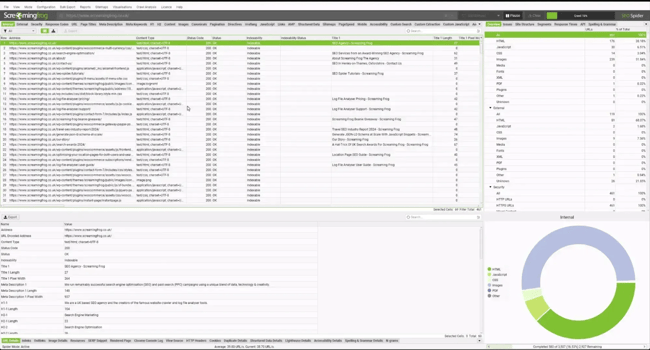
Screaming Frog is a desktop-based SEO crawler that meticulously scans websites, identifying technical issues such as broken links, duplicate content, and redirect chains. Its visualizations and API integrations allow for a holistic view of site structure and performance when connected with GSC and GA4.
What’s Praised: While requiring some expertise, Screaming Frog’s comprehensive crawling capabilities and its ability to integrate with other data sources make it powerful for intermediate and advanced SEO teams.
Rank Tracking Tools: Monitoring Search Visibility
Accurate rank tracking is essential for measuring progress and understanding the impact of SEO efforts.
Ahrefs: Contextualized Ranking Data
Ahrefs Rank Tracker, part of its broader SEO platform, monitors keyword positions across devices, locations, and search engines, storing historical data to correlate ranking changes with specific events. This contextual information provides deeper insights into performance shifts.
What’s Praised: Ahrefs provides rich context beyond simple position numbers, enabling users to connect ranking movements to specific actions or external factors, turning rank tracking into an analytical tool.
SerpRobot: Budget-Friendly Rank Tracking
SERPRobot offers a focused, budget-friendly solution for rank tracking, specifically monitoring keyword positions without the broader feature sets of larger platforms. Its affordability makes it accessible for teams with specific tracking needs and limited budgets.
What’s Praised: Its specialized focus and low cost make it an attractive option for users needing dedicated rank tracking without the complexity or expense of comprehensive suites.
AI Search Visibility: Navigating the New Frontier
As AI plays an increasing role in answering user queries, optimizing for AI visibility has become a critical new facet of SEO.
AEO Grader: Benchmarking AI Visibility
HubSpot’s AEO Grader is a free tool that assesses a brand’s representation in AI-generated answers from platforms like ChatGPT, Perplexity, and Gemini. It provides a visibility score across key dimensions such as sentiment, presence quality, and share of voice, offering a valuable initial benchmark.
What’s Praised: The tool’s ease of use, free access, and detailed breakdown of AI visibility factors make it an excellent starting point for understanding a brand’s current standing in AI search.
HubSpot AEO: Continuous AI Visibility Tracking
HubSpot AEO provides ongoing tracking of AI visibility across major AI platforms. Integrated with HubSpot’s CRM, it offers prompt suggestions based on business context and allows for direct action on identified visibility gaps within the HubSpot ecosystem. It’s available as part of Marketing Hub or as a standalone product.
What’s Praised: The continuous tracking and integration with CRM data offer a more actionable and context-aware approach to AI visibility management compared to one-off checks.
AirOps: Full-Stack AI Search Platform
AirOps is a comprehensive AI search platform designed to bridge the gap between identifying AI visibility gaps and implementing solutions. It offers features for content analysis, share of voice tracking, and narrative control within AI-generated answers.
What’s Praised: AirOps empowers marketing teams to proactively manage their brand’s representation in AI-generated content, providing a crucial layer of control in an evolving search landscape.
Conclusion: A Strategic Approach to SEO Tool Selection
The evolving digital landscape, particularly with the rise of AI, necessitates a strategic and adaptable approach to SEO. While AI may reshape how users find information, the fundamental principles of discoverability, relevance, and user experience remain paramount. The selection of SEO tools should align with these principles and the specific needs and resources of a marketing team. From foundational free tools for beginners to comprehensive platforms for enterprise-level scaling, the market offers a diverse array of solutions. By focusing on the core SEO functions—keyword research, technical audits, rank tracking, on-page optimization, and reporting—and considering the increasing importance of AI visibility, marketers can build a robust and effective SEO strategy that drives tangible business results in the long term. The key is not to acquire every available tool but to strategically leverage the right ones to achieve defined objectives, ensuring that SEO remains a powerful engine for growth in the age of artificial intelligence.
About the Author