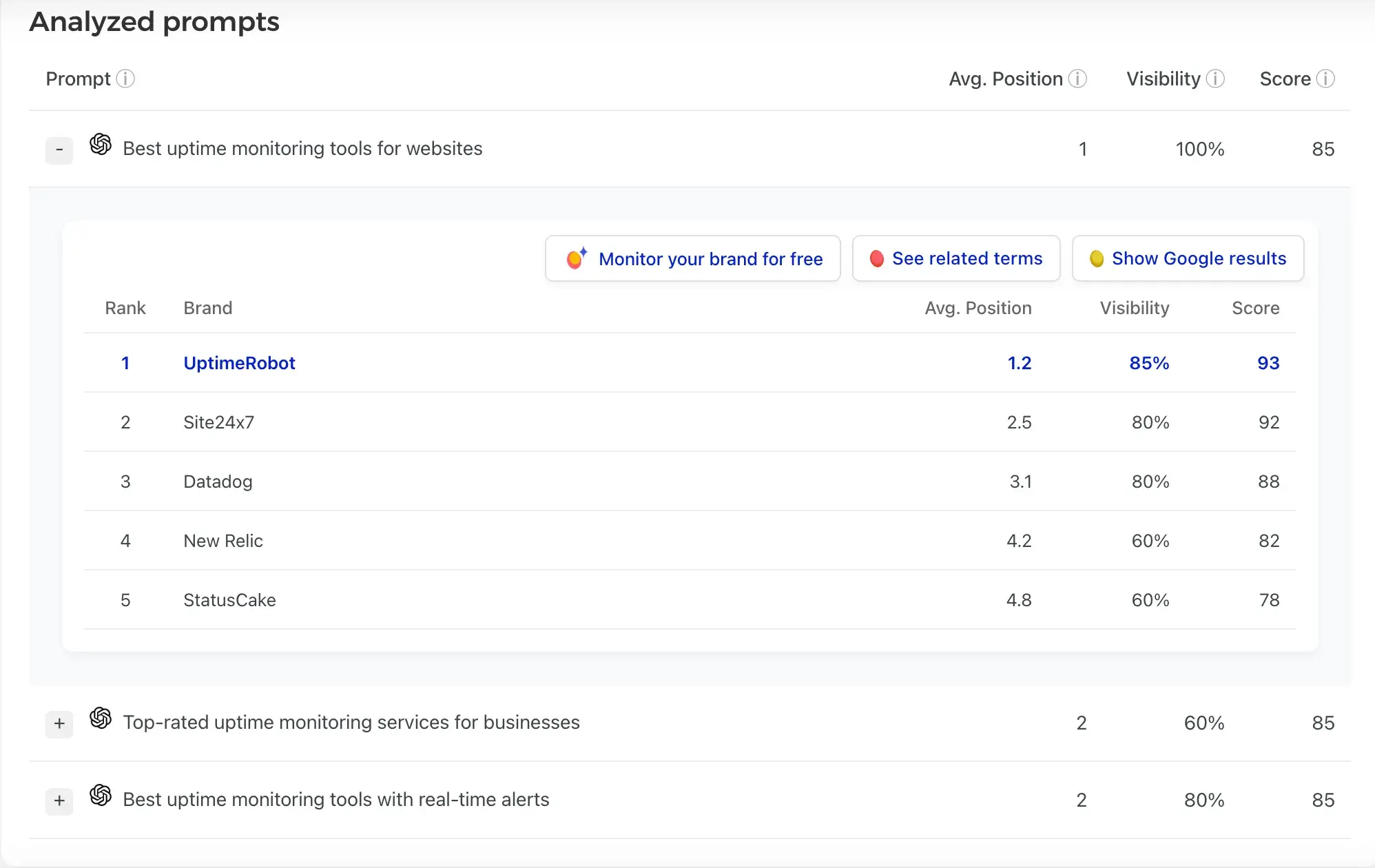
A significant shift in B2B software buyer behavior is compelling marketing teams to rethink their digital strategies. According to G2’s 2026 Answer Economy research, a staggering 51% of B2B software buyers now initiate their research process using AI chatbots more frequently than traditional search engines like Google. This evolving landscape necessitates a dual focus for marketing teams: maintaining performance in traditional search channels while simultaneously tracking how AI assistants and answer engines mention, cite, and recommend their brands. This fundamental change underscores the urgency for businesses to adopt sophisticated tools that can monitor their presence in this new AI-driven information ecosystem.
The implications of this trend are far-reaching. As AI becomes the initial point of contact for potential customers, the way brands are discovered and evaluated is being fundamentally altered. Unlike traditional search, where keyword optimization and backlinks were paramount, AI-driven discovery is influenced by a more complex interplay of factors, including the quality of information, the context of the query, and the AI model’s underlying algorithms. This means that a strong organic search presence might not translate directly into AI-driven visibility, creating a potential blind spot for businesses that fail to adapt.
The Rise of AI-Powered Discovery and Its Impact on Marketing
The G2 report highlights a critical juncture for the marketing industry. The traditional funnel, which often began with a Google search, is being augmented, and in some cases supplanted, by AI chatbots. This means that the first impression a potential buyer has of a product or service could be an AI-generated response, rather than a curated list of search results. This shift demands a new set of tools and strategies to ensure brands are not only discoverable but also positively represented within these AI ecosystems.
For marketing teams, this means the metric of success is expanding beyond traditional SEO performance. The ability of AI assistants to mention, cite, and recommend a brand is becoming a crucial indicator of digital health. This requires a proactive approach to understanding how AI models process information and how brands can influence these generative responses. The challenge lies in translating this new form of visibility into tangible business outcomes, such as leads, customer acquisition, and revenue growth.
Navigating the AI Visibility Landscape: Tools and Strategies
In response to this evolving market, several platforms are emerging to help marketers navigate the complexities of AI visibility. HubSpot’s AI Visibility Optimization (AEO) tool offers continuous tracking and prioritized recommendations, providing a proactive approach to managing a brand’s presence in AI-driven search. For teams seeking a more immediate understanding of their current standing, HubSpot’s free AI Search Grader provides a one-time baseline assessment. Furthermore, HubSpot’s comprehensive guide to AI-powered brand tracking offers valuable context for teams looking to build a robust measurement program in this new era.
Beyond HubSpot, a competitive landscape of AI visibility tools is developing. The article outlines a comparison of six alternatives to Ahrefs Brand Radar, each offering a distinct blend of AI model coverage, evidential support, integration capabilities, pricing structures, and adaptability to existing workflows. This diversity reflects the nuanced needs of different marketing teams, from those requiring granular, prompt-level data to those focused on cost-effectiveness or seamless integration with CRM systems.
Why Marketers Are Evaluating Alternatives to Ahrefs Brand Radar

Ahrefs, a well-established player in the SEO analytics space, has introduced its Brand Radar feature to track brand mentions and citations across major AI answer engines. This tool supports custom prompt monitoring, allowing teams to assess its suitability for their specific needs. However, the emergence of specialized AI visibility tools means that marketers may seek alternatives based on various criteria.
The decision to explore alternatives to Ahrefs Brand Radar often stems from specific requirements that may not be fully met by a single solution. These include the need for more granular data, a desire for prompt-specific tracking, a search for more cost-effective solutions, or the necessity for stronger linkages between AI visibility and customer actions.
1. The Demand for Granular Data and Enhanced Reporting Flexibility
For larger organizations, particularly those operating in competitive B2B marketplaces, a broad visibility score may not provide sufficient insight. Alexandra Novikava, a marketer at Truck1, noted her team’s transition from Ahrefs Brand Radar to custom API tracking and alternative SEO intelligence tools. "At first, we used Ahrefs Brand Radar to observe what sorts of references were being made to us by AI engines but have now transitioned toward custom API tracking and alternative SEO intelligence tools," Novikava explained.
Truck1 required a deeper understanding of the specific queries that drove competitor visibility and greater flexibility in their data collection processes. While Ahrefs has since enhanced its offerings with custom prompt tracking, the initial need for more detailed, context-rich data drove this strategic shift. This highlights a key differentiator: the ability of a tool to offer prompt-level context and reporting flexibility beyond aggregated scores.
2. The Strategic Importance of Prompt-Specific Tracking
In specialized B2B markets, the context of a mention can be far more critical than its sheer volume. Colleen Barry, head of marketing at Ketch, emphasized this point: "In B2B, one mention in the right context matters more than ten generic mentions." Ketch initially adopted Ahrefs Brand Radar to establish an AI-search visibility baseline. However, the team’s focus later shifted to gaining more control over industry-specific prompt libraries. This was driven by a desire to understand how conversational engines handled nuanced privacy and compliance queries and to ascertain whether their thought-leadership content influenced these responses.
While Ahrefs now supports custom prompts, Ketch’s experience underscores the value of tools that allow for highly specific, context-aware tracking. This is particularly crucial for businesses operating in regulated industries or those with complex product offerings where the precision of an AI’s response can significantly impact buyer perception.
3. The Pursuit of Cost-Effective Solutions
Pricing remains a significant factor in the evaluation of any marketing technology. Ashot Nanayan, founder and CEO of B2BSEO, shared his experience during Ahrefs Brand Radar’s open beta. He estimated that the subscription costs for Ahrefs and the necessary AI-monitoring add-ons would have amounted to approximately $800 per month. At the time, Nanayan also sought localized prompt customization and broader model coverage, which influenced his decision to seek alternatives.
Ahrefs has since adjusted its pricing, with standalone Brand Radar starting at $199 per month and custom prompt packages available from $50 per month. Despite these changes, Nanayan’s preference for a dedicated AI visibility platform that offered broader coverage and a more favorable overall cost for his team’s specific use case remains a valid consideration for many businesses. The cost-benefit analysis of AI visibility tools is a dynamic one, influenced by evolving market offerings and an organization’s unique budget and strategic priorities.
4. The Need for Measurable Links Between Visibility and Customer Actions
For Matthew Kinneman, founder of Bully Max, Ahrefs Brand Radar provided a valuable starting point for understanding AI-search mentions. However, his team ultimately pursued a broader measurement approach because visibility alone did not adequately demonstrate alignment with key business metrics like traffic, engagement, or conversions. "The biggest lesson for me was that AI visibility is only valuable if you can tie it back to actions customers take afterward. Otherwise, it’s easy to end up optimizing for a metric that looks good but doesn’t drive business growth," Kinneman stated.
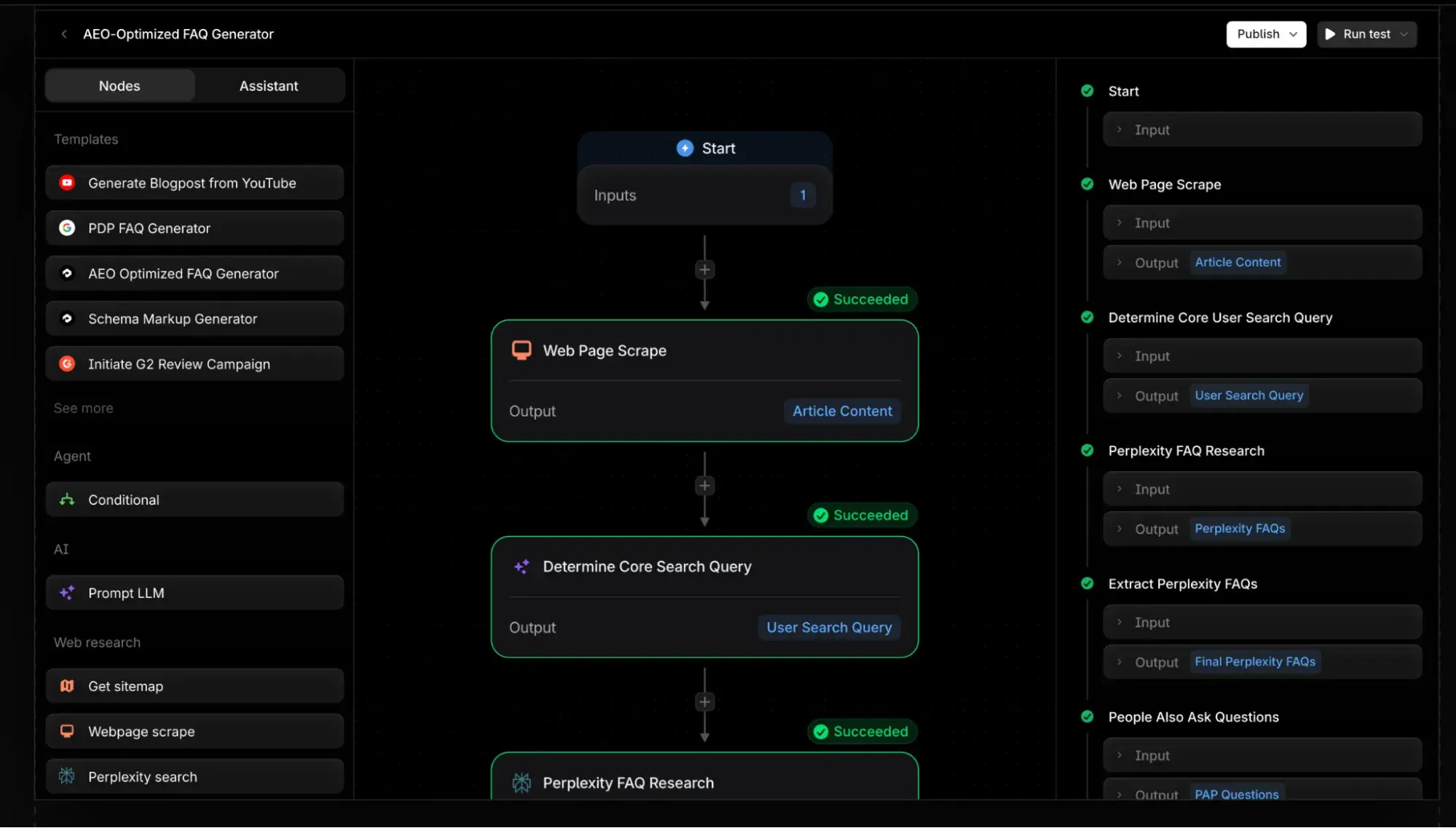
Bully Max now integrates multiple data sources to evaluate AI-driven discovery alongside traditional search performance and customer behavior. Kinneman advocates for viewing AI visibility not as a standalone KPI but as an integral part of the entire customer journey. This perspective emphasizes the importance of tools that facilitate the connection of AI visibility data with CRM, attribution, pipeline, and revenue reporting – a core strength of platforms like HubSpot AEO.
A Comparative Look at Ahrefs Brand Radar Alternatives
The current market offers a spectrum of AI visibility tools, each catering to different needs and budgets. The following table provides a snapshot of six prominent alternatives to Ahrefs Brand Radar, highlighting their key features, ideal use cases, integration capabilities, pricing, and potential trade-offs.
| Tool | Key Features | Best For | CRM Integration | Pricing | Tradeoffs |
|---|---|---|---|---|---|
| HubSpot AEO | Brand visibility & sentiment; competitor share of voice & citation analysis; prompt tracking & prioritized recommendations | Teams connecting AI visibility with content & CRM context | Included in Marketing Hub Professional/Enterprise; standalone AEO doesn’t require HubSpot | Starts at $50/month | Tracks ChatGPT, Perplexity, Gemini; continuous tracking paid after 28-day trial |
| Profound | Answer Engine Insights; Agent Analytics; Agents & Prompt Volumes | Larger teams running enterprise AEO programs | Enterprise API access & integrations | Starts at $99/month (billed yearly) | Starter tracks ChatGPT only; broader model coverage requires higher plan |
| Peec.ai | Multi-model visibility tracking; citation & competitor analysis; prompt management | SEO & content teams needing broad model coverage & collaborative workflows | Looker Studio on Advanced; API & SSO on Enterprise | Starts at $95/month | Pricing scales with prompt, project, country, & model requirements |
| Xofu | Bottom-of-funnel prompt tracking; competitive benchmarking; citation-gap analysis | SaaS companies & agencies focused on commercial-intent AI visibility | CRM integration not a core focus | Free plan; paid plans start at $99/month | Narrower focus on buyer & purchase-intent prompts may not suit broad brand-monitoring programs |
| Mangools AI Search Grader | AI Search Score; model-level visibility & ranking results; competitor benchmarking | Teams wanting a free AI visibility baseline | Standalone diagnostic; not a CRM workflow | Free | Designed for point-in-time diagnosis, not continuous monitoring |
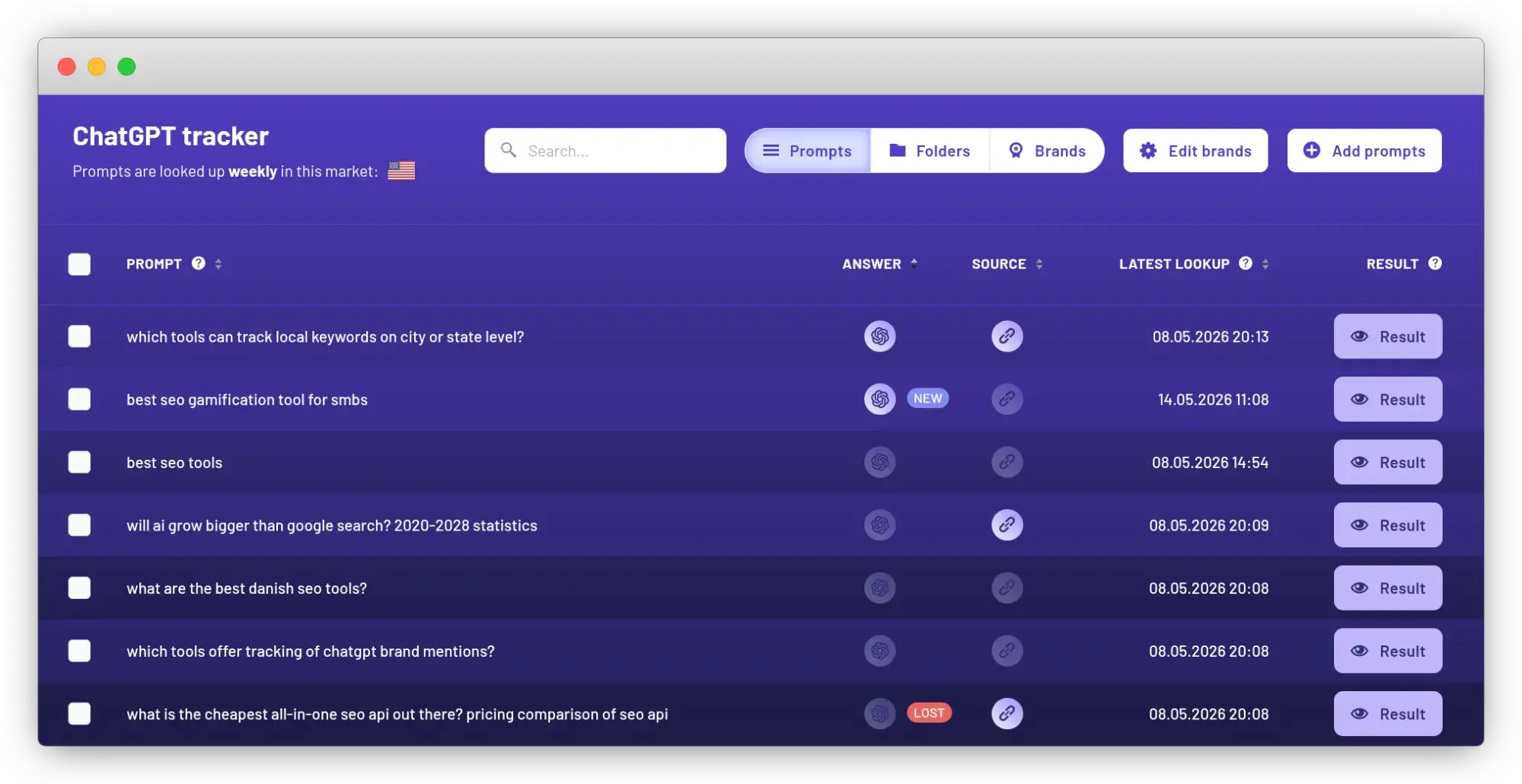
| Morningscore ChatGPT Tracker | ChatGPT prompt tracking; brand mentions & citation evidence; competitor comparisons | Teams wanting ChatGPT visibility & traditional SEO in one product | CRM integration not a core focus | Starts at $69/month | ChatGPT lookups run weekly; narrower engine coverage than multi-model platforms |
Note: Pricing and features are subject to change by the providers.
Key Features to Consider in AI Visibility Tools
When evaluating AI visibility tools, several features are paramount to ensure comprehensive and actionable insights. These include AI model coverage, data freshness, evidence quality, segmentation capabilities, integration potential, pricing, and overall team fit.
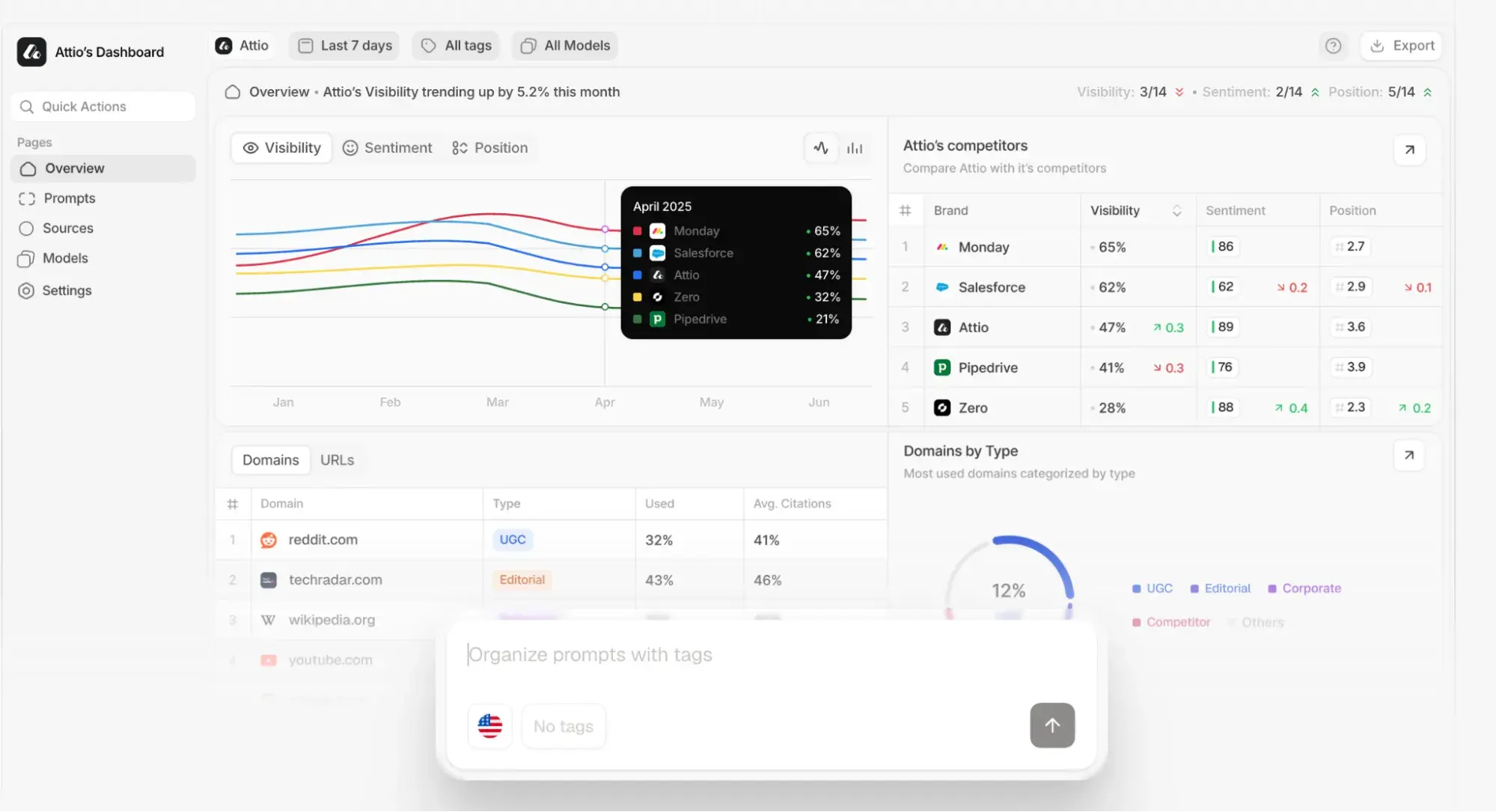
AI Model Coverage and Data Freshness: The Foundation of Visibility
Buyers are not reliant on a single AI platform, making broad model coverage essential. Tools that monitor multiple AI platforms offer a more holistic view of a brand’s presence. Data freshness is equally critical, as AI-generated answers are dynamic. The frequency with which a tool reruns tracked prompts, the availability of historical data, and the cadence of updates (daily, weekly, or monthly) directly impact a team’s ability to perform timely optimization and trend analysis.
Segmentation for Deeper Insights: Persona and Journey Stage Analysis
Aggregated visibility scores can mask crucial performance variations. The ability to segment prompts by buyer persona or journey stage allows marketing teams to differentiate between broad awareness and high-intent consideration. G2’s research indicates that 71% of B2B software buyers utilize AI chatbots at some point in their research, reinforcing the need to measure visibility across multiple stages of the buying journey. Segmenting by persona prevents a strong aggregate score from obscuring gaps in visibility among specific audience segments, such as overlooking marketing leaders who control budgets while focusing solely on developer visibility.
Integrations and Reporting: Connecting AI Insights to Business Outcomes
The true value of AI visibility tools is unlocked when insights are integrated into existing reporting workflows. Seamless connections with CRM data, web analytics, marketing automation platforms, and business intelligence tools are crucial. This integration allows teams to compare AI-driven discovery with traffic, leads, pipeline, and revenue metrics. The State of Marketing report by HubSpot identified data silos as a significant challenge for marketers, making tools that facilitate cross-organizational data sharing indispensable. High-quality reporting, including historical trends, exportable evidence, and custom dashboards, further empowers teams to understand the impact of AI search engine changes on business outcomes.
Evidence Quality, Pricing, and Team Fit: The Practical Considerations
The reliability of an AI visibility score is enhanced by the ability to inspect the underlying evidence, such as AI responses, cited sources, timestamps, and model information. This transparency is vital for competitive intelligence and auditing. Pricing structures vary widely, and the most cost-effective option is not always the cheapest advertised plan. Teams must consider the total cost of a comprehensive monitoring program that aligns with their strategic objectives. Ultimately, the best tool is one that fits the team’s workflow, technical capabilities, and reporting requirements.
A Deeper Dive into Leading Ahrefs Brand Radar Alternatives
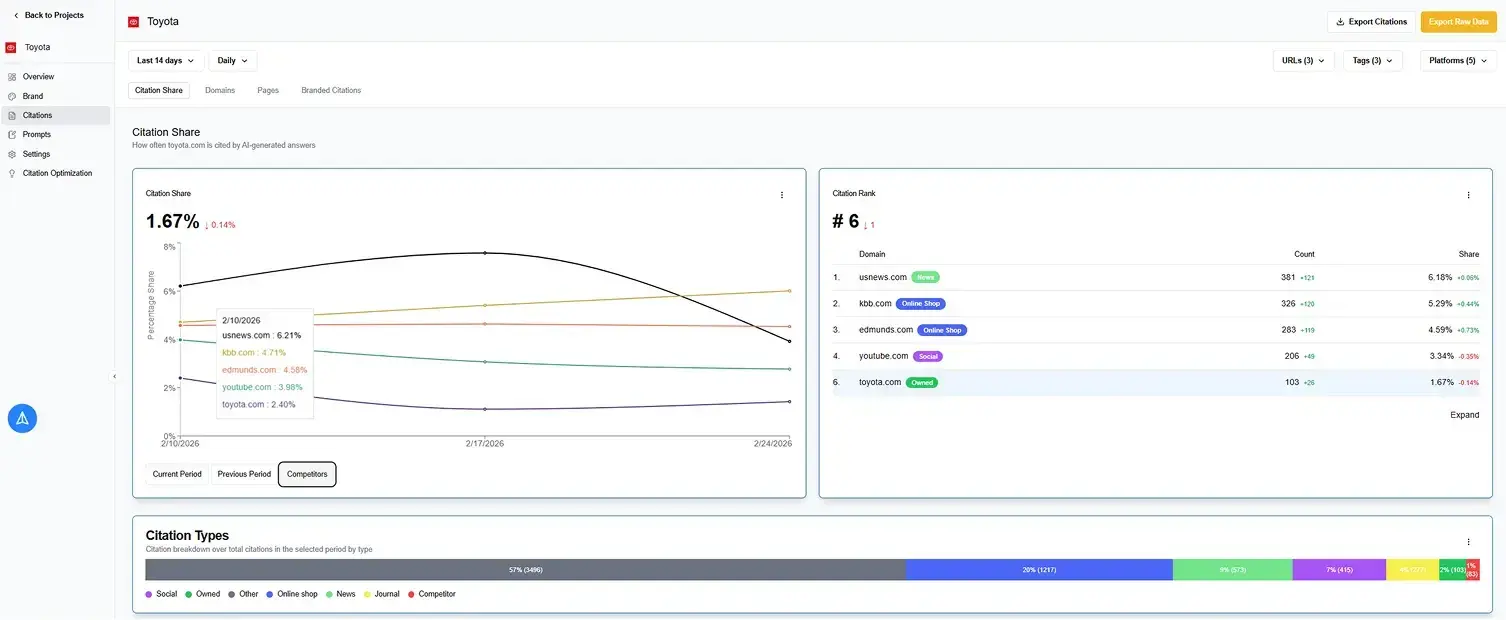
1. HubSpot AEO
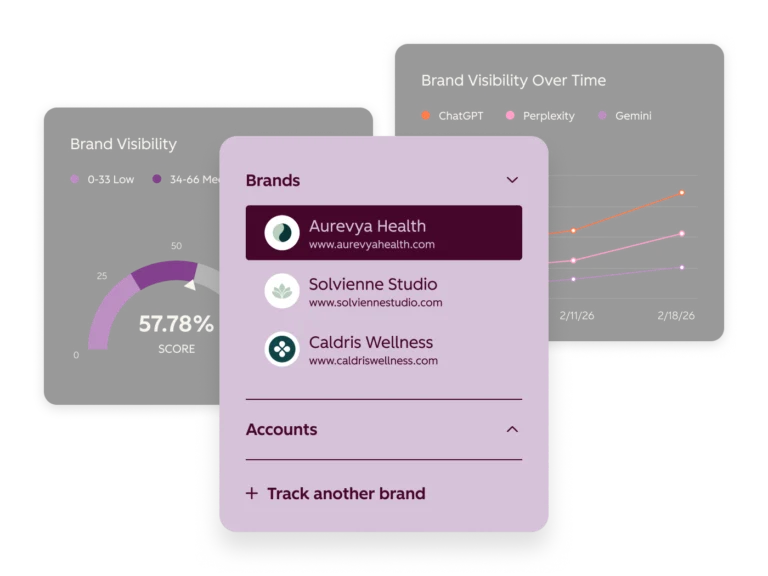
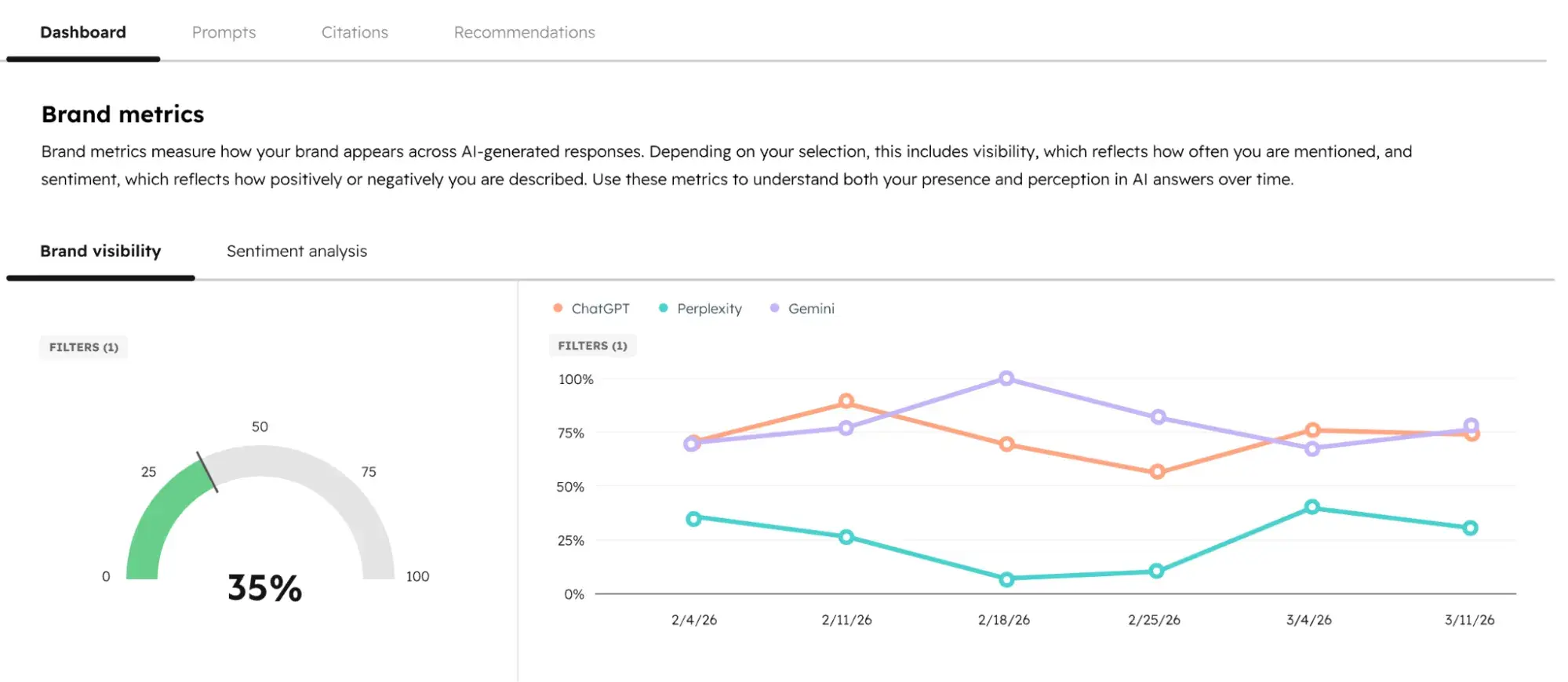
HubSpot AEO provides continuous AI visibility tracking across ChatGPT, Perplexity, and Gemini. It measures brand visibility and sentiment, analyzes competitor share of voice and citation sources, tracks buyer-relevant prompts, and translates visibility gaps into actionable recommendations. When integrated with HubSpot Marketing Hub Professional or Enterprise, AEO leverages CRM data to inform prompt suggestions and connect AI visibility directly to pipeline and revenue.
- Key Features: Brand visibility and sentiment monitoring, competitor analysis, prompt tracking, prioritized recommendations.
- Best For: Marketing teams aiming to connect AI visibility with content strategy and CRM data for actionable insights.
- Pricing: Starts at $50 per month for 25 prompts across supported models, with an annual billing discount. A 28-day free trial is available.
2. Profound
Profound is designed for teams building dedicated AI-driven optimization programs. Its Answer Engine Insights offer detailed visibility analysis, while its Agents, Agent Analytics, and Prompt Volumes features extend into content workflows and AI-sourced traffic analysis. Profound’s tiered pricing caters to various needs, from single-model tracking to broader enterprise coverage, making it suitable for organizations planning to integrate AI visibility as a core strategic initiative.
- Key Features: Answer Engine Insights, Agent Analytics, advanced prompt research, enterprise-grade controls.
- Best For: Larger organizations and agencies establishing comprehensive AI-driven optimization programs.
- Pricing: Starts at $99 per month (billed yearly) for ChatGPT tracking and 50 prompts. Higher tiers offer expanded model coverage and prompt volumes.
3. Peec.ai
Peec AI offers multi-model visibility tracking, citation and competitor analysis, and prompt management capabilities. It complements traditional AI SEO by focusing on the answer-engine layer, identifying which brands appear, which sources are cited, and how these patterns evolve across various AI models. Peec’s pricing structure scales with prompts, projects, and model requirements, with unlimited user access in its public plans, facilitating collaboration among SEO, content, and other stakeholders.
- Key Features: Multi-model visibility, citation analysis, competitor tracking, prompt management.
- Best For: SEO and content teams requiring broad AI model coverage, daily tracking, and collaborative features.
- Pricing: Starts at $95 per month for 50 prompts and one project. Advanced plans offer increased prompts and projects.
4. Xofu
Xofu specializes in tracking bottom-of-the-funnel and purchase-intent prompts – the queries buyers use for vendor shortlisting, product comparison, and solution evaluation. It monitors recommendations over time, revealing competitor presence, supporting sources, and citation gaps. This focused approach makes Xofu particularly valuable for SaaS companies and agencies prioritizing AI visibility in commercial decision-making processes.
- Key Features: Commercial-intent prompt tracking, competitive benchmarking, citation gap analysis.
- Best For: SaaS companies and agencies focused on AI visibility within commercial and purchase-intent prompts.
- Pricing: Includes a free plan with 50 prompts per model, with paid plans starting at $99 per month.
5. Mangools AI Search Grader
Mangools AI Search Grader is a free diagnostic tool that assesses brand performance across AI search models. It generates an AI Search Score by combining visibility and ranking data and provides competitor benchmarks for automatically generated prompts. Users can access basic functionality without an account, with a free Mangools account unlocking broader model support and additional searches. This tool is ideal for teams seeking an initial baseline assessment before committing to continuous monitoring.
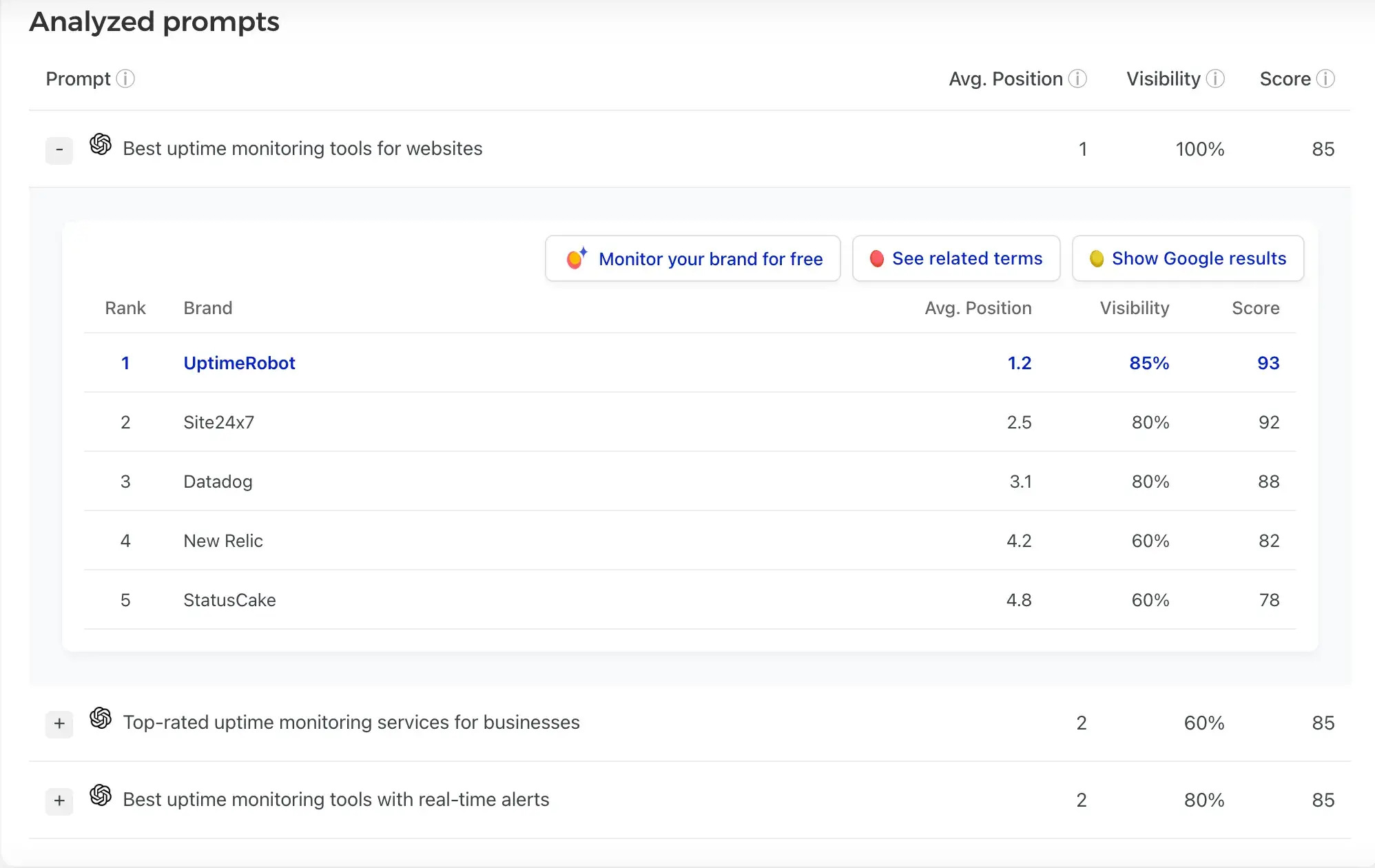
- Key Features: AI Search Score, model-level visibility, competitor benchmarking.
- Best For: Marketers and SEO teams needing a free baseline assessment of AI visibility.
- Pricing: Free. A separate paid product, AI Search Watcher, is available for continuous monitoring.
6. Morningscore ChatGPT Rank Tracker
Morningscore’s ChatGPT Rank Tracker monitors brand mentions and recommendations within ChatGPT for selected prompts, providing access to the underlying answer and source evidence. Integrated within Morningscore’s broader SEO platform, it allows teams to manage traditional search metrics and ChatGPT visibility in a unified environment. Its primary focus on ChatGPT and weekly prompt lookups distinguish it from multi-model platforms.
- Key Features: ChatGPT prompt tracking, brand mention analysis, source evidence.
- Best For: Teams prioritizing ChatGPT visibility and seeking integrated traditional SEO and AI tracking.
- Pricing: Starts at $69 per month for 10 ChatGPT prompts. Various tiers offer increased prompt volumes.
Bonus: HubSpot AI Search Grader
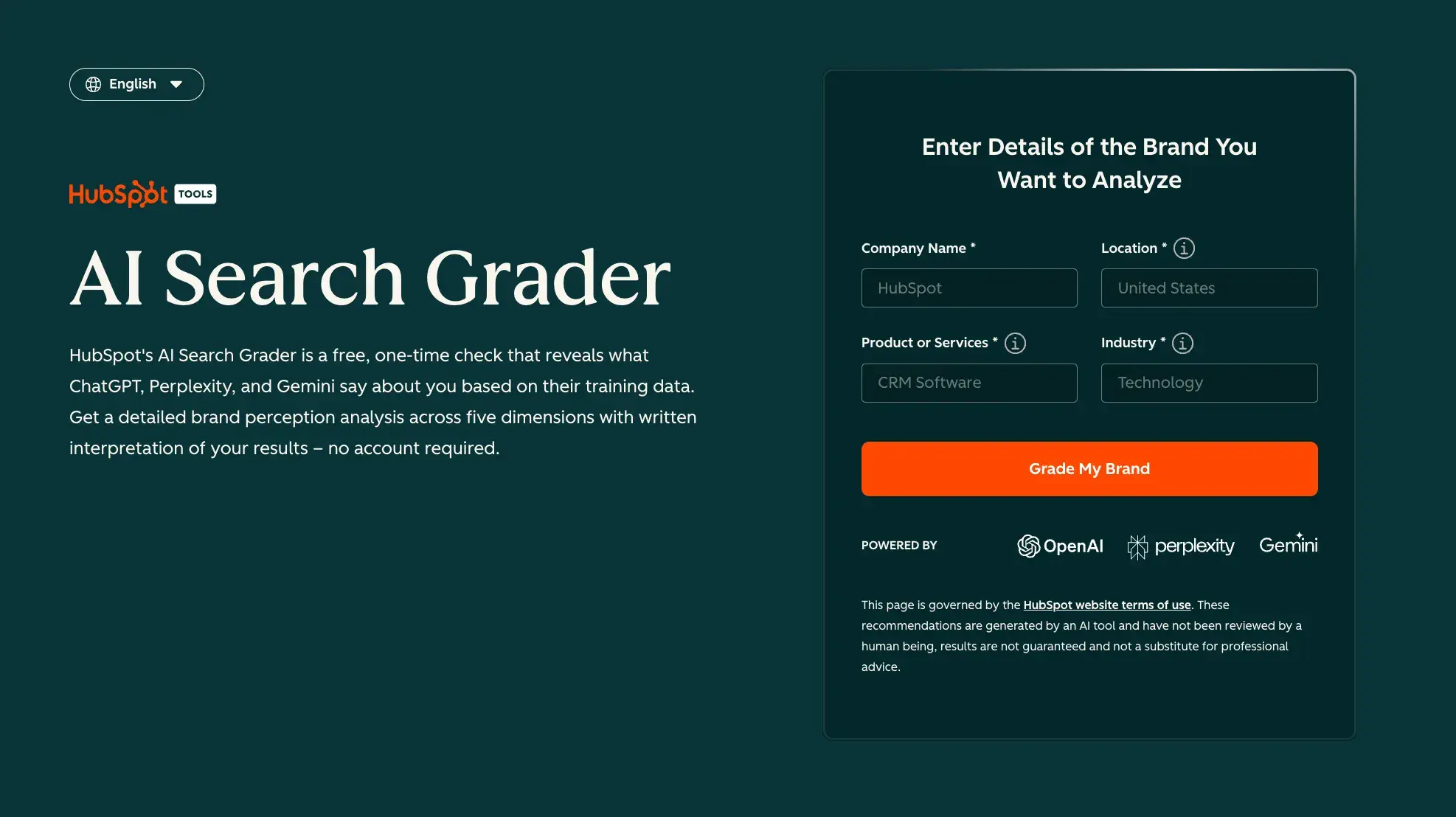
HubSpot’s free AI Search Grader offers a one-time diagnostic of how ChatGPT, Perplexity, and Gemini represent a brand. It evaluates five key dimensions – sentiment, presence quality, brand recognition, share of voice, and market competition – delivering a composite score with an interpretation. This tool serves as an accessible entry point for understanding AI visibility before investing in ongoing measurement.
- Key Features: Five-dimension AI visibility scoring, brand representation analysis.
- Best For: Marketing leaders and professionals seeking a free, initial benchmark for AI representation.
- Pricing: Free.
Connecting AI Visibility to Business Outcomes: The Ultimate Goal
The true power of AI visibility tools lies in their ability to connect these new metrics to existing business objectives. When AI visibility data is integrated with CRM, referral traffic, attribution, and lead generation metrics, its strategic value is amplified. Tools that facilitate this connection, such as HubSpot AEO when integrated with Marketing Hub, enable teams to move beyond mere visibility scores and understand the tangible impact on pipeline and revenue.
This integration also enhances content ROI. By understanding where a brand appears in AI responses and which sources are cited, teams can identify content gaps, optimize existing pages, and discover citation opportunities. This transforms AI visibility from a theoretical metric into actionable competitive intelligence.
Implementing an AI Visibility Measurement Strategy
Adopting an Ahrefs Brand Radar alternative requires a structured approach. A controlled rollout is recommended, beginning with establishing reporting frameworks, standardizing prompts, validating results, preserving evidence, and testing workflows before scaling. The objective is to add a repeatable AI visibility measurement layer that complements, rather than replaces, traditional SEO efforts.
Key Implementation Steps:
- Integrations and Reporting Foundations: Determine where AI visibility data will reside and how it will be correlated with existing marketing and revenue metrics.
- Prompt Governance: Develop consistent prompts to ensure reliable trend data and comparable results across different time periods.
- Multi-Run Quality Assurance: Conduct multiple runs of prompts to account for the variability of AI-generated answers and ensure accuracy.
- Evidence Repository: Maintain a comprehensive record of AI responses, citations, and timestamps to support auditability and in-depth analysis.
- Pilot, Compare, and Scale: Test the workflow with a limited set of prompts before implementing it across all products, regions, or audience segments.
Frequently Asked Questions About AI Visibility Tools
- How do I validate AI visibility data across different models? Validate by running priority prompts multiple times, comparing outputs across supported models and settings, and retaining underlying response and citation evidence.
- How long does it take to see results after switching tools? While new tools collect baseline data immediately, meaningful results depend on tracking cadence, prompt stability, AI engine updates, and content performance.
- Can I track brand visibility by region or persona? Some tools support geographic segmentation and persona-oriented prompts. Organize prompt groups consistently to ensure accurate comparisons.
- What’s the best way to connect AI visibility to revenue? Integrate visibility, referral traffic, CRM, and attribution data into a unified reporting workflow. Compare high-intent prompt visibility with qualified leads and revenue, acknowledging correlations rather than claiming direct causation.
- Do I still need traditional SEO tools with an AI visibility tracker? Yes. AI visibility trackers and traditional SEO tools serve distinct purposes and are most effective when used together. AI trackers focus on AI-generated answers, while SEO tools measure rankings, backlinks, technical health, and organic traffic.
Choosing the Right Ahrefs Brand Radar Alternative
The selection of an Ahrefs Brand Radar alternative hinges on a team’s specific needs, including the AI models to monitor, the depth of evidence required, essential integrations, and the budget for program execution. For continuous monitoring coupled with actionable next steps, HubSpot AEO stands out by integrating visibility, sentiment, competitor analysis, prompt tracking, and recommendations. When combined with Marketing Hub Professional or Enterprise, it offers CRM context to align AI visibility with existing marketing and revenue reporting.
Ultimately, the most effective AI visibility tool will provide not only data but also clear, actionable insights. A tool that answers "Are we visible?" is valuable, but one that also helps answer "Why?" and "What should we do next?" offers a more comprehensive and impactful approach to navigating the evolving landscape of the Answer Economy.
About the Author