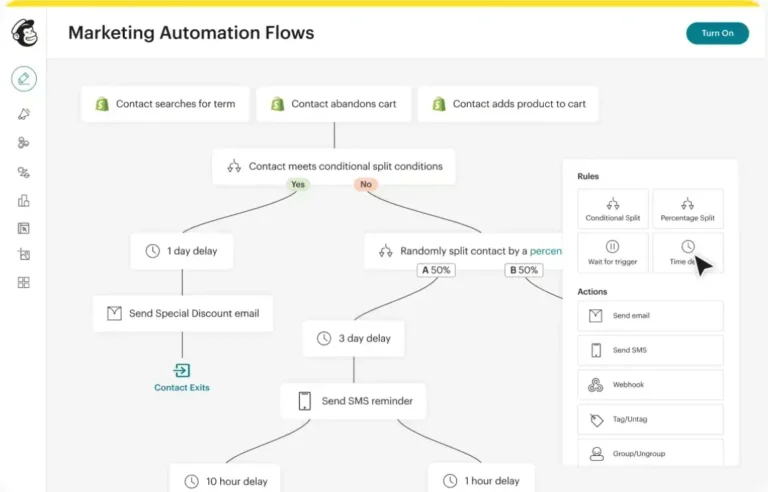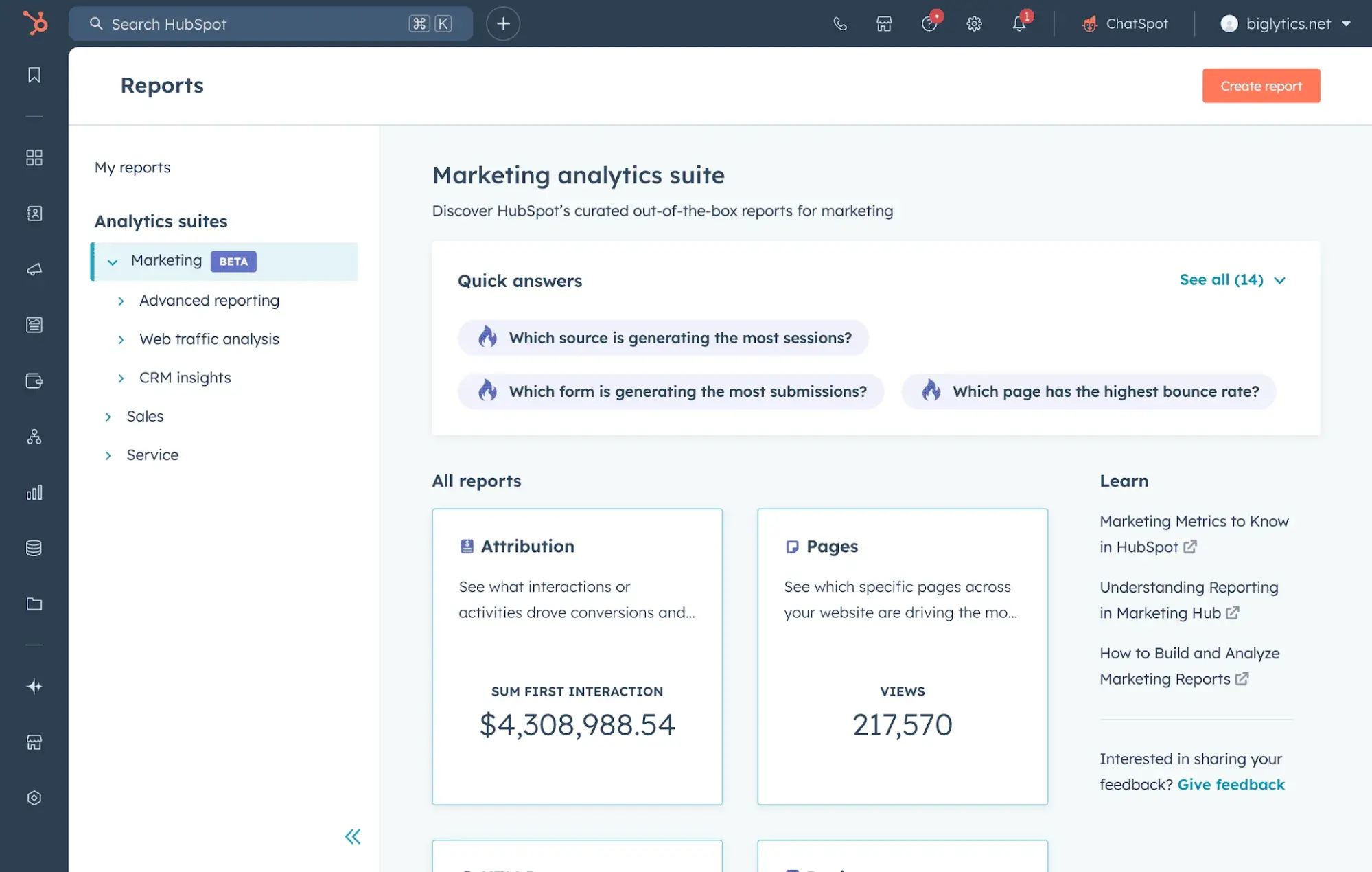
The marketing industry is experiencing a period of unprecedented transformation, with a significant majority of marketers—70%—believing that the past three years have brought about more change than the preceding fifty. This rapid evolution necessitates a parallel evolution in the tools marketers rely on, particularly marketing automation platforms. Pardot, a long-standing player in the B2B marketing automation space, has come under increasing scrutiny due to a perceived lack of recent development, prompting many businesses to explore and adopt alternative solutions. This shift raises critical questions about the reasons behind businesses’ departures, the emerging preferred alternatives, and expert advice on navigating a successful migration.
The Evolving Needs of Modern Marketing
The foundational principles of marketing automation, designed to streamline repetitive tasks and nurture leads, remain relevant. However, the sophistication of marketing strategies has advanced considerably. Today’s marketers are tasked with creating highly personalized customer journeys, leveraging advanced analytics for revenue attribution, and integrating seamlessly with a complex ecosystem of sales and customer relationship management (CRM) tools. Platforms that fail to keep pace with these evolving demands risk becoming a bottleneck rather than an accelerator for business growth.
The landscape is characterized by an increasing demand for:

- Advanced Personalization: Moving beyond basic segmentation to deliver tailored content and experiences at every touchpoint.
- Robust Revenue Attribution: Accurately tracking marketing’s impact on the bottom line, a critical metric for demonstrating ROI.
- Seamless CRM Integration: Ensuring a fluid exchange of data between marketing and sales teams to create a unified customer view.
- AI-Powered Insights: Utilizing artificial intelligence to optimize campaigns, predict customer behavior, and automate complex decision-making.
- User-Friendly Interfaces: Empowering marketing teams to build, manage, and analyze campaigns without requiring extensive technical expertise.
The Pardot Dilemma: Stagnation and Discontinuation Fears
Pardot, now rebranded as Marketing Cloud Account Engagement by its parent company, Salesforce, has been a prominent B2B marketing automation platform for many years. However, industry experts and long-time users alike have observed a concerning trend: a noticeable slowdown in platform development. Tom Ryan, a seasoned Pardot consultant and founder of MarCloud, a firm specializing in marketing automation, highlights this as a primary driver for businesses seeking alternatives.
"There’s a clear migration path being laid out," Ryan stated in a recent analysis. "The lack of new feature development on the Pardot platform, coupled with Salesforce’s strategic direction, leads many to believe its eventual discontinuation is not a matter of ‘if,’ but ‘when.’" This sentiment of impending obsolescence creates an environment of uncertainty, encouraging proactive businesses to seek more future-proof solutions.
Beyond the fear of discontinuation, persistent pain points within Pardot itself are contributing to user churn. Ryan identifies revenue attribution and reporting as particularly challenging areas. "Revenue attribution can be incredibly difficult to achieve accurately if you don’t possess deep expertise," he explained. "Users often have to wrestle with the intricacies of the Pardot-Salesforce sync, which can lead to data discrepancies and incomplete insights."
Reporting capabilities are another significant concern. The platform’s limited flexibility in report customization means that many businesses struggle to extract the specific data they need to inform strategic decisions. "The reports are not easily customizable within Pardot," Ryan noted. "Consequently, businesses often find themselves unable to generate the precise reports they require without relying on consultant-level knowledge." This reliance on external expertise adds an unnecessary layer of complexity and cost for many organizations.

The Exodus: Emerging Pardot Alternatives
In light of these challenges, a growing number of businesses are actively migrating away from Pardot. Ryan’s experience indicates that HubSpot is a frequent destination for these departing users. "The transition from Pardot to HubSpot makes a great deal of sense for many organizations," he observed. "There are significant architectural similarities between Pardot and HubSpot, particularly through their respective connectors. This familiarity eases the transition, and users often find that HubSpot offers a far richer set of capabilities."
The migration trend is so pronounced that MarCloud, Ryan’s consultancy, has strategically shifted its focus from being Pardot-centric to becoming a HubSpot Diamond Solutions Partner. This transition reflects the broader market movement toward platforms perceived as more innovative and user-friendly.
When evaluating alternatives to Pardot, B2B marketing teams are increasingly prioritizing several key criteria:
- CRM Integration: The ability to seamlessly connect with or provide robust CRM functionalities is paramount. Platforms that offer native CRM capabilities or deep, reliable integrations with popular CRMs like Salesforce are highly attractive.
- Automation Capabilities: The depth and flexibility of automation workflows, including multi-step nurturing sequences, dynamic content, and behavioral triggers, are critical for sophisticated marketing campaigns.
- Data Management and Reporting: The ease with which data can be accessed, analyzed, and visualized is essential for demonstrating marketing ROI and informing strategy.
- User Experience: An intuitive interface that empowers marketing teams to build and manage campaigns efficiently is a significant advantage.
- Scalability and Pricing: The ability of the platform to grow with the business and offer transparent, predictable pricing is a crucial consideration.
A Comparative Look at Leading Pardot Alternatives
Several platforms have emerged as strong contenders for businesses seeking to replace Pardot. Each offers a distinct set of features and benefits tailored to different organizational needs.
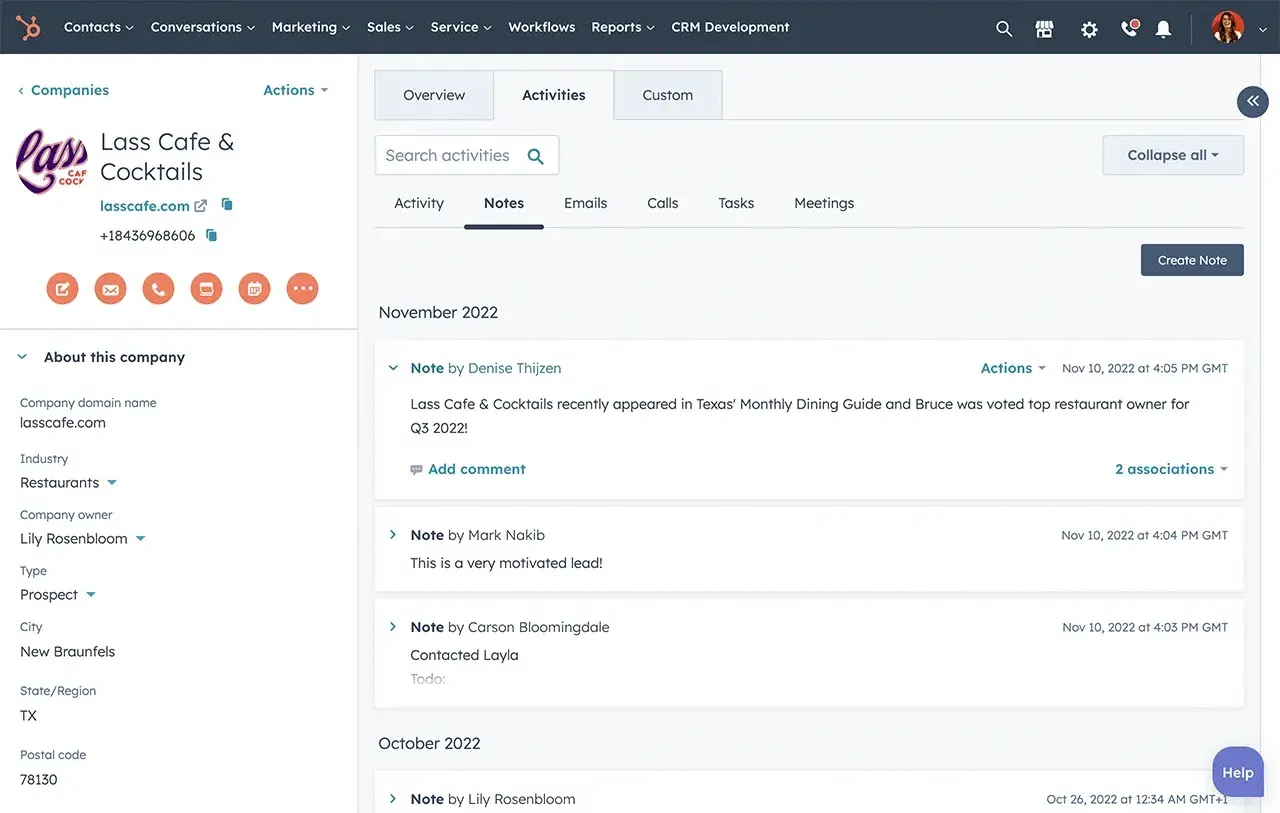
HubSpot Marketing Automation
HubSpot Marketing Automation is frequently cited as a top alternative due to its integrated approach, offering robust marketing automation tools alongside its well-regarded Smart CRM. This "all-in-one" philosophy directly addresses Pardot’s perceived data silo issues.
Key HubSpot Features:
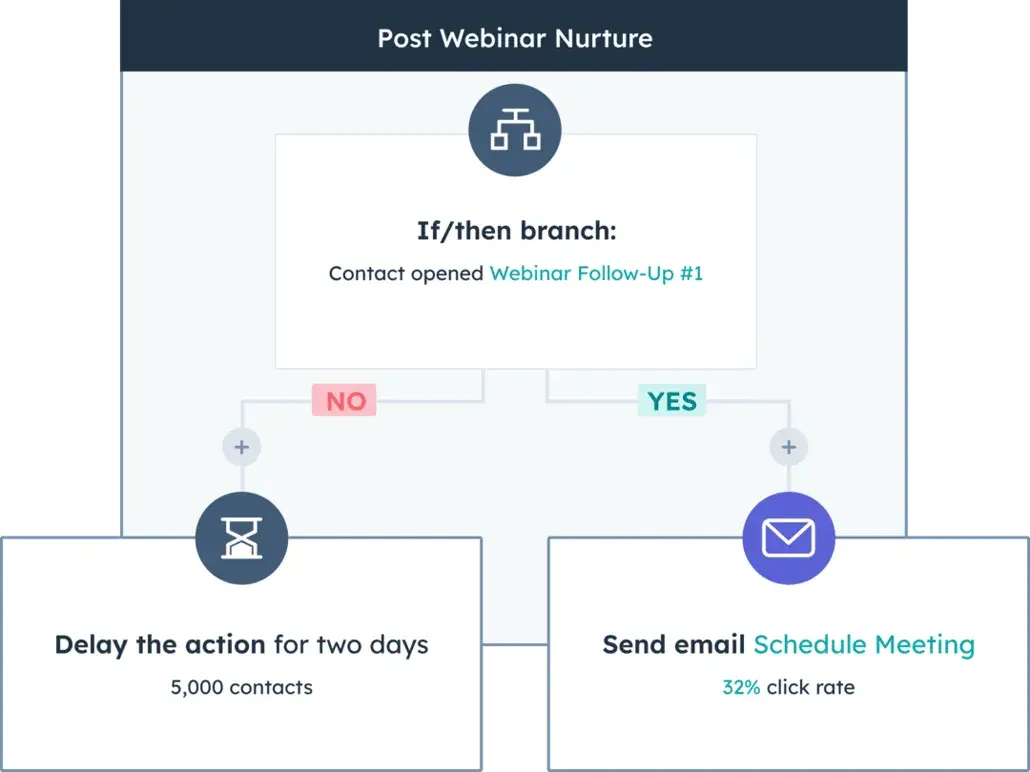
- Multi-step Nurture Workflows: Design complex automated sequences triggered by various factors, including user behavior, lifecycle stage, and CRM data.
- Integrated CRM: HubSpot’s Smart CRM provides a unified view of customer interactions, eliminating the need for separate system synchronization for many businesses.
- Native Salesforce Integration: For organizations choosing to retain Salesforce, HubSpot offers a robust, two-way sync to ensure data consistency across both platforms.
- Drag-and-Drop Builders: Intuitive interfaces for creating emails, landing pages, and marketing campaigns, enabling rapid iteration and execution.
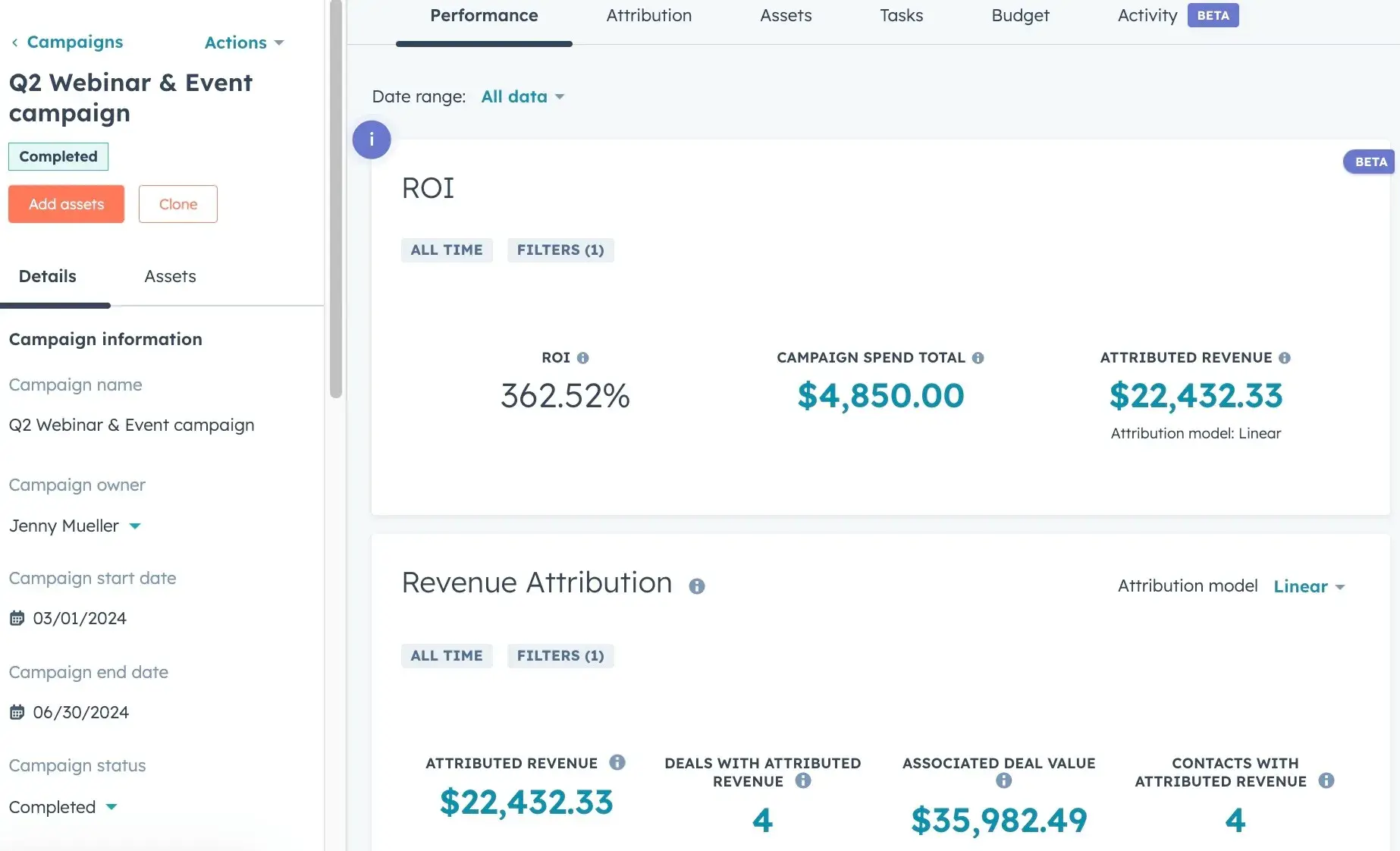
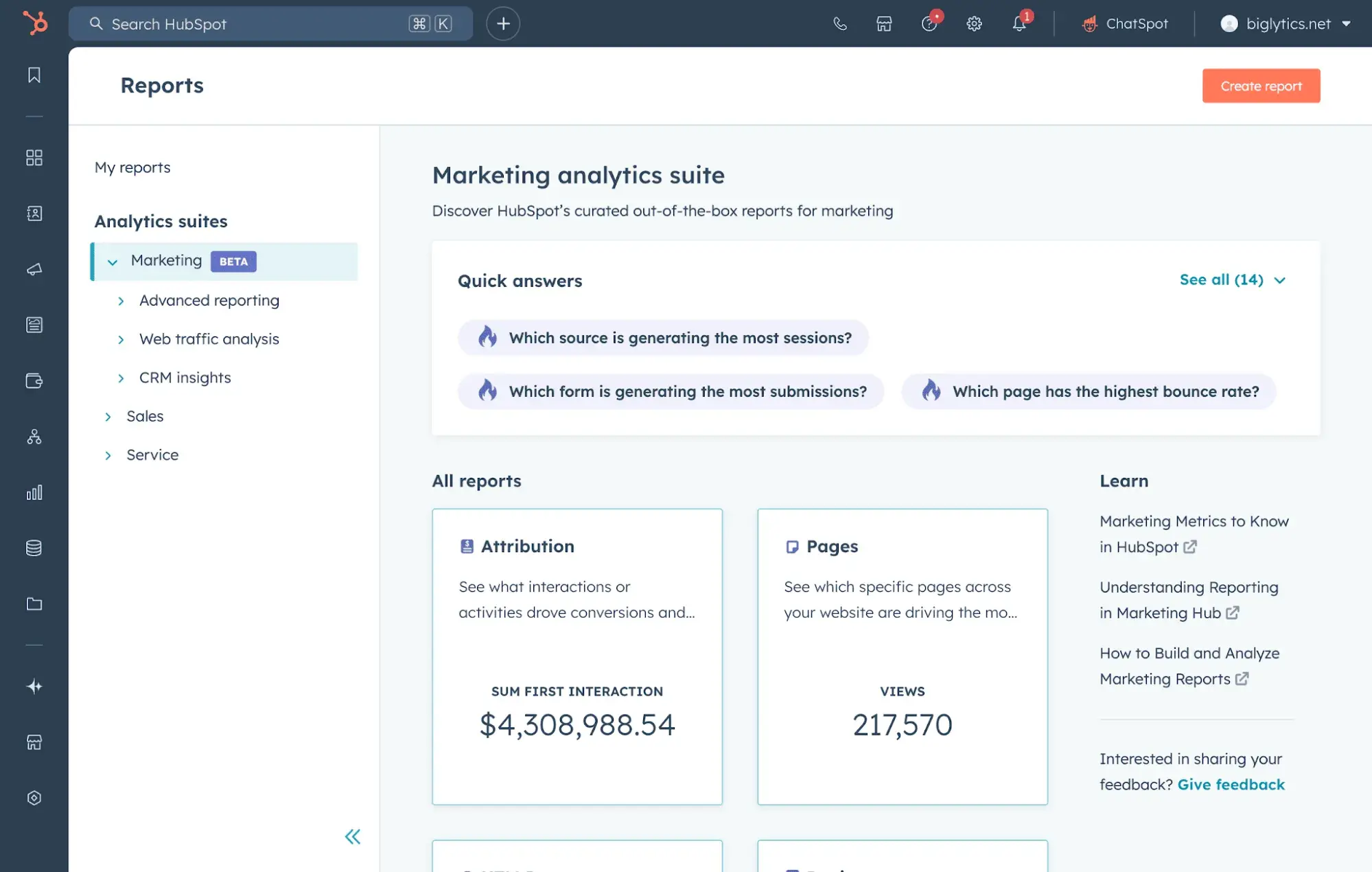
- Advanced Reporting and Analytics: Comprehensive dashboards provide insights into campaign performance, ROI, and attributed revenue.
User Feedback: Reviews consistently highlight HubSpot’s ease of use, particularly its intuitive design and effective email marketing and automation capabilities. Common criticisms sometimes point to a learning curve for advanced features and a desire for certain niche functionalities.
Pricing: HubSpot offers a free plan for up to two users, with paid plans starting at $10 per month per seat, making it accessible for businesses of all sizes.
Analyst Insight: "HubSpot’s strength lies in its holistic approach to marketing and sales alignment," commented Sarah Chen, a digital marketing analyst at TechInsights. "Its user-friendly interface democratizes advanced marketing automation, allowing smaller teams to compete with larger organizations."
Salesforce Marketing Cloud Next
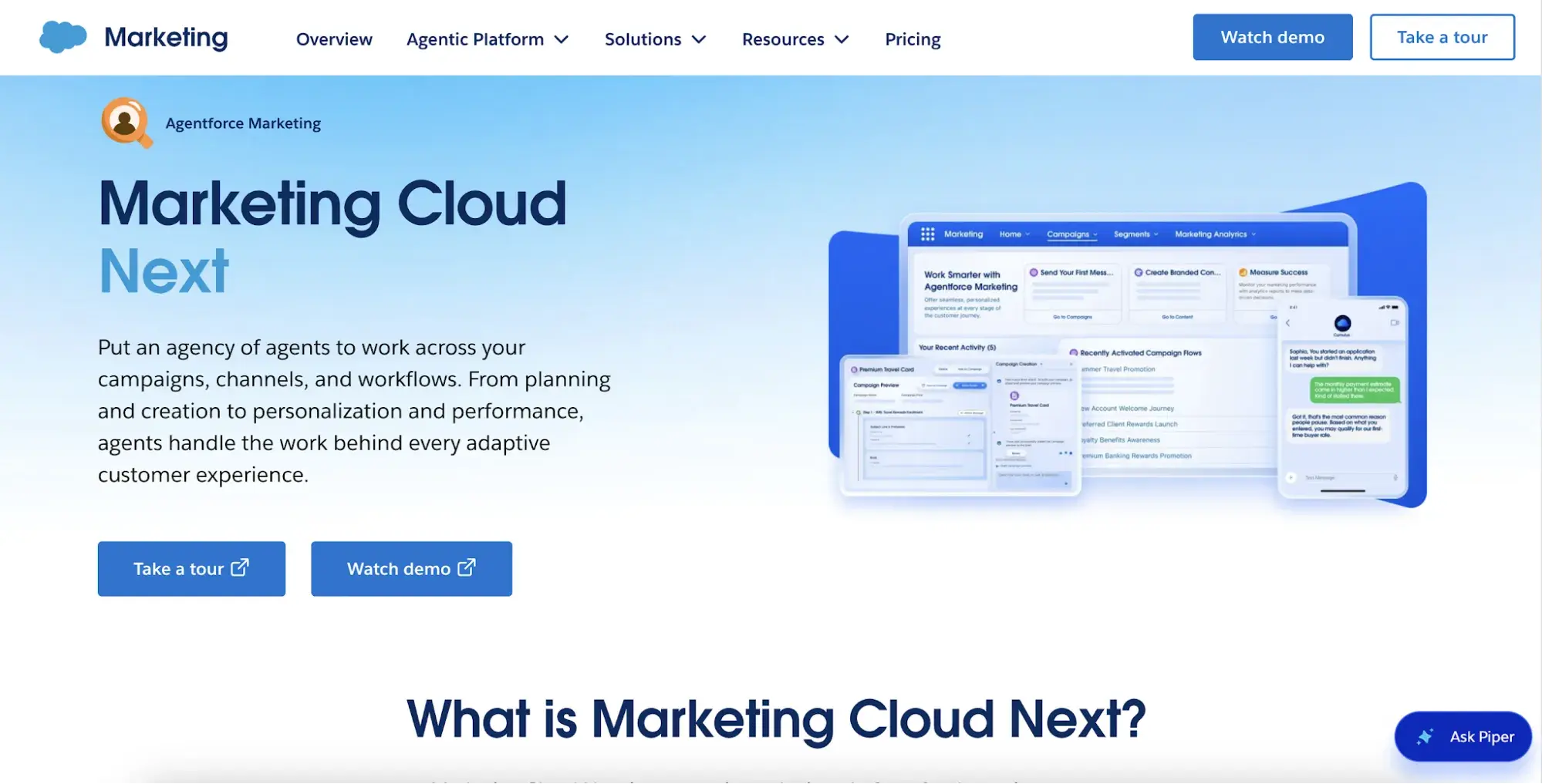
For businesses deeply entrenched in the Salesforce ecosystem, Salesforce Marketing Cloud Next represents Salesforce’s strategic direction for advanced marketing automation. Built natively on Data Cloud, it aims to overcome the integration challenges inherent in Pardot.
Key Marketing Cloud Next Features:
- Native Data Cloud Integration: Operates directly within Salesforce’s data infrastructure, reducing the need for complex synchronization.
- Enterprise-Grade Capabilities: Designed to handle large-scale, complex marketing initiatives for major corporations.
- Comprehensive Marketing Suite: Offers a broad range of tools for customer journey management, content personalization, and advertising.
Market Dynamics: While Salesforce is directing Pardot customers toward Marketing Cloud Next, Ryan notes that this often triggers a broader technology review. "Many customers use the opportunity to evaluate their entire tech stack," he explained. "While some adopt Marketing Cloud Next, the most frequent destination remains HubSpot."
User Feedback: Reviews for Salesforce’s marketing solutions, including Marketing Cloud Next (sometimes referred to under broader umbrellas like Agentforce Marketing), show a divergence of opinions on usability. While some find it easy to use, others cite a steep learning curve and inherent complexity as drawbacks.
Pricing: The Growth Edition of Marketing Cloud Next starts at $1,500 per organization per month, positioning it as a premium solution for large enterprises.
Adobe Marketo Engage
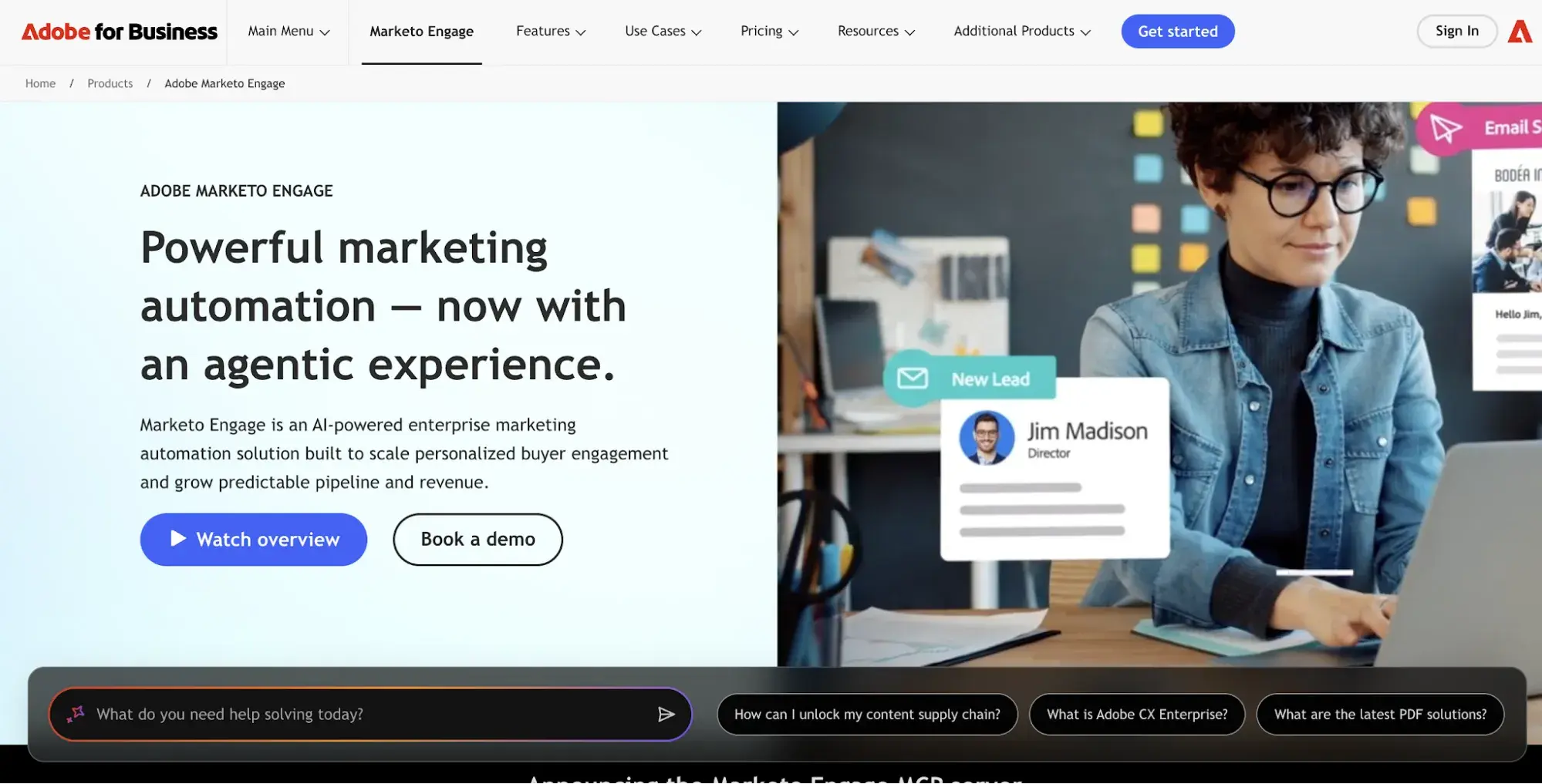
Adobe Marketo Engage is a powerful enterprise-level marketing automation platform suitable for organizations that have outgrown Pardot’s capabilities and possess the resources to manage its complexity.
Marketo Key Features:
- Robust Automation: Offers sophisticated campaign management, lead nurturing, and scoring capabilities.
- AI-Powered Features: Includes an "conversational interface" that allows teams to write and test code directly within the platform, streamlining development.
- Extensive Integrations: Connects with a wide array of marketing and sales tools.
User Feedback: Marketo is praised for its automation capabilities and AI-driven features. However, users frequently mention a significant learning curve, unintuitive design elements, and overall complexity as areas for improvement.
Pricing: Adobe does not publicly disclose pricing for Marketo Engage, requiring interested businesses to contact sales for a customized quote. This often indicates a premium pricing structure geared towards larger enterprises.
Analyst Perspective: "Marketo is a powerhouse for complex B2B marketing operations," noted David Lee, a marketing technology consultant. "Its depth of features can be a significant advantage, but it demands a dedicated team and substantial investment in training and implementation."
ActiveCampaign
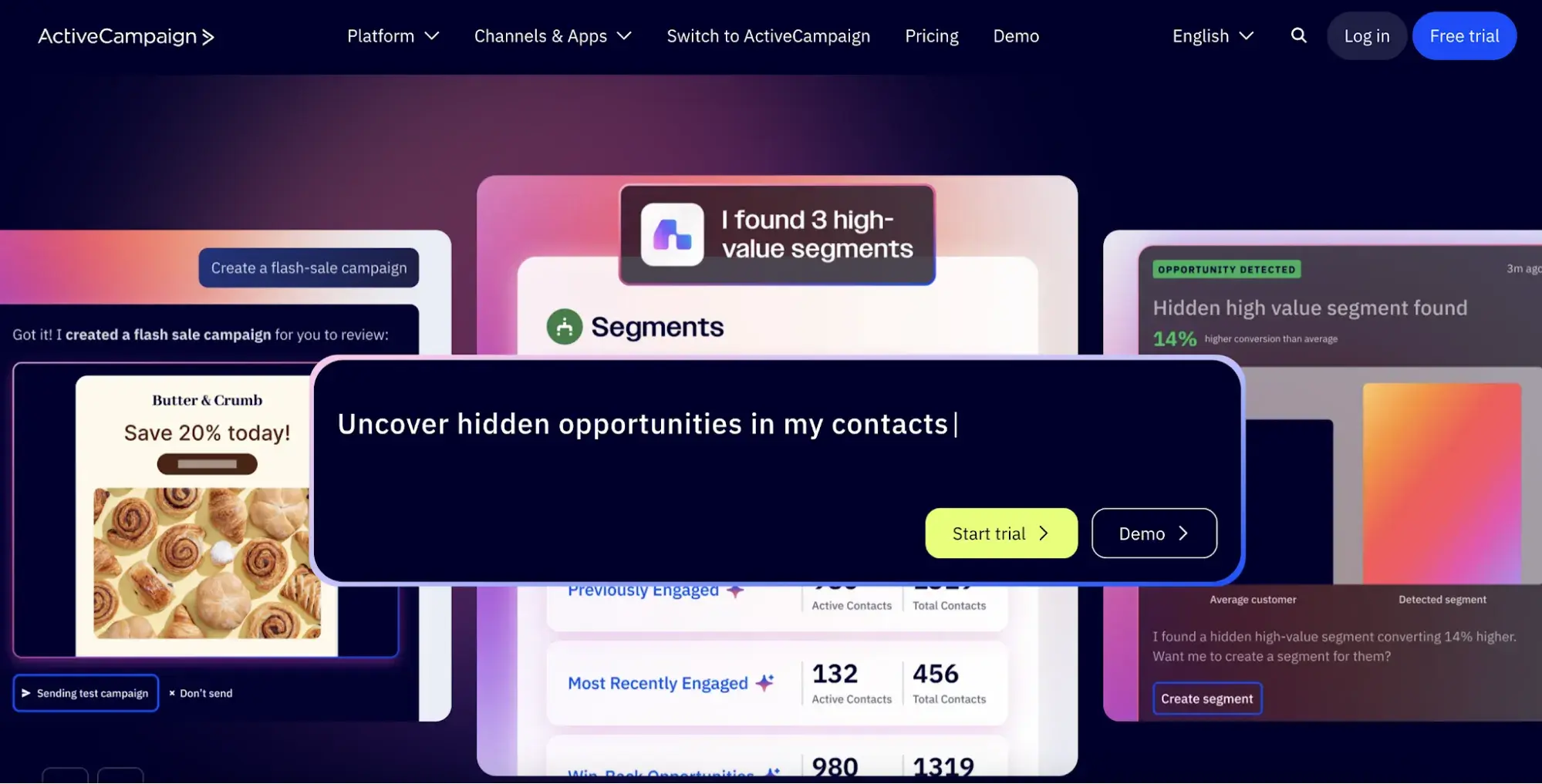
ActiveCampaign positions itself as an AI-forward marketing automation platform that also includes a lightweight CRM. It appeals to teams seeking a blend of advanced automation and a more consolidated user experience.
ActiveCampaign Key Features:
- Multi-Channel Automation: Supports automation across email, SMS, and other channels.
- Native Salesforce Sync: Offers a direct, two-way integration with Salesforce for seamless data flow.
- AI-Driven Insights: Features "active intelligence" that allows users to interact with AI using natural language prompts.
User Feedback: Ease of use and automation capabilities are frequently cited as strengths. However, recurring complaints revolve around the learning curve and limitations in reporting features, which can hinder comprehensive analysis.
Pricing: ActiveCampaign’s plans begin at $15 per month, scaling rapidly based on contact volume. This tiered pricing model requires careful consideration for businesses anticipating significant growth.
Zoho Marketing Automation
Zoho Marketing Automation offers a budget-friendly alternative, natively syncing with Zoho’s own CRM and providing a suite of tools for lead scoring, campaign generation, and personalized outreach.
Key Zoho Marketing Automation Features:
- Native Zoho CRM Integration: Seamlessly integrates with Zoho’s customer relationship management system.
- Lead Scoring and Campaign Management: Utilizes customer data to prioritize leads and automate campaign execution.
- Personalized Outreach: Enables tailored communication based on customer behavior and data.
User Feedback: While users appreciate the marketing automation functionalities, some reviews mention challenges with customer service responsiveness and limitations in reporting capabilities.
Pricing: Plans start at $19 per month for 1,000 contacts, making it an attractive option for small to medium-sized businesses with straightforward data requirements and budget constraints.
Strategic Migration: Navigating the Transition
Migrating from a platform like Pardot requires careful planning to minimize risk and ensure a smooth transition. Pardot expert Tom Ryan emphasizes the importance of several key steps:
- Data Mapping: Thoroughly understanding how data is structured in Pardot and how it will be translated into the new platform is critical. This includes mapping fields, custom objects, and relationships.
- Workflow Translation: Recreating automated workflows, email templates, and campaign logic in the new system requires a deep understanding of both platforms’ functionalities. "Underestimating the translation factor is one of the most common mistakes," Ryan warned. "A Salesforce campaign, for instance, is a fundamentally different object than a HubSpot campaign, necessitating careful remapping and consideration of existing hierarchies."
- Quality Assurance (QA): Rigorous testing of all migrated data, workflows, and integrations is essential to identify and rectify any errors before a full rollout.
- Phased Rollout: Implementing the new platform in stages, rather than a complete "big bang" approach, allows for iterative learning and adjustment, reducing the impact of any unforeseen issues.
Ryan categorizes migration priorities into three essential buckets:
- Discovery and Planning: This foundational phase involves understanding current processes, defining future state requirements, and establishing clear migration objectives.
- Configuration and Implementation: This stage focuses on setting up the new platform, migrating data, and rebuilding automated workflows and integrations.
- Training and Adoption: Ensuring that the marketing team is adequately trained on the new platform and that adoption is widespread is crucial for long-term success.
With meticulous planning and a strategic approach, a Pardot migration can often be completed in as little as one month, although more complex implementations may take two to three months.
Addressing Common Migration Concerns
Several recurring questions arise when businesses consider switching from Pardot:
- Is Pardot part of Salesforce? Yes, Pardot is a product within the Salesforce ecosystem, rebranded as Marketing Cloud Account Engagement in 2022.
- How long does a typical Pardot migration take? While rapid migrations can be completed in about a month, Tom Ryan notes that a typical migration usually spans two to three months.
- Will lead scoring and ABM models be lost? Yes, these models generally need to be rebuilt in the new platform. Pardot’s out-of-the-box scoring models do not port directly. However, existing scores and grades can be retained for segmentation purposes, and this presents an opportunity to refine and improve these models based on learnings from Pardot. Similarly, Engagement Studios and ABM automations require re-creation. It is vital to track prospect progress through journeys to ensure continuity.
- Can Salesforce be retained for sales while switching off Pardot? Absolutely. Pardot is a distinct product offering within Salesforce. Businesses can maintain their Salesforce CRM and Sales Cloud subscriptions while opting for a separate marketing automation solution.
- How to budget for the first year on a new platform? Budget for the platform’s list price based on current usage (seats and contacts), factoring in projected growth. Also, account for potential onboarding and implementation fees, which some platforms mandate in the first year.
The Future of Marketing Automation
The marketing technology landscape is in constant flux, driven by technological advancements and evolving customer expectations. For businesses that find their current tools hindering rather than helping, a strategic shift is not just beneficial but essential. The alternatives to Pardot offer a diverse range of capabilities, from user-friendly, all-in-one solutions to robust enterprise-grade platforms. By carefully assessing their needs, budget, and long-term goals, organizations can identify and implement a marketing automation solution that empowers them to navigate the complexities of modern marketing and drive sustainable growth.
For businesses seeking a comprehensive and user-friendly solution that bridges marketing and sales, HubSpot Marketing Hub continues to be a leading contender, offering powerful automation and reporting capabilities designed to scale with businesses of all sizes.
About the Author