The marketing industry is experiencing a period of unprecedented transformation, with a staggering 70% of marketers reporting that the past three years have brought more change than the preceding half-century. This seismic shift necessitates a corresponding evolution in the tools that power marketing operations, particularly marketing automation platforms. Pardot, a long-standing player in the B2B marketing technology space, is facing increasing scrutiny and departures from its user base due to a perceived stagnation in development, prompting businesses to actively seek and evaluate alternative solutions.
This evolving market dynamic raises critical questions: Why are businesses migrating away from Pardot? Which platforms are emerging as preferred replacements? And what expert advice can guide successful transitions? This comprehensive analysis delves into these issues, providing insights into the current challenges and future directions of B2B marketing automation.
Pardot’s Evolution and the Catalyst for Change
Pardot, rebranded in 2022 as Marketing Cloud Account Engagement, has been a core component of Salesforce’s B2B marketing offerings. However, according to industry experts like Tom Ryan, founder of MarCloud and a seasoned Pardot consultant since 2016, a palpable sense of impending discontinuation is driving user migration. Ryan observes a distinct lack of new development on the platform, coupled with a clearly defined migration path to newer Salesforce products. "There’s no development on the platform," Ryan states. "There’s a clear migration path. To me, it feels like it’s just a case of ‘when,’ not ‘if.’" This sentiment suggests that users are anticipating the platform’s eventual sunsetting, prompting proactive strategic planning.

Beyond the apprehension of platform obsolescence, persistent pain points within Pardot’s functionality are accelerating this exodus. Ryan highlights revenue attribution and reporting as significant areas of concern. "Revenue attribution is [incredibly difficult] if you do not know how to do it," he explains, citing the complexities of wrestling with the Pardot-Salesforce synchronization. Reporting also presents a considerable hurdle, with the platform offering limited customization options. "The reports are not customizable in Pardot, and therefore, people cannot get the reports they need. Clear reporting in general is very difficult for people to achieve, without consultant-level knowledge," Ryan elaborates. These functional limitations hinder businesses’ ability to gain actionable insights and measure marketing ROI effectively, pushing them to seek more agile and insightful solutions.
The Exodus and Emerging Alternatives
The primary destination for businesses migrating from Pardot, according to Ryan’s extensive experience, is HubSpot. This preference is attributed to the architectural similarities between Pardot and HubSpot, particularly through their respective connectors. "Pardot to HubSpot makes the most sense," Ryan notes. "There’s a lot of architectural similarities between Pardot and HubSpot via the connector. So there’s a familiarity there, and you get so much more." This suggests that the transition is not merely a functional upgrade but also offers enhanced capabilities and a more intuitive user experience.
Evaluating Pardot Alternatives for B2B Teams
When evaluating marketing automation platforms as alternatives to Pardot, several key criteria emerge as paramount for B2B organizations. A robust CRM integration is fundamental. Platforms like HubSpot and Zoho, which offer comprehensive CRM capabilities, are particularly attractive to businesses looking to move away from Salesforce entirely. For those intending to remain within the Salesforce ecosystem, Salesforce Marketing Cloud Next presents a natively integrated solution built on Salesforce’s Data Cloud, thus eliminating the data silo issues inherent in Pardot’s architecture. Marketo and ActiveCampaign also offer native two-way Salesforce synchronization, catering to teams that wish to maintain their existing CRM infrastructure while upgrading their marketing automation capabilities. ActiveCampaign further distinguishes itself by offering its own lightweight CRM, providing an option for consolidation.

B2B teams should consider the following criteria when assessing Pardot alternatives:
- CRM Integration: The seamlessness and depth of integration with existing CRM systems are crucial for data consistency and workflow efficiency.
- Automation Capabilities: The sophistication and flexibility of automation workflows, including multi-step nurturing, behavioral triggers, and AI-driven personalization, are key differentiators.
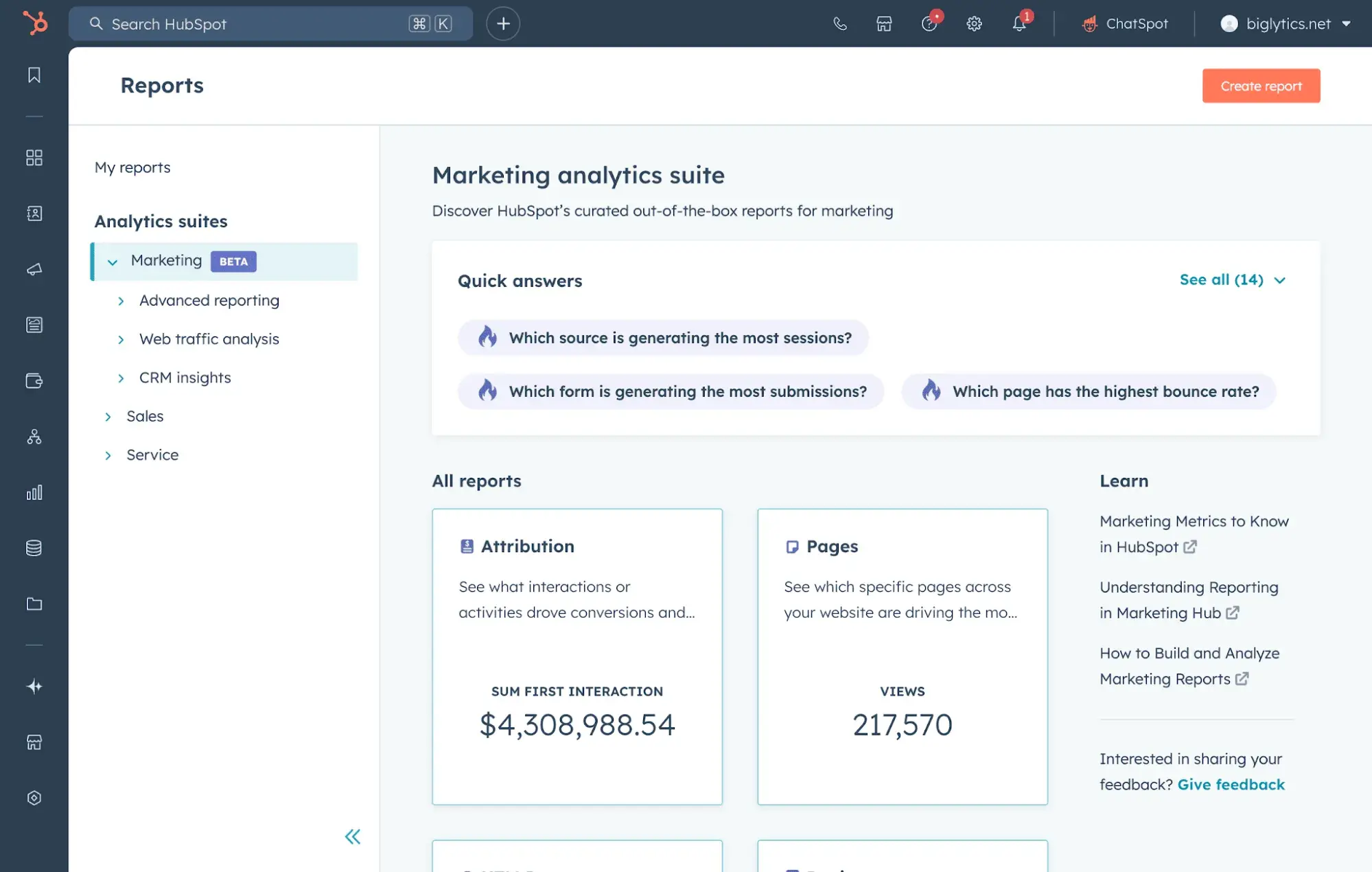
- Reporting and Analytics: The ability to generate customizable, insightful reports on campaign performance, revenue attribution, and overall marketing ROI is essential for strategic decision-making.
- User Experience and Ease of Use: An intuitive interface and straightforward functionality can significantly reduce the learning curve and improve adoption rates.
- Scalability and Future-Proofing: The platform should be capable of scaling with business growth and adapting to future marketing trends and technological advancements.
- Pricing and Total Cost of Ownership: Understanding the pricing structure, including any hidden fees or mandatory add-ons, is vital for budget planning.
A Snapshot of Leading Pardot Alternatives
The market offers a diverse range of marketing automation platforms, each with its unique strengths and ideal use cases.
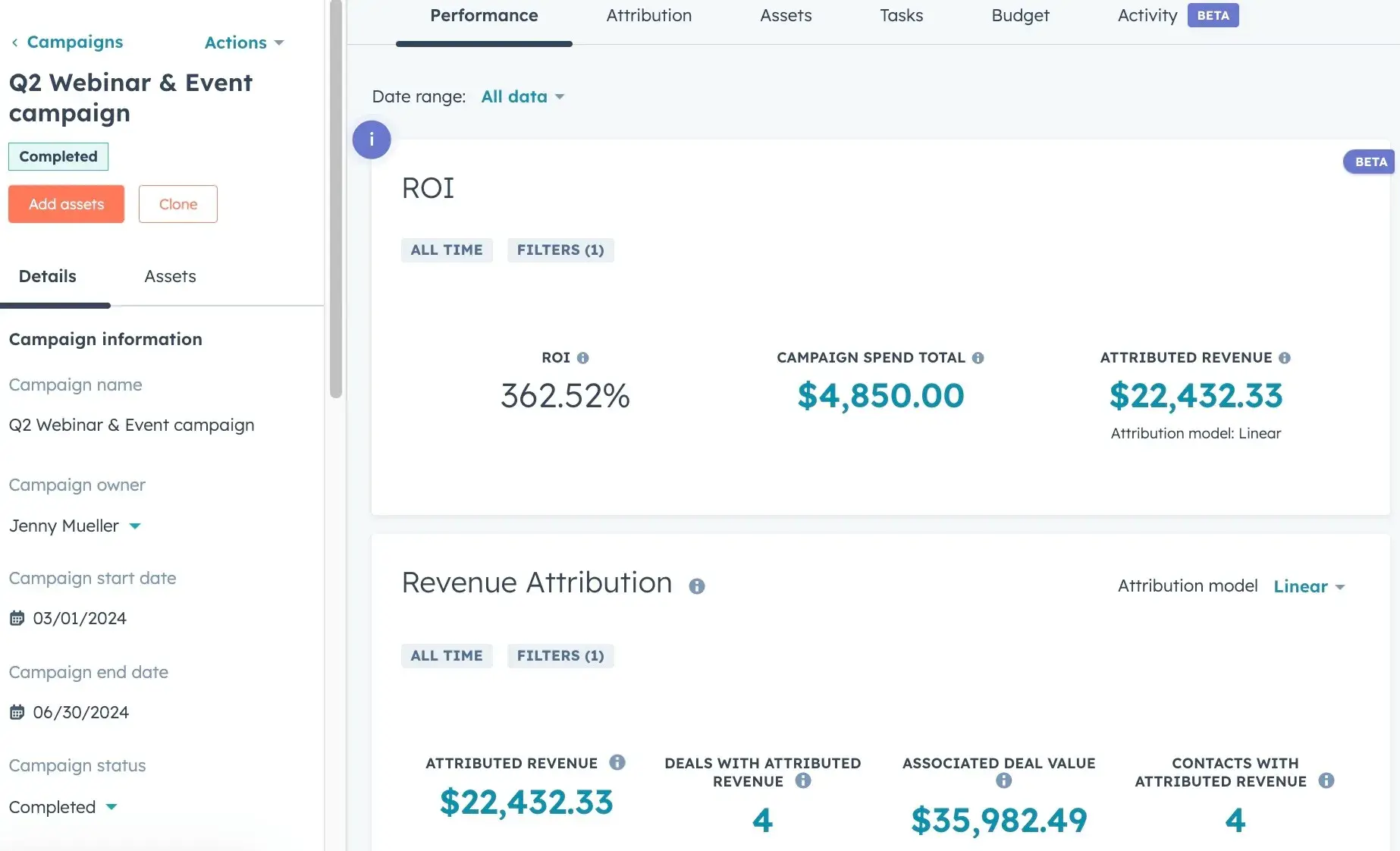
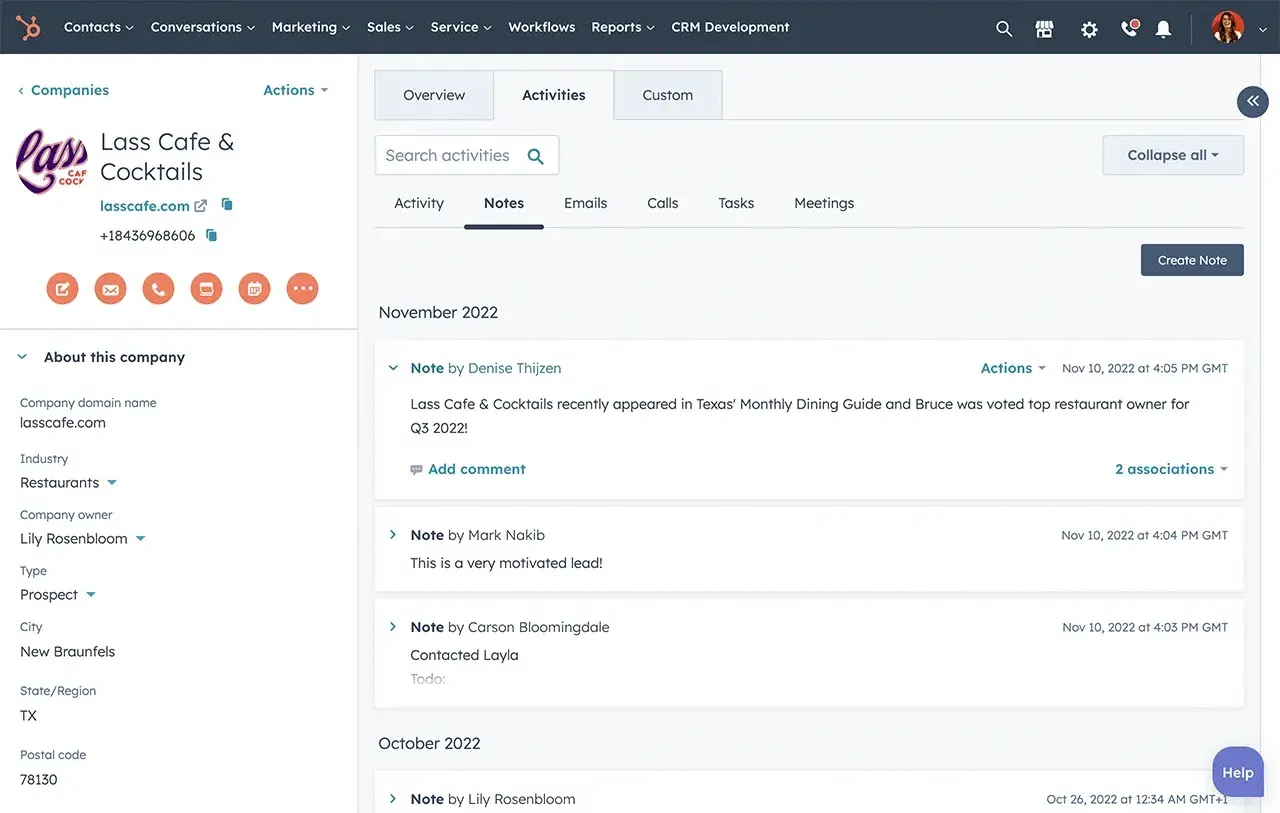
1. HubSpot Marketing Automation
HubSpot Marketing Automation is designed to facilitate the creation of multi-step B2B nurture workflows triggered by various data points, including behavior, lifecycle stage, or CRM data. It champions a unified data approach, integrating marketing automation with its Smart CRM, thereby addressing the fragmentation and usability challenges often associated with Pardot. Businesses can either replace their existing Salesforce CRM with HubSpot CRM or leverage the native two-way sync to maintain data alignment across both platforms.
Key HubSpot Features:
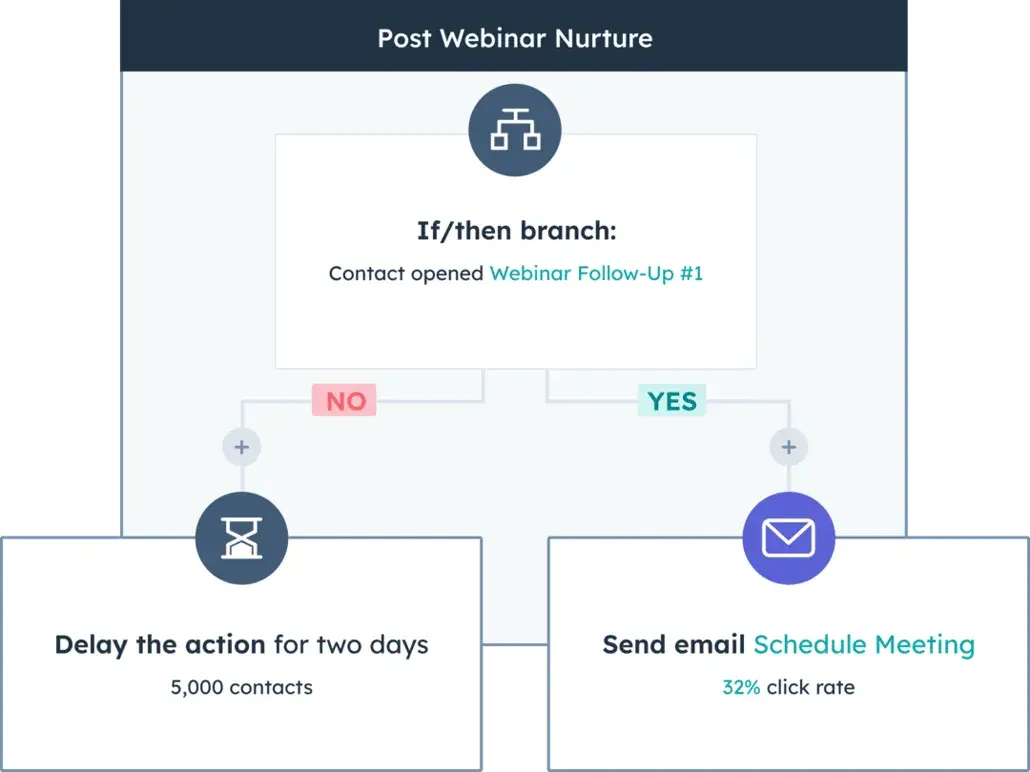
- Workflow Builder: Intuitive drag-and-drop interface for designing complex automation sequences.
- Lead Scoring & Grading: Dynamic scoring and grading models to identify and prioritize high-intent leads.
- Email Marketing: Advanced email campaign creation with personalization and A/B testing capabilities.
- Campaign Management: Comprehensive tools for planning, executing, and measuring the ROI of marketing campaigns.
- Contact Management: A robust CRM system for managing customer relationships and data.
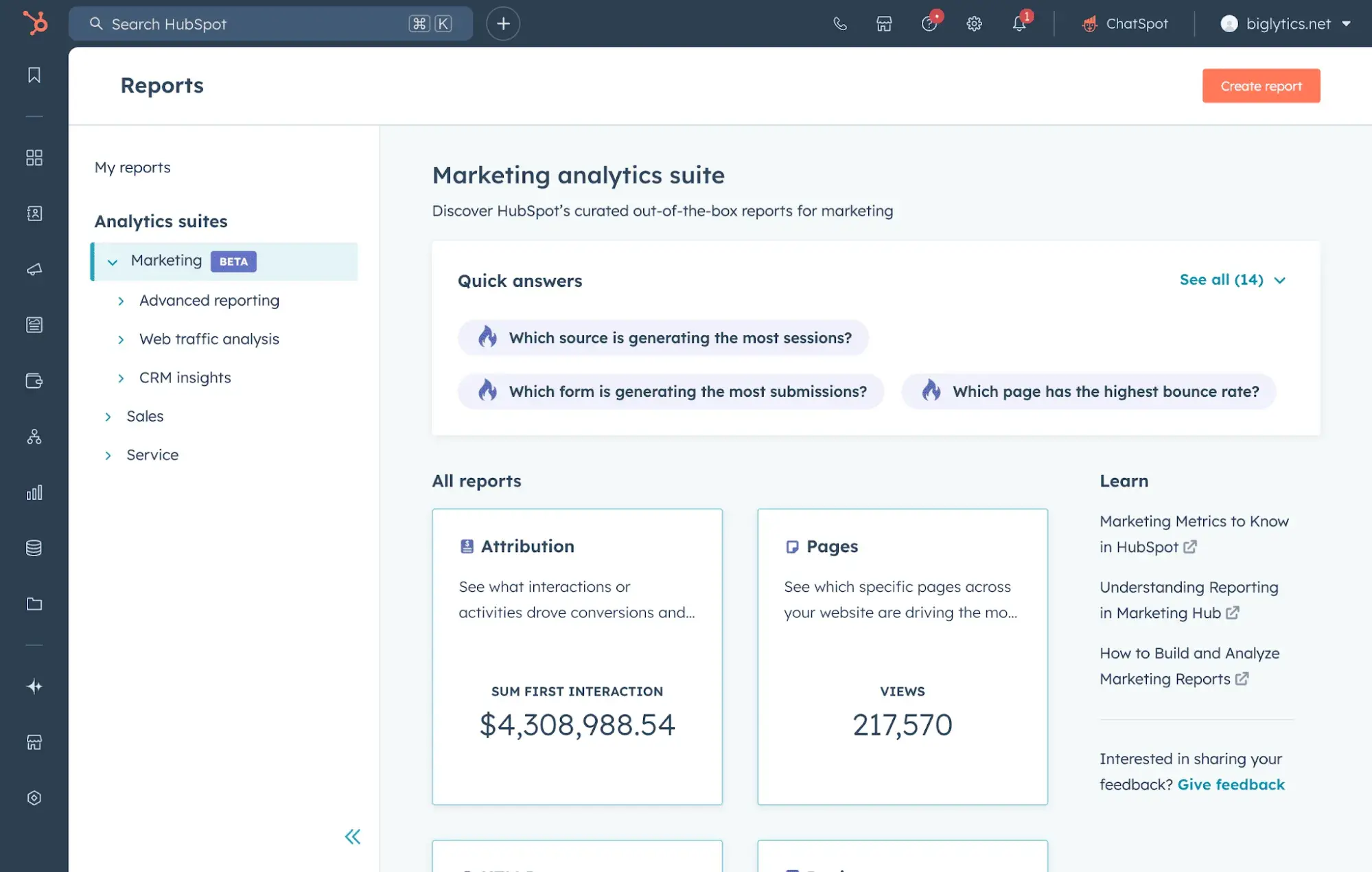
- Reporting & Analytics: Customizable dashboards and reports for deep insights into marketing performance.
Reviews: HubSpot Marketing Hub consistently receives high marks for its ease of use, email marketing capabilities, and automation features. While some users note a learning curve and occasional feature gaps, its overall user experience and integrated platform approach are frequently lauded.
Pricing: HubSpot offers a free plan for up to two users, with paid plans starting at $10 per month per seat, making it an accessible option for businesses of all sizes.
Expert Insight: "HubSpot is famous for its user-friendly, modern interface and its all-in-one platform that syncs across marketing, sales, and CRM. It’s built for marketers, with all the marketing automation tools needed to test and scale. I love the drag-and-drop email and campaign builders that allow you to iterate and execute without waiting on developers."
2. Salesforce Marketing Cloud Next
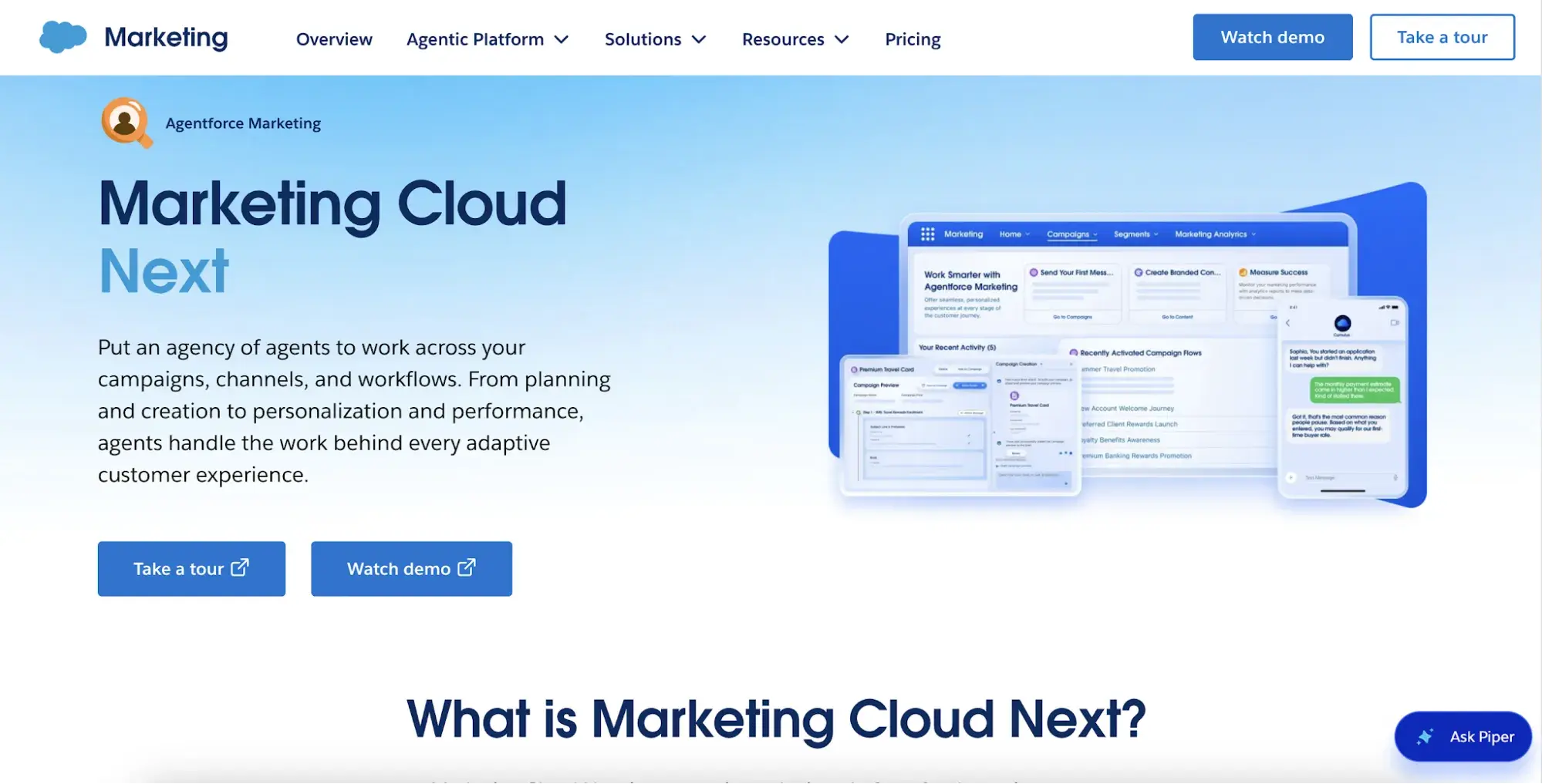
Salesforce Marketing Cloud Next is the successor platform that Salesforce is actively promoting to its Pardot customer base. Built natively on Salesforce’s Data Cloud, it offers a more integrated experience compared to Pardot’s separate system architecture. However, Marketing Cloud Next is a substantial and costly enterprise-level solution, best suited for organizations already deeply embedded within the Salesforce ecosystem and seeking to maintain that integration.
Key Marketing Cloud Next Features:
- Data Cloud Integration: Leverages Salesforce’s Data Cloud for a unified customer data view.
- Advanced Segmentation: Sophisticated tools for segmenting audiences based on complex data criteria.
- Omnichannel Engagement: Capabilities for orchestrating customer journeys across various channels.
- AI-Powered Insights: Utilizes AI to personalize messaging and optimize campaign performance.
Expert Reaction: "Salesforce is directing [customers] to their new platform called Marketing Cloud Next… but essentially what this is doing is prompting a wider tech review," Ryan observes. "So it isn’t necessarily that people are blindly going towards Marketing Cloud Next. Quite a lot of customers are going. The most common direction is HubSpot." This suggests that while Salesforce is guiding users, many are using the transition as an opportunity to conduct a broader evaluation of their technology stack, often leading them to HubSpot.
Reviews: Reviews for Agentforce Marketing (which encompasses Marketing Cloud Next) show divided opinions on usability, with some highlighting its ease of use while others point to complexity and a steep learning curve.
Pricing: The Growth Edition pricing for Marketing Cloud Next starts at $1,500 per organization per month, positioning it as a premium enterprise solution.
Best For: Large enterprises with significant investments in other Salesforce products and a commitment to remaining within the Salesforce ecosystem.
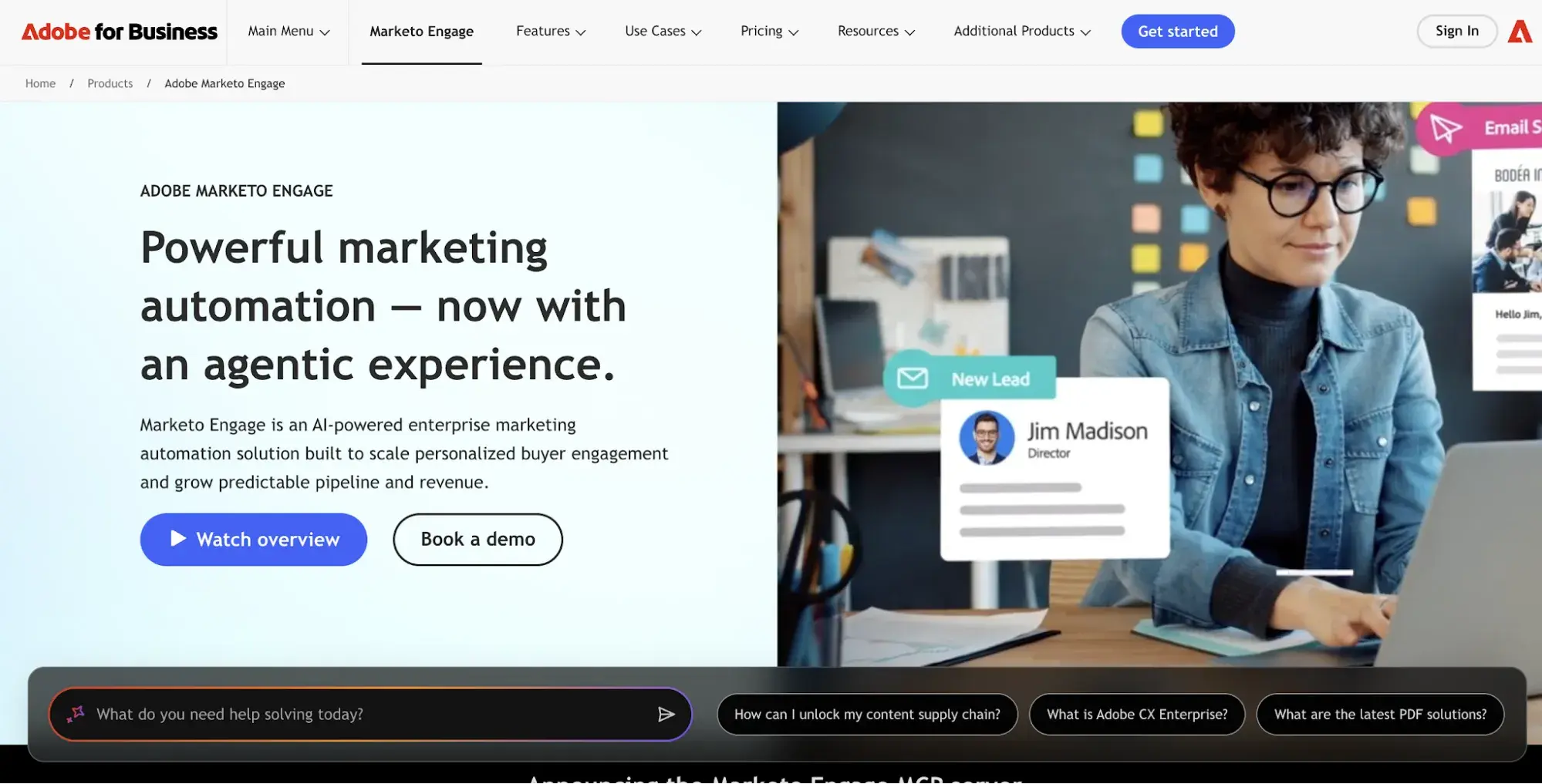
3. Adobe Marketo Engage
Adobe Marketo Engage is a powerful enterprise-grade marketing automation platform suitable for businesses that have outgrown Pardot’s capabilities. It is known for its comprehensive feature set but also for its complexity, requiring a significant investment in time and resources for implementation and customization.
Marketo Key Features:
- Advanced Automation: Robust capabilities for building complex marketing workflows and personalization.
- Account-Based Marketing (ABM) Tools: Specialized features for targeting and engaging specific accounts.
- Lead Management: Sophisticated lead scoring, routing, and nurturing functionalities.
- Analytics and Reporting: Deep insights into campaign performance and customer engagement.
Reviews: Marketo is praised for its automation capabilities and ease of use in certain aspects. However, users frequently cite a challenging learning curve, unintuitive design, and overall complexity as drawbacks.
Pricing: Adobe does not publicly disclose Marketo pricing, requiring interested businesses to contact them for a customized quote.
Expert Insight: "Marketo’s strength is its AI ‘conversational interface’ that allows teams to write and test code directly within the platform without requiring developer handoffs."
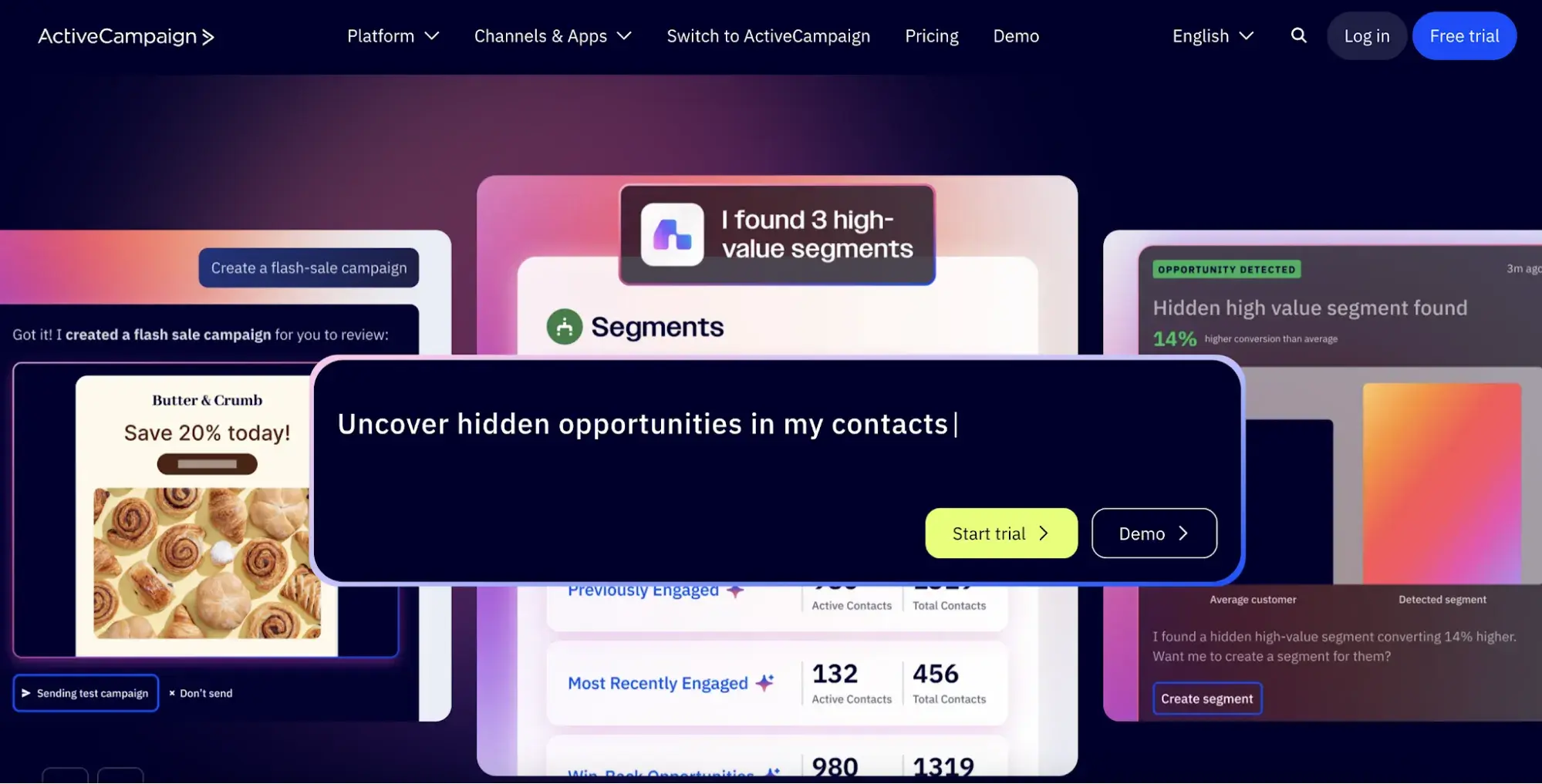
4. ActiveCampaign
ActiveCampaign positions itself as an AI-forward marketing automation platform that also includes a lightweight CRM. It offers multi-channel automation and a native two-way Salesforce sync, making it a viable option for smaller teams seeking a simpler alternative to Pardot’s complexity.
Active Campaign Key Features:
- AI-Powered Automation: Utilizes AI for intelligent automation and personalization.
- Multi-Channel Engagement: Supports automation across email, SMS, and other channels.
- Integrated CRM: A built-in CRM for managing customer relationships.
- Salesforce Integration: Native two-way sync for seamless data flow.
Reviews: Users commend ActiveCampaign for its ease of use and automation features. However, common complaints revolve around the learning curve and, notably, weak reporting capabilities, with limited reporting features being a frequently cited pain point.
Pricing: ActiveCampaign plans begin at $15 per month, scaling rapidly with contact volume, which can be a significant consideration for growing businesses.
Expert Insight: "The ‘active intelligence’ feature that lets users use spoken language to prompt the AI on any feature, which is a huge shift from Pardot’s code-heavy design."
5. Zoho Marketing Automation
Zoho Marketing Automation integrates natively with Zoho’s CRM and offers cross-channel marketing automation. It leverages customer data for lead scoring, campaign generation, and personalized outreach. As a more budget-friendly option, Zoho can be a suitable choice for small businesses with straightforward data requirements.
Key Zoho Marketing Automation Features:
- Lead Nurturing: Tools for building automated lead nurturing campaigns.
- Customer Journey Mapping: Visual tools for mapping and optimizing customer journeys.
- Campaign Management: Features for creating and managing various marketing campaigns.
- Data Integration: Seamless integration with Zoho’s CRM and other Zoho applications.
Reviews: While users appreciate Zoho’s marketing automation solutions, reports of issues with customer service and limitations in reporting capabilities persist.
Pricing: Zoho Marketing Automation plans start at $19 per month for 1,000 contacts, offering an affordable entry point.
Expert Insight: "Zoho offers a budget-friendly option for companies ready to move away from Salesforce entirely, whereas many customers leaving Pardot choose to retain Salesforce as their CRM."
Navigating the Migration Process: Minimizing Risk and Maximizing Success
A smooth and low-risk migration from Pardot requires meticulous planning, encompassing data mapping, workflow translation, quality assurance, and a phased rollout strategy. Tom Ryan emphasizes that underestimating the translation aspect of migration is a common pitfall. "A Salesforce campaign is a completely different object from a HubSpot campaign… so there’s a translation there," he explains.
Key considerations during migration include:
- Campaign Attribution Modeling: Understanding how campaign attribution is handled in the new platform and whether existing Salesforce campaign hierarchies are worth preserving or re-architecting. Questions arise such as: "Do we do it in HubSpot? Do we do it in Salesforce? Do we do it in both? How do we want to continue operating?"
- Data Mapping and Transformation: Ensuring all relevant data fields are accurately mapped and transformed for the new system.
- Workflow Rebuilding: Automations and engagement programs built in Pardot will need to be reconfigured in the new platform.
- Lead Scoring and ABM Models: These models are proprietary and cannot be directly ported. They will need to be rebuilt, offering an opportunity to refine and improve them based on learnings from Pardot. Ryan advises, "Scores and grades can still be retained when migrating to a new platform, for segmentation reasons. Treat it as an opportunity to rebuild the model with the learns gained from Pardot."
- Phased Rollout: Implementing the new platform in stages to identify and address issues before a full transition.
Ryan categorizes migration priorities into three key areas:
- Discovery and Planning: Thoroughly assessing current workflows, data structures, and business objectives.
- Data Migration and Integration: Ensuring accurate and complete transfer of data and seamless integration with other essential systems.
- Training and Adoption: Equipping the team with the knowledge and skills to effectively utilize the new platform.
With diligent planning and execution, Pardot migrations can be completed in as little as one month, though a typical timeline ranges from two to three months.
Addressing Common Migration Concerns
Several frequently asked questions arise during the Pardot migration process:
- Is Pardot part of Salesforce? Yes, Pardot is an integral part of Salesforce, now known as Marketing Cloud Account Engagement.
- How long does a typical Pardot migration take? While rapid migrations can be completed in one month, a typical transition period is generally two to three months.
- Will lead scoring and ABM models be lost? Yes, these models will need to be rebuilt, as they are not directly transferable. However, existing scores and grades can be retained for segmentation purposes. This presents a valuable opportunity to enhance these models. For ABM models, careful tracking of prospect progression through journeys is crucial to ensure a seamless continuation in the new system.
- Can Salesforce be retained for sales while switching off Pardot? Absolutely. Pardot is a distinct component within Salesforce, allowing businesses to maintain their CRM and Sales Cloud functionalities while adopting a separate marketing automation tool.
- What is the best way to budget for the first year on a new platform? Budgeting should account for the platform’s list price based on current usage, projected growth in users and contacts, and any mandatory onboarding or implementation fees. Tier escalations are often the most significant cost drivers.
The Future of B2B Marketing Automation
The current marketing technology landscape demands agility and continuous innovation. As 70% of marketers attest to the rapid pace of change, businesses must align their tools with their evolving strategic needs. The alternatives to Pardot offer a spectrum of solutions, from user-friendly, all-in-one platforms to robust enterprise-grade systems. Choosing the right platform hinges on a thorough assessment of an organization’s budget, current operational requirements, projected growth trajectory, and specific feature needs.
For businesses seeking a comprehensive solution that supports advanced marketing automation and reporting, HubSpot Marketing Hub stands out as a compelling option, catering to organizations of all sizes. The opportunity to transition to a more modern, efficient, and insightful marketing automation platform is now, empowering businesses to drive greater impact and achieve their strategic objectives in an increasingly dynamic market.
About the Author